
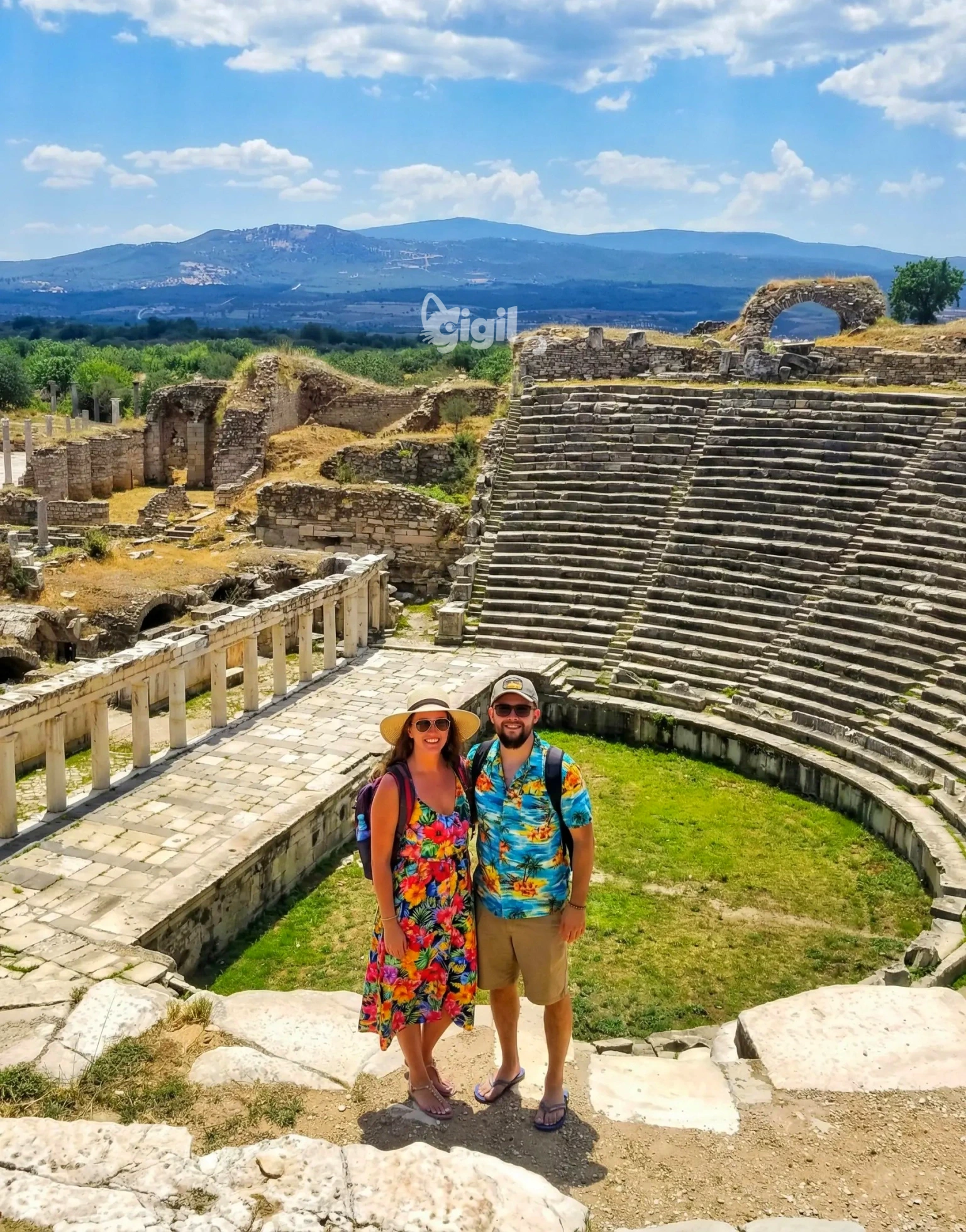
Ephesus and Aphrodisias Heritage Tour

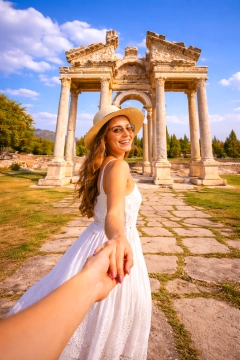
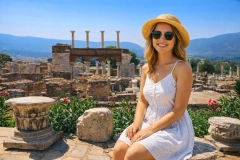
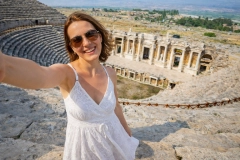
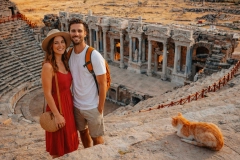
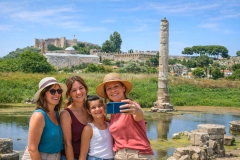
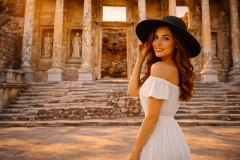
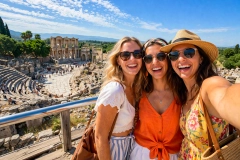
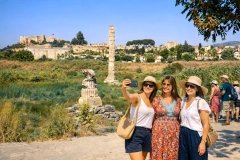
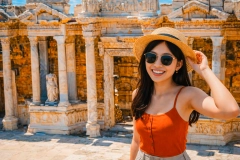
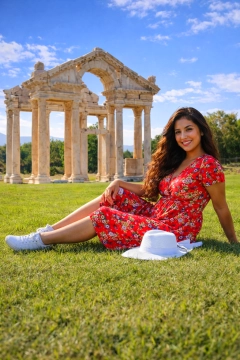
Explore Ephesus Ruins, House of Virgin Mary, Temple of Artemis, Ephesus Archaeological Museum, Aphrodisias Ancient City, and Aphrodisias Archaeological Museum on this 2 days tour from Izmir.
Highlights
- Ephesus Ancient City, one of the Mediterranean's most complete Roman archaeological urban plans
- House of Virgin Mary, a globally visited pilgrimage sanctuary near Ephesus
- Temple of Artemis area, one of the iconic sacred references of the ancient world
- Ephesus Museum, essential collections linked to Selcuk-Ephesus excavations
- Aphrodisias Ancient City, one of antiquity's most celebrated sculpture and arts centers
- Aphrodisias Museum, rich Roman-era statuary collections from onsite excavations
Ephesus and Aphrodisias Heritage Tour
Explore Ephesus Ruins, House of Virgin Mary, Temple of Artemis, Ephesus Archaeological Museum, Aphrodisias Ancient City, and Aphrodisias Archaeological Museum on this 2 days tour from Izmir.
Itinerary
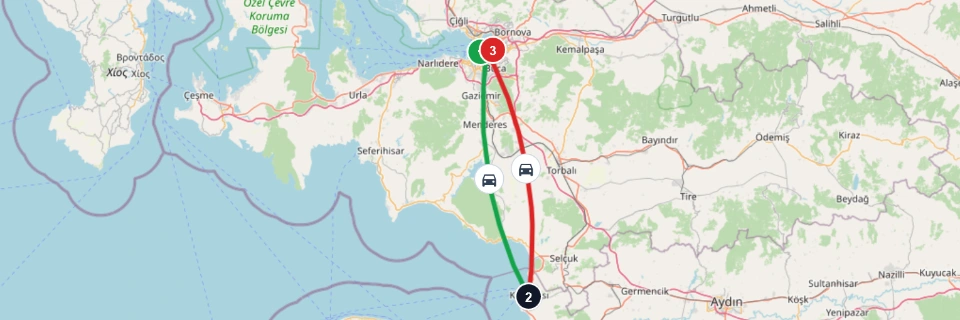
This Ephesus and Aphrodisias Heritage Tour combines two major ancient destinations of western Anatolia in a compact two day itinerary. On the first day, you visit Ephesus Ruins from Izmir and continue to the House of Virgin Mary for a meaningful cultural and spiritual stop. The route then includes the Temple of Artemis area and the Ephesus Archaeological Museum to complete the historical context with excavated artifacts. Stops are arranged in a clear order so the historical timeline is easy to follow. This first section provides a strong Ephesus foundation before moving to Aphrodisias.
On day two, the itinerary focuses on Aydin and the city associated with Aphrodite. You explore Aphrodisias Ancient City, known for its sculpture school and remarkable urban remains. The route then continues to the Aphrodisias Archaeological Museum, where important findings from the site are displayed in detail. This sequence helps connect monument level observation with museum interpretation. The day remains efficient while still content rich and balanced.
As a 2 days Ephesus and Aphrodisias tour from Izmir, this package is ideal for short cultural breaks and weekend travel. All listed attractions are directly tied to the official itinerary, so expectations remain transparent from booking to return. The program avoids unrelated detours and keeps full focus on announced archaeological highlights. Timing is optimized for meaningful visits and smooth transfers. For travelers seeking a dependable House of Virgin Mary and Artemis Temple plus Aphrodisias route, this option is a strong choice.
-
Day 1
Ephesus and Selcuk Heritage Route
L
D
Pickup in Izmir and departure for Ephesus-Selcuk route.
Day one starts with private transfer from Izmir toward Ephesus region.
Transfer to Ephesus AreaRoad transfer from Izmir to Selcuk-Ephesus zone.
Transfer reaches Ephesus archaeological gate area.
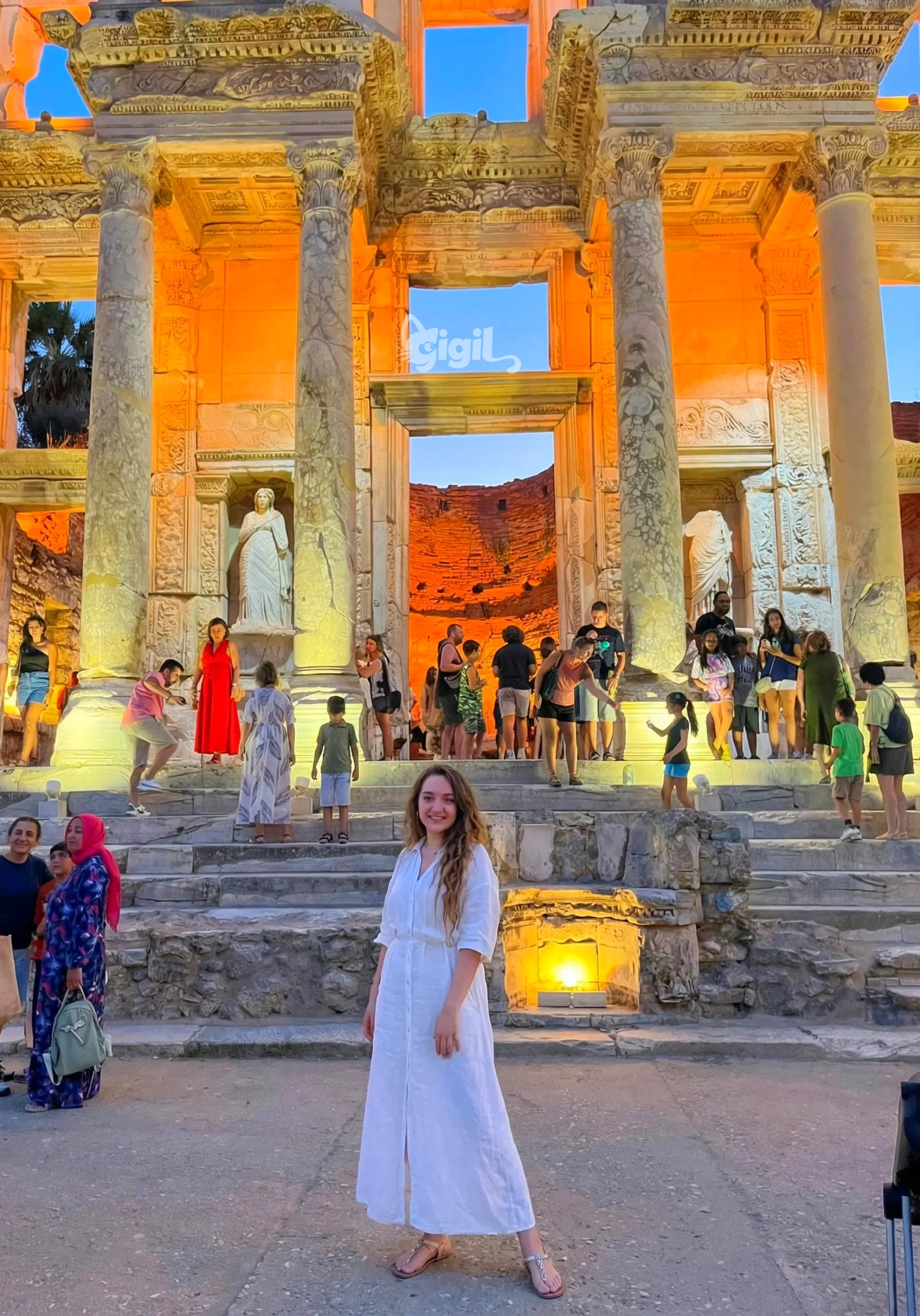
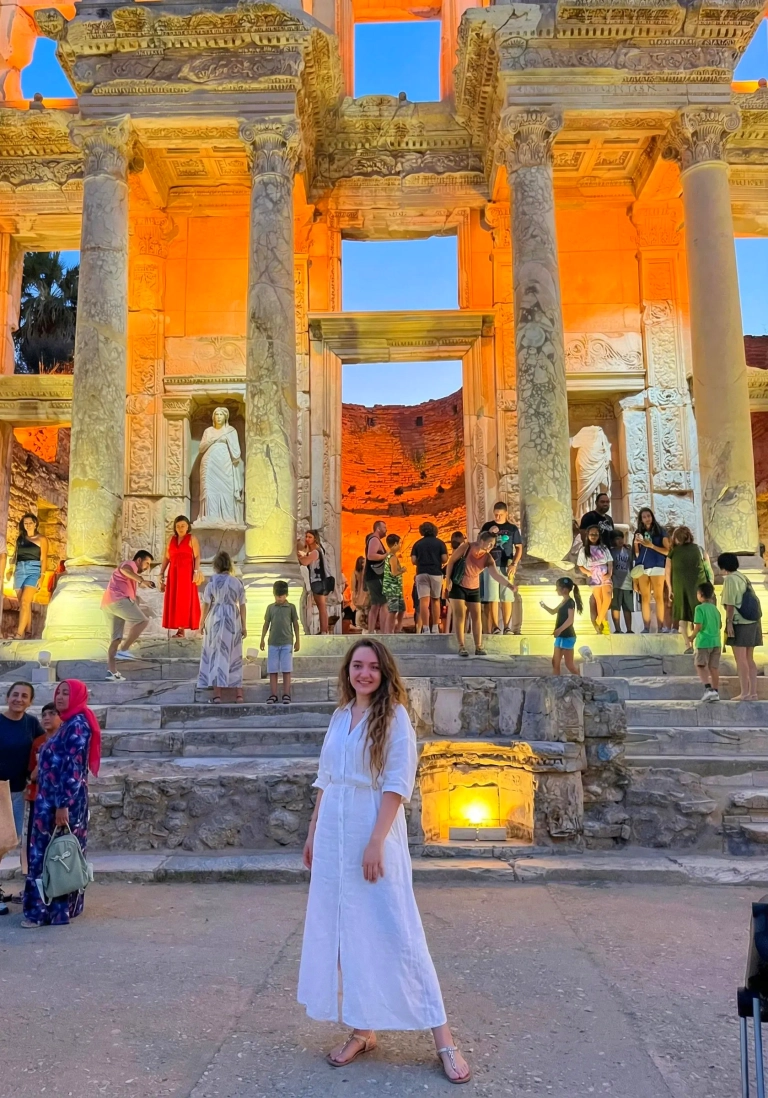
Ephesus Ancient CityGuided visit through Celsus Library, theatre, and marble streets.
Ephesus remains one of the most complete Roman metropolitan archaeology sites in the region.
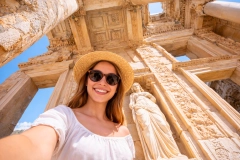
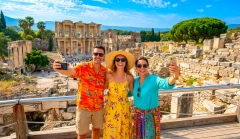
Ephesus Ancient City feels less like a ruin and more like a grand city waiting for its crowds to return. As you walk along the marble streets, the scale of the place becomes immediately clear through the Library of Celsus, the Great Theatre, and the long ceremonial avenues that once connected civic life, trade, and belief. Every corner reveals how powerful and sophisticated this Roman metropolis once was. It is easy to picture philosophers, merchants, and pilgrims moving through the same urban scene that now unfolds in front of you.
Give yourself time to slow down here, because Ephesus rewards careful attention rather than a rushed photo stop. Look at the carved details, the worn paving stones, and the way the city opens toward the theatre to understand how daily life was staged in public view. This is also one of the most evocative places in the region for travelers interested in early Christianity as well as classical history. By the end of the visit, Ephesus usually feels like one of the rare archaeological sites that is both monumental and deeply human.
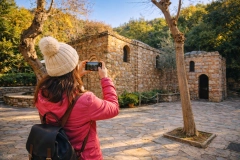
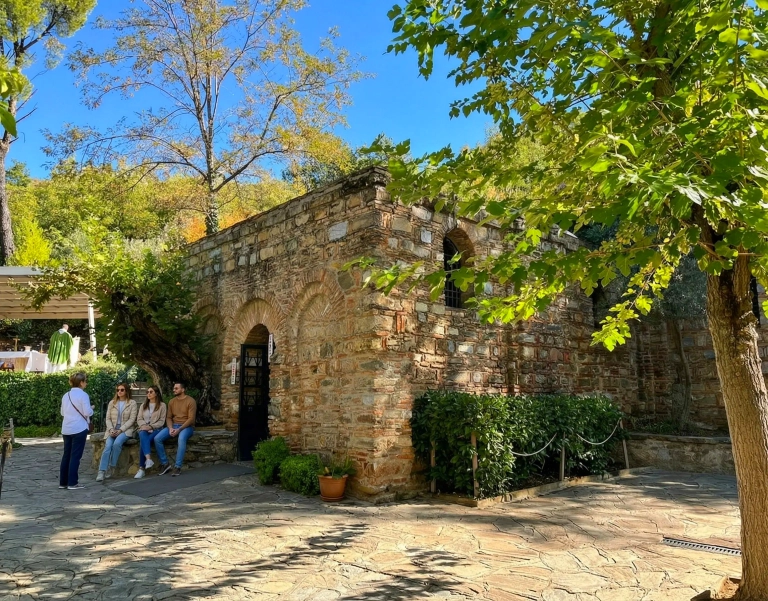
 House of Virgin Mary
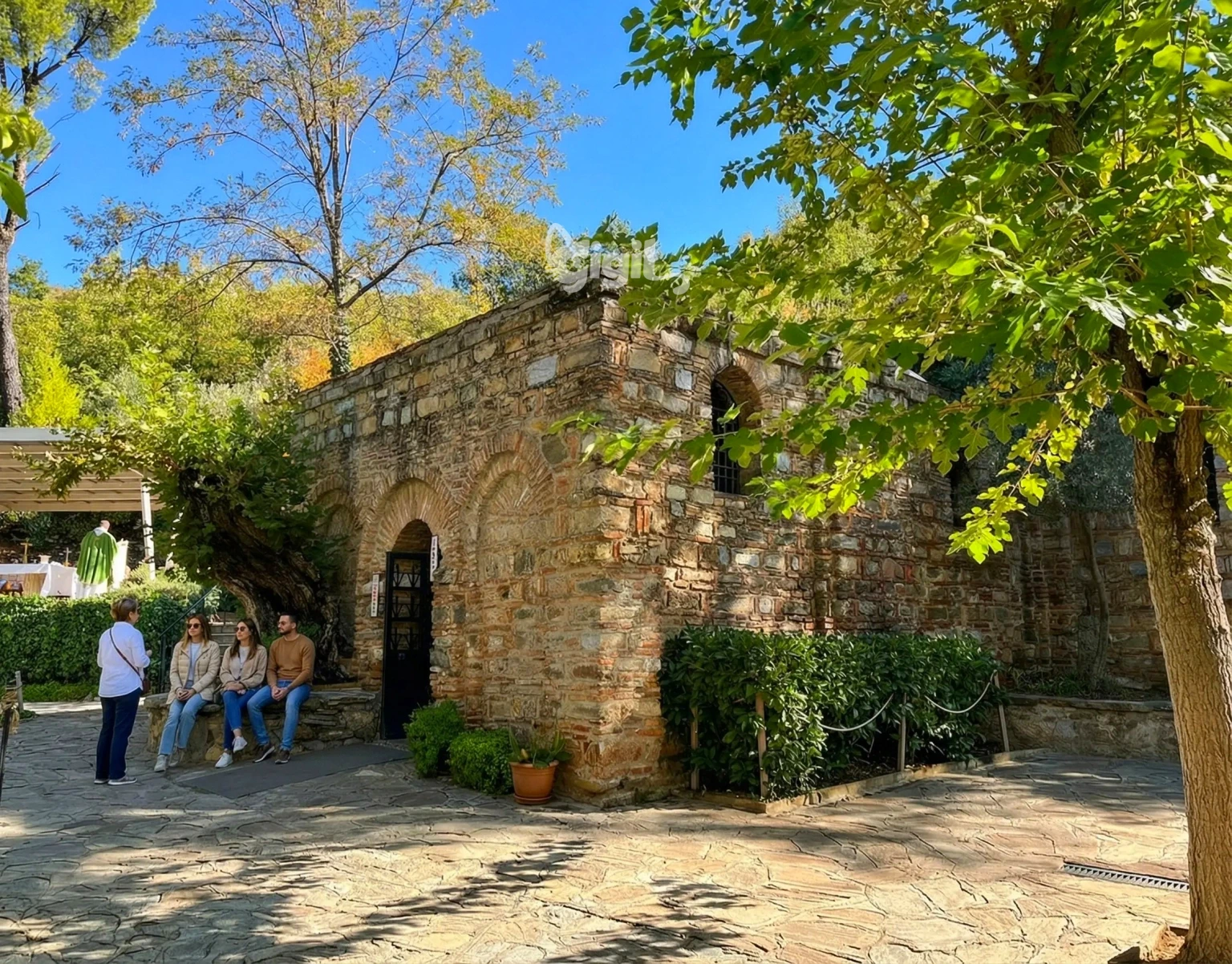
Visit the pilgrimage sanctuary on Bulbul Mountain.
House of Virgin Mary is one of the Aegean's most important religious pilgrimage locations.
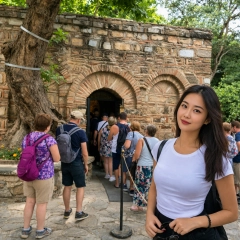
House of Virgin Mary offers a very different atmosphere from the larger archaeological sites around Ephesus. Reached through pine-covered hills, the sanctuary feels quiet, intimate, and reflective, with a mood that encourages visitors to lower their voices and simply take in the setting. For many travelers, the power of the place comes from this sense of calm as much as from its religious meaning. Whether you arrive for spiritual reasons or cultural curiosity, the stop often leaves a lasting impression.
This site is respected by both Christian and Muslim visitors, which gives it a rare interfaith significance in the region. You will notice small acts of devotion everywhere, from candles and prayers to the stillness people keep around the chapel. Instead of treating it as a checklist stop, it is worth pausing for a few quiet minutes to absorb the landscape and the emotion of the place. House of Virgin Mary is best experienced with respect, patience, and an openness to its deeply personal atmosphere.
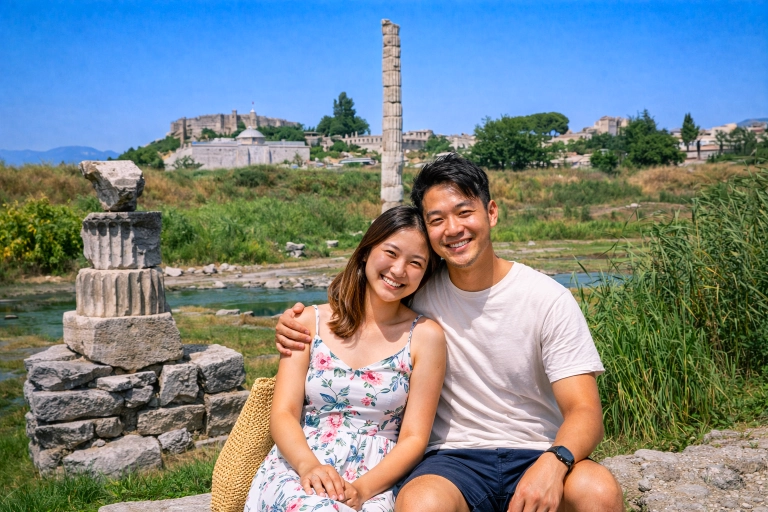
 Temple of Artemis Area
Stop at the temple remains and interpretation zone.
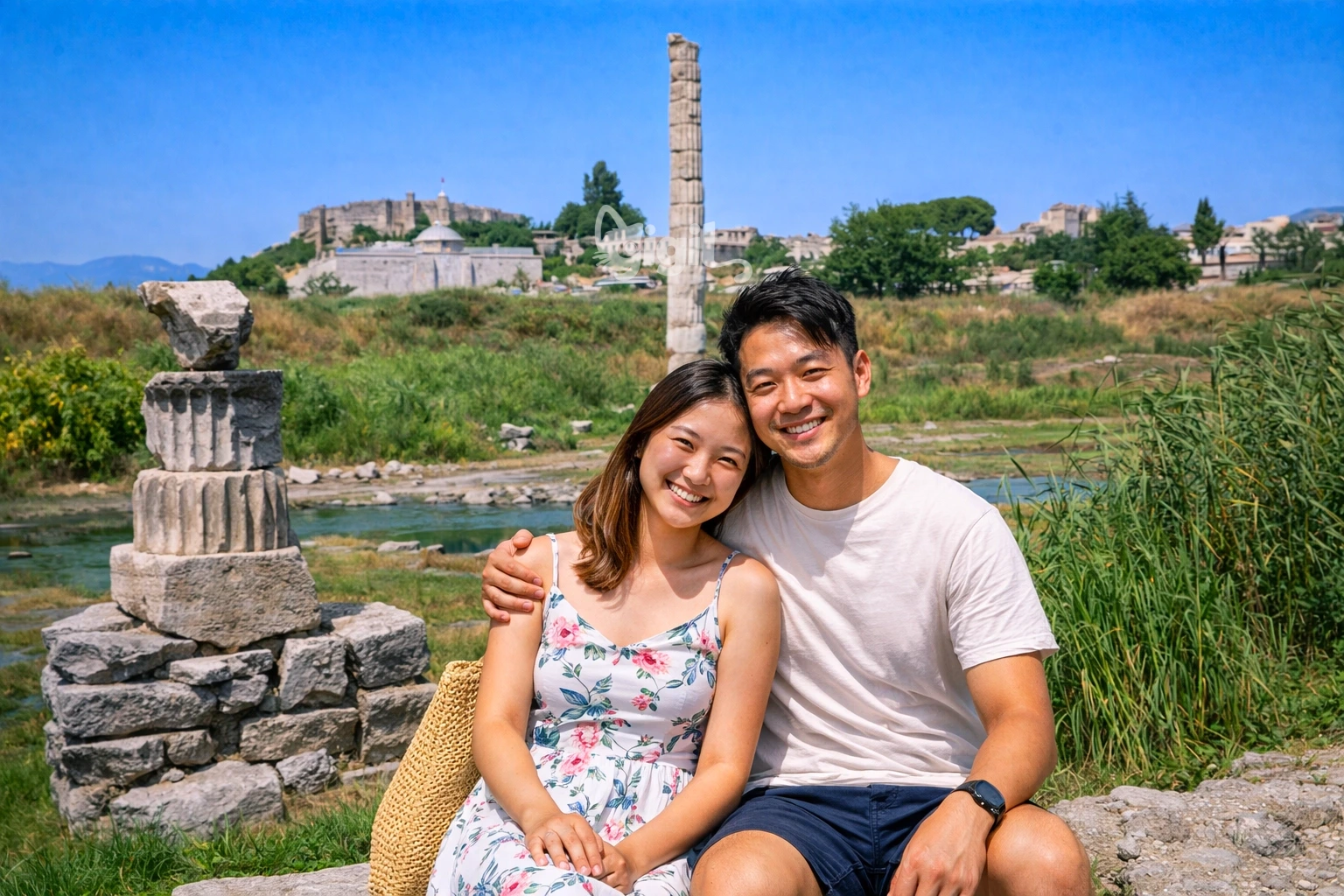
Temple of Artemis is remembered as one of the Seven Wonders of the Ancient World.
Temple of Artemis Area is a quiet stop with an extraordinary historical echo. This landscape once held one of the Seven Wonders of the Ancient World, and although only modest remains are visible today, the significance of the sanctuary is far greater than the surviving stones might suggest at first glance. Standing here invites you to think beyond what remains and imagine the scale, prestige, and sacred role the temple once had in the ancient world. That contrast between past fame and present stillness gives the place a special mood.
The site also gains meaning from its relationship to nearby Ephesus and the wider Selcuk region. Rather than offering dramatic ruins alone, it gives historical perspective on how religion, power, and urban life once connected across this landscape. Travelers who pause long enough usually find the stop more moving than they expected, precisely because it asks for imagination. Temple of Artemis Area is best approached as a place of memory, scale, and reflection rather than spectacle.
 Ephesus Museum (Selcuk)
Visit galleries with core finds from Ephesus excavations.
Ephesus Museum presents sculpture and urban-life artifacts from Selcuk-Ephesus context.
Ephesus Museum (Selcuk) is one of the most useful places for turning the ruins of Ephesus into a fuller story. After seeing the great streets and monuments outdoors, the museum draws your attention to sculpture, cult practice, domestic life, and the finer details of the city's cultural world. It helps bridge the gap between monumental architecture and the people who once animated it. For many travelers, that shift makes the wider Ephesus experience feel far richer.
The strength of the museum lies in how directly it supports the surrounding archaeological landscape. Finds from the Selcuk and Ephesus area are presented in a way that gives context to religion, trade, urban life, and artistic production across centuries. Instead of being an optional add-on, it often becomes the place where separate impressions finally connect. Ephesus Museum rewards a careful visit and often leaves travelers with a clearer, more vivid memory of the whole region.
Lunch Break in SelcukMidday meal stop included in program.
Lunch break is scheduled within day-one route and included in tour plan.
Lunch Break in Selcuk is a good chance to slow down after the monumental scale of Ephesus and enjoy the softer, fresher character of the Aegean table. In this part of western Türkiye, lunch often means olive oil dishes, seasonal herbs, light mezes, village-style vegetables, and simple grilled favorites served without unnecessary heaviness. After a long archaeological walk, that style of cooking usually feels exactly right. The atmosphere is less formal and more about fresh ingredients, good bread, and a relaxed midday pause.
If you want to eat like the region itself, look for zeytinyağlı dishes, artichokes in olive oil, stuffed zucchini flowers, herb-based mezes, and a well-cooked local grilled meat or köfte option. Selcuk is close to the fertile Aegean countryside, so greens, olive oil, and balanced flavors tend to define the meal more than rich sauces do. This is the kind of lunch that refreshes you rather than slows you down before the afternoon route. A simple table here can become one of the most satisfying food memories of the day.
Transfer to Overnight HotelTransfer for overnight stay with included dinner.
Day one concludes with hotel check-in and included dinner.
-
Day 2
Aphrodisias Archaeological Route
B
L
Start day-two route after included breakfast.
Morning departure heads to Aphrodisias archaeological region.
Transfer to AphrodisiasRoad transfer toward Geyre-Aphrodisias zone.
Transfer reaches Aphrodisias archaeological entrance area.
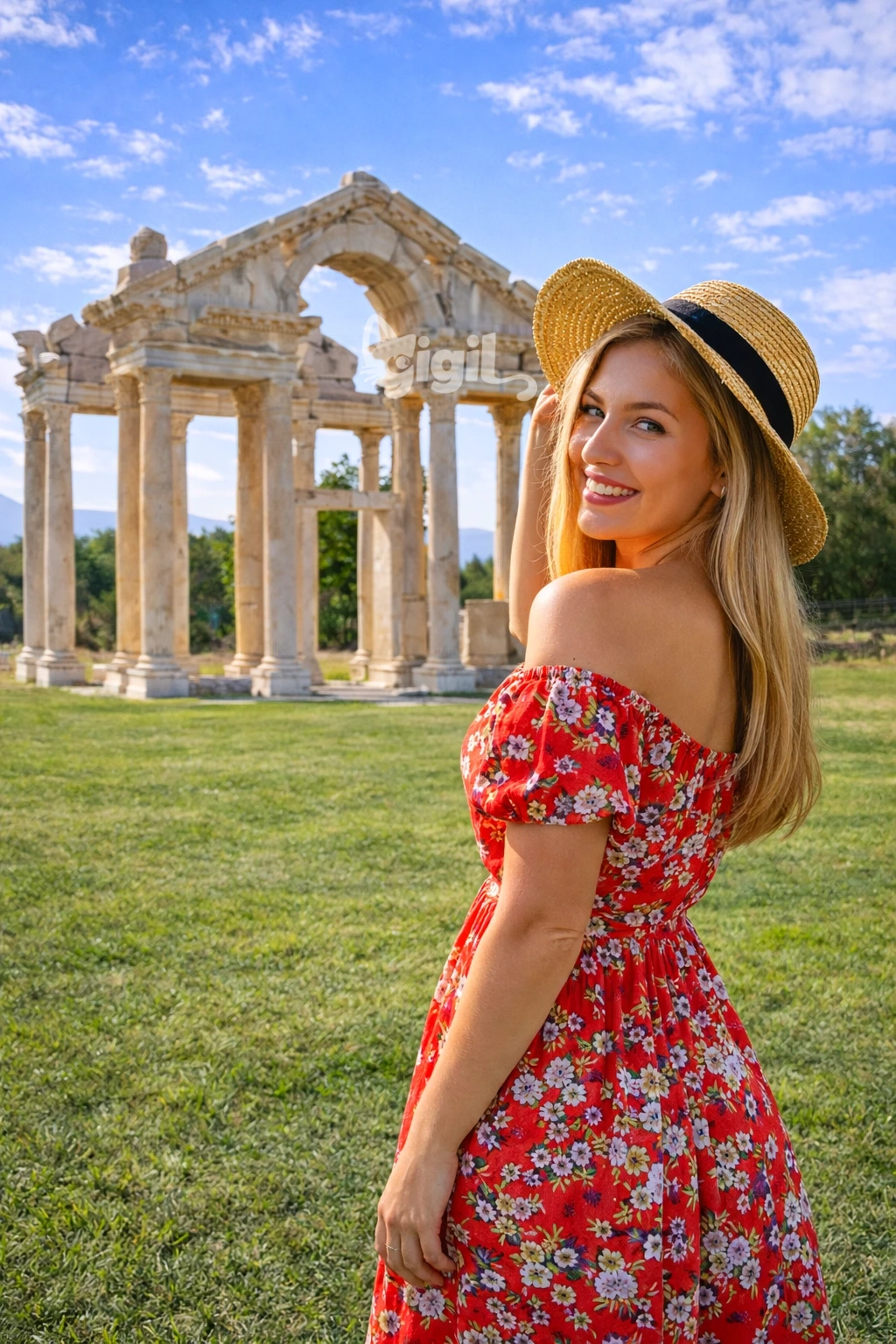
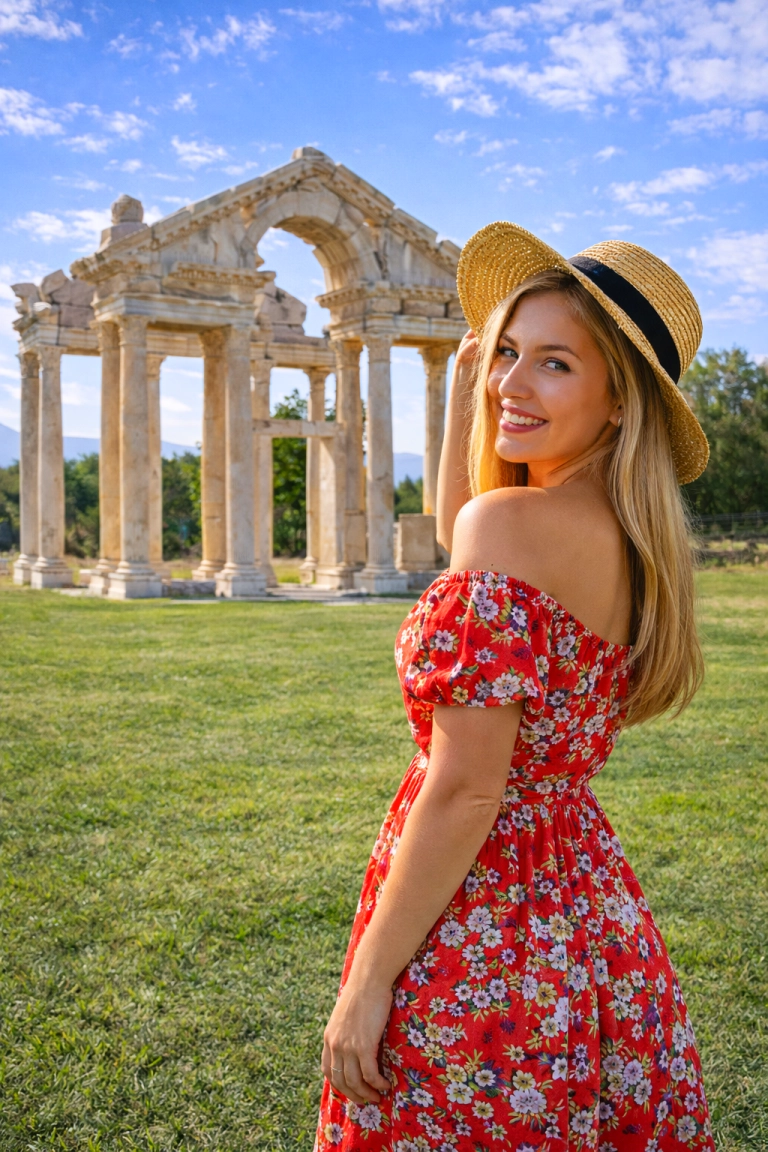
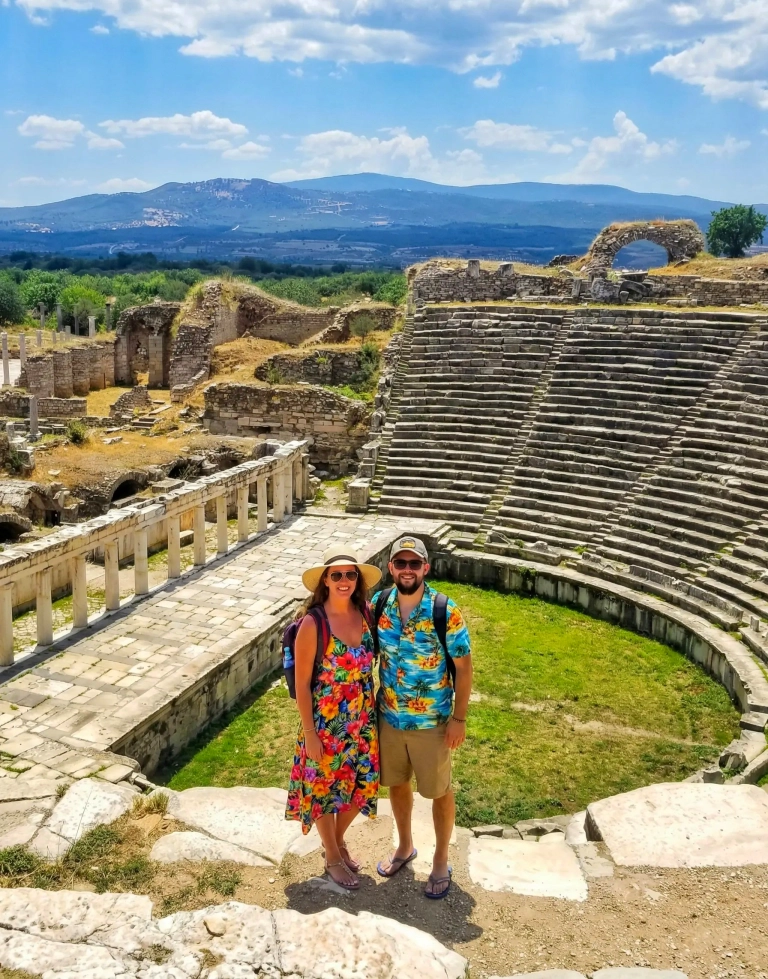
Aphrodisias Ancient CityGuided visit in the major sculpture center of Roman Caria.
Aphrodisias was one of antiquity's leading sculpture schools and artistic production centers.
Aphrodisias Ancient City stands out for its elegance as much as for its scale. Dedicated to Aphrodite and enriched by a celebrated tradition of marble sculpture, the city feels refined in a way that is immediately visible in its monuments, urban planning, and artistic identity. The stadium, temple zone, Tetrapylon, and broad streets create an experience that feels both monumental and unusually graceful. It is one of those sites where beauty and archaeology are equally strong.
What makes Aphrodisias especially memorable is the sense that this was not only a city of power, but also a city of craft. The connection to sculpture gives the ruins a distinctive character, as if the place itself was shaped with extra care and ambition. Because the site is not always as crowded as better-known names, it can also feel more spacious and contemplative. For many travelers, Aphrodisias becomes one of the most rewarding archaeological surprises of the journey.
 Aphrodisias Museum
Visit museum galleries featuring statuary and reliefs from the site.
Aphrodisias Museum preserves one of Turkey's strongest Roman sculpture collections.
Aphrodisias Museum is one of the places where the artistic reputation of the ancient city becomes fully visible. After walking through Aphrodisias itself, entering the museum allows you to see the sculptural quality, refinement, and human detail that made the site famous across the Roman world. Portraits, reliefs, and carved fragments give the city a second life indoors. The result feels less like a secondary stop and more like the key to understanding why Aphrodisias mattered so much.
What makes the museum especially memorable is the strength of its site-linked collection. These are not random objects gathered from elsewhere, but works that belong directly to the city you have just explored, which gives the visit unusual clarity and continuity. The marble craftsmanship is often the highlight, and even travelers who are not usually museum-focused tend to notice the quality here. Aphrodisias Museum turns admiration for the ruins into a deeper appreciation of the people and artistry behind them.
Lunch Break in Aphrodisias AreaMidday meal stop included in program.
Lunch break is scheduled within day-two route and included in tour plan.
A lunch break in the Aphrodisias area works well because the countryside around the site encourages a slower, less urban pace than many other stops. After the marble grandeur of Aphrodisias, sitting down for a regional meal in the wider Karacasu area adds a more local and everyday dimension to the day. The pause helps balance archaeology with comfort. It feels appropriately unhurried.
For lunch, inland Aegean flavors are the natural fit here. You may find grilled meats, vegetable dishes, village-style starters, stews, or fresh local ingredients prepared in a direct and satisfying way. This is a good place to enjoy a simple regional meal rather than looking for anything overly elaborate. The result is often more memorable because it feels connected to the land around the site.
Return Transfer to IzmirRoad transfer back to Izmir after route completion.
After Aphrodisias visits, transfer returns to Izmir drop location.
Program End and Drop-offFinal drop-off and service completion in Izmir.
Tour services conclude after arrival at Izmir.
Got a question about this tour?
Reach out to our travel experts.
Informations
-
What's Included
- 1 night accommodation with dinner (4-star or special-class boutique category)
- Included lunches during the route
- Private deluxe A/C VIP vehicle for all local transfers and tours
- Pickup from your hotel or designated meeting point
- Drop-off to your hotel or designated meeting point
- Parking fees for listed archaeological and route locations
- Private professional licensed tour guide
- Private tour operation only for your group
- Local taxes
-
What's Excluded
- Museum and site admission fees
- Personal expenses
- Domestic transportation tickets unless explicitly added to booking
- Gratuities for guide and driver
-
Entrance Fees
- Entrance fees are not included and are paid directly on site according to current official rates.
-
Travel Tips
- Wear comfortable shoes for archaeological walking and carry sun protection, as route sections include open-air visits on uneven stone surfaces.
-
Note
- Route timing may vary by seasonal traffic and site schedules; final operational details are confirmed after reservation.
Your Peace of Mind Options
Cancellation Policy
A transparent overview of applicable fees.
Customer Comments - Tripadvisor Write A Review!
Customer Comments - Tripadvisor




Tour Reminder!
You can create a reminder for yourself for this tour. We will send you a reminder e-mail/sms about this tour on the date you specify.
FAQs
-
What does the 2 Days Ephesus and Aphrodisias Heritage Tour include?
- Private tour operation only for your group
- Private professional licensed tour guide
- Private deluxe A/C VIP vehicle for all local transfers and tours
- 1 night accommodation with dinner (4-star or special-class boutique category)
- Included lunches during the route
- Pickup and drop-off at your hotel or designated meeting point
- Parking fees for listed archaeological and route locations and local taxes
-
Is this a private tour?
- Yes. It is operated privately for your group with a private guide and VIP vehicle
- Pace can be adjusted within the operational route and opening hours
-
What is covered on Day 1 (Ephesus and Selcuk route)?
- Ephesus Ancient City
- House of Virgin Mary
- Temple of Artemis area
- Ephesus Museum (Selcuk)
- Lunch break in Selcuk (included lunch, beverages usually extra)
- Transfer to overnight hotel
-
What is covered on Day 2 (Aphrodisias route)?
- Aphrodisias Ancient City
- Aphrodisias Museum
- Lunch break (included lunch, beverages usually extra)
- Return transfer to Izmir and drop-off
-
Is accommodation included and where do we stay overnight?
- Yes. 1 night accommodation is included with dinner
- The overnight stay is planned based on route flow and availability
- Final hotel name and room type are confirmed after booking
-
Are museum and site entrance fees included?
- No. Museum and site admission fees are excluded
- Please plan budget for Ephesus and Aphrodisias admissions
-
Are lunches included?
- Yes. Included lunches are provided during the route as listed in the inclusions
- Beverages are typically paid separately unless stated otherwise on your voucher
-
Is dinner included?
- Yes. Dinner is included with the overnight hotel stay
- Drinks are typically extra unless stated otherwise
-
How much walking is involved?
- Expect walking on uneven archaeological terrain at Ephesus and Aphrodisias
- Some areas have stone paths, steps, and open-air distances
- If you have mobility concerns, tell us in advance so pacing can be adjusted
-
What is not included in the price?
- Museum and site admission fees
- Personal expenses
- Domestic transportation tickets unless explicitly added to booking
- Gratuities for guide and driver
General FAQs
-
What currency is used in Turkey?
Turkey uses the Turkish Lira (TRY).
- Cards are widely accepted in cities and tourist areas, but cash is still useful for small purchases.
- ATMs are common. Exchange offices and banks are also available.
-
Can I pay by credit card in Turkey?
In most restaurants, hotels, and shops you can pay by card.
- For markets, small shops, taxis, and tips, carrying some cash is recommended.
- Let your bank know you are traveling to avoid card blocks.
-
Is Turkey safe for tourists?
Turkey is generally safe for visitors, especially in main tourist areas.
- As in any destination, watch out for pickpockets in crowded places.
- Use licensed taxis/transport where possible and keep valuables secure.
-
What should I wear when visiting mosques in Turkey?
Dress modestly when entering mosques.
- Shoulders and knees should be covered.
- Women may be asked to cover their hair.
- Shoes are usually removed at the entrance.
-
Do I need a visa to visit Turkey?
Visa requirements depend on your nationality.
- Please check the latest rules from official sources (consulate/embassy or the official e-visa portal) before travel.
-
What is the best time to visit Turkey?
Spring and autumn are popular because temperatures are usually milder.
- Summer can be hot on the coast and inland.
- Winter is quieter and can be great for cities and some regions.
-
Will English be enough in Turkey?
Turkish is the official language. In tourist areas, English is commonly spoken.
- Learning a few basic Turkish words is appreciated and can help outside major areas.
-
What power plug is used in Turkey?
Turkey typically uses Type C and Type F plugs (220V, 50Hz).
- If your devices use a different plug type, bring a travel adapter.
-
Is tap water safe to drink in Turkey?
In many places, visitors prefer bottled water.
- Hotels and restaurants usually provide bottled water easily.
-
Is tipping expected in Turkey?
Tipping is common and appreciated for good service.
- In restaurants, rounding up or leaving a small amount is typical.
- For guides and drivers, tips are at your discretion based on satisfaction.
-
Do I need to carry my passport in Turkey?
We recommend keeping your passport safely in your hotel and carrying a copy (photo or printed) when out.
- Some venues may request an ID; your guide can advise for your route.
-
Do museums and sites have weekly closure days in Turkey?
Opening hours can change by season and some venues may have weekly closure days.
- We recommend checking the latest opening hours close to your travel date.
- Starting earlier in the day helps to avoid crowds at popular sites.
-
What are the emergency numbers in Turkey?
Dial 112 for emergencies (medical, police, fire and other urgent situations).
- 112 is a unified emergency line in Turkey.
- If you do not speak Turkish, try English and share your location clearly.
-
How do I get from airports to the city in Turkey?
Options depend on the city, but common choices are:
- Official airport taxi
- Airport shuttles/buses
- Metro/train (available in some cities)
- Pre-booked private transfers
If you arrive late at night or with luggage, a pre-booked transfer can be the easiest option.
-
Are taxis and ride-hailing apps reliable in Turkey?
Use licensed taxis and make sure the meter is used (unless a fixed airport fare is confirmed).
- In some cities, taxi-hailing apps can help you find a taxi more easily.
- If possible, keep small cash and ask for a receipt when needed.
-
How do I buy a SIM/eSIM in Turkey?
You can buy SIM/eSIM options from mobile operators and official stores.
- Bring your passport for registration.
- For longer stays, foreign phones may require device registration (IMEI) to keep working on local networks.
-
What are typical opening hours in Turkey?
Opening hours vary by city and season.
- Many shops and malls stay open late, especially in tourist areas.
- Some museums may close earlier and may have weekly closure days.
- During national or religious holidays, hours can change.
-
How do pharmacies work in Turkey (duty pharmacy)?
Pharmacies are called Eczane. Outside normal hours, there is usually a rotating on-duty pharmacy (Nöbetçi Eczane).
- Regular pharmacies typically post the on-duty pharmacy information on the door/window.
- Your hotel reception can also help you find the nearest one.
Let's Customize Your Trip!
Prepare your own tour plan!
Good to Know
-
Good to know: Aphrodisias is an open-air site with limited shade
- Midday sun can be strong in warm months
- Hat, sunscreen, and water improve comfort
-
Good to know: start early to avoid crowds at Ephesus
- Peak season can be busy, especially midday
- Early timing improves comfort and photos
-
Good to know: comfortable shoes matter at both sites
- Stone paths and uneven ground are common
- Shoes with good grip improve safety and comfort
-
Good to know: plan cash for entrance fees
- Admission fees are excluded
- Your guide can advise which tickets are needed on the day
-
Good to know: included lunches may not include beverages
- Lunch is included per tour inclusions
- Beverages are often extra unless stated otherwise
Want to read it later?
Download this tour’s PDF brochure and start tour planning offline


