
Western Turkey Classic Discovery



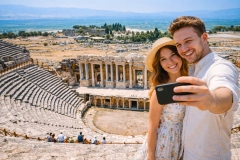
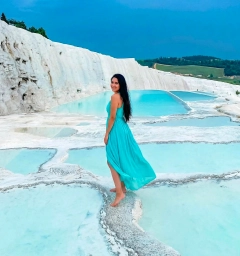
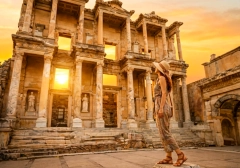
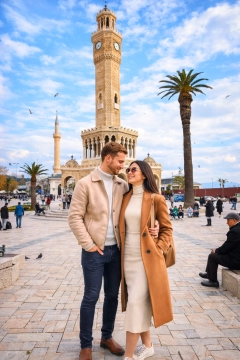
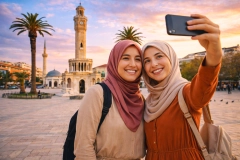
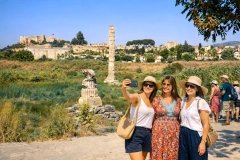
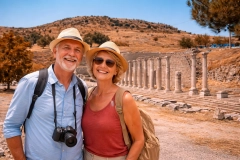
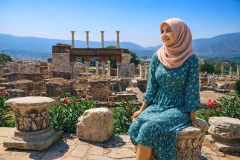
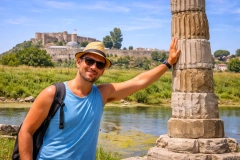
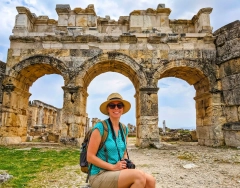
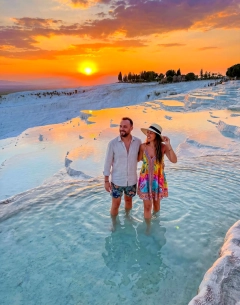
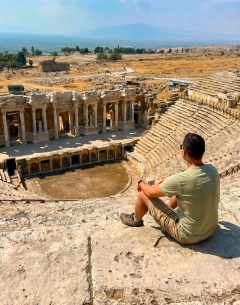
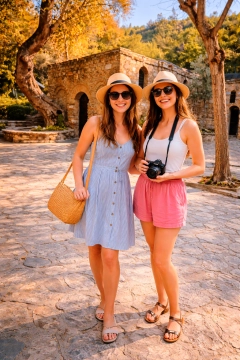
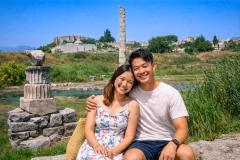
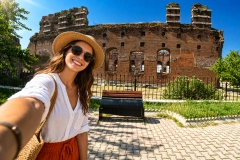
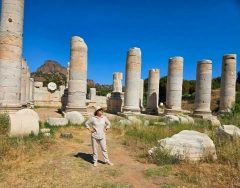
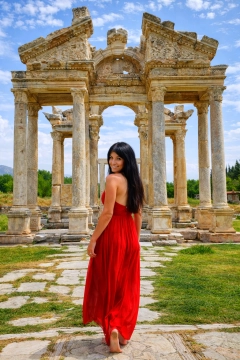
Discover a 9 Nights 10 Days Western Turkey Classic Discovery from Istanbul by domestic flights. Visit Istanbul Old City, Cappadocia highlights, Kusadasi, Pamukkale-Hierapolis, Ephesus Ancient City, House of Virgin Mary, and Temple of Artemis with guided tours.
Highlights
- Istanbul Old City, essential Byzantine and Ottoman landmarks
- Cappadocia valleys and underground city, volcanic and cave heritage
- Ephesus and House of Virgin Mary, sacred and classical highlights
- Pamukkale and Hierapolis, white terraces and Roman spa-city remains
- Balanced schedule with leisure time in Istanbul at the beginning and end

Western Turkey Classic Discovery
Discover a 9 Nights 10 Days Western Turkey Classic Discovery from Istanbul by domestic flights. Visit Istanbul Old City, Cappadocia highlights, Kusadasi, Pamukkale-Hierapolis, Ephesus Ancient City, House of Virgin Mary, and Temple of Artemis with guided tours.
Itinerary
This itinerary is designed for travelers who want a complete 10 day western Turkey classic discovery with a balanced route across the country’s most popular historical regions. Departing from Istanbul, the program uses domestic flights to connect distant destinations efficiently. It is ideal for guests seeking a guided west Turkey tour package that combines city heritage, archaeological landmarks, and natural wonders. The schedule is structured and practical, making daily logistics easy to follow. For first-time and repeat visitors, this is a strong Turkey UNESCO heritage highlights option.
The journey starts in Istanbul with old-city monuments and museum-rich districts, then continues to Cappadocia for valleys and cave heritage. In Cappadocia, guided days include fairy chimneys, open-air museum areas, and underground culture through a full Goreme fairy chimneys Red Valley Kaymakli sequence. After central Anatolia, the route moves to Kusadasi and Pamukkale for thermal terraces and ancient urban remains. This creates a complete Kusadasi Pamukkale Hierapolis itinerary before the Ephesus section. Every destination listed is directly aligned with the official day-by-day plan.
The Ephesus day covers major ruins and sacred landmarks around Selcuk with professional guidance. Travelers complete the essential House of Virgin Mary Temple of Artemis Selcuk highlights before returning to Istanbul. The package suits couples, families, and small groups who prefer organized movement and broad destination coverage. All descriptions remain itinerary-specific and transparent, with no unrelated or misleading additions. Overall, this route is a dependable Istanbul Cappadocia Ephesus Pamukkale by air holiday program.
-
Day 1
Istanbul Airport Arrival
Meet at Istanbul Airport and begin your route.
Istanbul is the arrival gateway for this classic west Turkey itinerary.
Hotel Transfer IstanbulTransfer from airport to city hotel.
Transfer positions you near historical districts for Day 2.
Istanbul Hotel Check-inCheck in and overnight in Istanbul.
First overnight prepares full-day Old City touring.
-
Day 2
Istanbul Old City Start
B
L
Begin guided Sultanahmet route after breakfast.
Sultanahmet concentrates major Byzantine and Ottoman monuments.
Hagia SophiaGuided visit through Hagia Sophia.
Hagia Sophia is one of Istanbul's defining historical landmarks.
Hagia Sophia carries the weight of empires the moment you stand before it. Few monuments in the world express such a deep layering of history, where Byzantine ambition, Ottoman transformation, and modern memory all remain visible in one extraordinary structure. Inside, the immense dome, vast interior volume, marble surfaces, and surviving decorative details create a sense of awe that photographs rarely capture. It is less a single building than a long conversation between civilizations.
As you move through the space, keep looking upward and outward, because the scale is part of the emotional impact. Subtle details reveal themselves slowly, from calligraphic elements to traces of older artistic traditions, and that tension between eras is what makes the monument unforgettable. The setting in the heart of the historic peninsula only adds to the experience, placing you inside one of the most symbolically charged landscapes in Istanbul. For travelers interested in history, architecture, or simply atmosphere, Hagia Sophia almost always feels like a highlight of the entire trip.
Blue MosqueVisit Sultan Ahmed Mosque.
Blue Mosque is known for six minarets and elegant Ottoman interiors.
Blue Mosque is one of those landmarks that immediately defines the skyline and the mood of old Istanbul. Its six minarets, layered domes, and elegant proportions make it impressive from the outside, but the real experience deepens once you step into the prayer hall and see the light move across the interior. The famous blue-toned Iznik tiles and vast open space create an atmosphere that feels both grand and peaceful. Even in a busy part of the city, the monument still holds a strong sense of calm.
Because it remains an active place of worship, this visit works best when approached with quiet respect and a little patience. Take time to notice the courtyard, the rhythm of the arches, and the way the building was designed to balance spiritual presence with imperial scale. The surrounding Sultanahmet area adds even more power to the stop, since so many of Istanbul's major monuments stand within a short walk of one another. For many travelers, Blue Mosque becomes one of the moments when Istanbul stops feeling like a distant postcard and starts feeling immediate and real.
Topkapi PalaceExplore Topkapi Palace complex.
Topkapi served as imperial residence and state center for centuries.
Topkapi Palace opens the door to the imperial world of the Ottoman court. Rather than a single grand building, the palace unfolds through courtyards, chambers, terraces, ceremonial spaces, and viewpoints that reveal how power was organized and displayed for centuries. The Bosphorus views alone are memorable, but the real fascination comes from imagining the officials, sultans, guards, and artisans who once filled these spaces. It is a place where politics, luxury, daily routine, and ceremony all seem to overlap.
Walking through the complex gives you a stronger sense of Ottoman history than a simple timeline ever could. One section may highlight refined decoration and courtly taste, while another reminds you that this was the administrative heart of an empire stretching across continents. Pay attention to the transitions between open courtyards and more private interiors, because that rhythm is part of the palace experience. By the time you leave, Topkapi Palace often feels less like a museum visit and more like a passage through the living structure of imperial Istanbul.
Lunch Break in SultanahmetIncluded lunch during city route.
Lunch service is included in the day's guided program.
Lunch Break in Sultanahmet comes at exactly the right moment, after a dense sequence of monuments and before the old city begins to feel overwhelming. The area is one of Istanbul's most visited historic quarters, but it is also a very good place to sample the classic flavors that define everyday Turkish eating. Instead of treating lunch as a quick necessity, it helps to use it as part of the old-city experience. Around these streets, food and history naturally overlap.
If you want a meal that suits the setting, look for döner, kebab, pide, lahmacun, börek, or a good spread of mezes that lets you taste more than one flavor at once. Sultanahmet is especially convenient for travelers who want familiar Turkish classics without leaving the monument zone. A satisfying lunch here should feel warm, flavorful, and straightforward rather than overly complicated. After hours among imperial landmarks, sitting down to a proper Istanbul meal can feel like part of the sightseeing itself.
Hippodrome SquareWalk through historical Hippodrome zone.
The Hippodrome was Constantinople's ceremonial civic center.
Hippodrome Square is one of the best places to imagine the ceremonial life of old Constantinople. What is now an open public space was once the great arena of the Byzantine capital, where chariot races, imperial appearances, and major political tensions played out before enormous crowds. As you walk through the square, the surviving monuments help the past feel surprisingly close rather than abstract. It is a stop that rewards a little imagination and historical awareness.
The setting is especially powerful because so many of Istanbul's major landmarks stand nearby. Obelisks, open space, and the surrounding skyline create a layered atmosphere in which Roman, Byzantine, and Ottoman history all seem to overlap. Instead of thinking of it as an empty square, try to picture the noise, spectacle, and rivalry that once defined this space. For travelers exploring Sultanahmet, Hippodrome Square often becomes the place where the historic peninsula starts to feel dramatically alive.
Grand BazaarVisit historical covered market district.
Grand Bazaar remains one of the oldest and largest covered markets.
Grand Bazaar is not just a market, but an experience of movement, color, sound, and texture. As you enter its covered lanes, you step into a trading world shaped by centuries of commerce, where light falls across ceramics, textiles, lamps, jewelry, leather, sweets, and countless small details competing for your attention. The scale of the bazaar makes it feel almost like a city within the city. Even travelers who do not plan to shop usually enjoy simply walking through its atmosphere.
The best way to experience the bazaar is to stay curious and unhurried. Look beyond the main corridors and you will notice workshops, quieter passages, and the old rhythm of buying, bargaining, and craft still shaping the place. It is also one of the easiest places in Istanbul to feel how trade helped define the city's identity across empires. For many visitors, Grand Bazaar becomes one of the most sensory and memorable stops of the old city.
Istanbul OvernightReturn to hotel after city sightseeing.
Overnight in Istanbul before leisure day and flights.
-
Day 3
Istanbul Free Day Start
B
Begin leisure day in Istanbul after breakfast.
Free day allows independent exploration and optional activities.
Taksim and Istiklal AreaOptional free time in modern center.
Taksim-Istiklal zone offers shopping, dining, and street culture.
Galata and Karakoy WalkOptional free-time along historic waterfront neighborhoods.
Galata-Karakoy blends historic architecture with contemporary city life.
Istanbul OvernightReturn to hotel for overnight.
Final Istanbul overnight before Cappadocia flight.
-
Day 4
Flight to Cappadocia
B
L
Early transfer and flight to Cappadocia.
Domestic flight improves route efficiency for regional highlights.
Devrent ValleyVisit Devrent's sculpted formations.
Devrent Valley is known for imaginative volcanic tuff shapes.
Devrent Valley feels like Cappadocia at its most playful and surreal. The valley is famous for rock formations shaped by wind and time into forms that resemble animals, figures, and strange sculptures, so nearly every visitor starts seeing something different in the landscape. Unlike sites focused on churches or settlements, this stop is about imagination as much as history. The scenery has a dreamlike quality that makes even a short visit memorable.
What makes Devrent rewarding is the freedom to look slowly and let the shapes reveal themselves. One angle may look lunar and abstract, while another suddenly turns into a camel, a bird, or a giant stone silhouette. The soft volcanic terrain and open views also make it a very satisfying place for photography. For many travelers, Devrent Valley is where Cappadocia feels less like a normal region and more like a landscape invented for stories.
Pasabag Fairy ChimneysStop at Pasabag highlights.
Pasabag contains iconic multi-headed fairy chimneys.
Pasabag Fairy Chimneys is one of the easiest places in Cappadocia to understand why the region looks so unlike anywhere else. The valley is famous for its multi-headed fairy chimneys, whose improbable forms seem almost designed rather than carved by wind, water, and volcanic geology. The formations are dramatic, playful, and instantly photogenic. Even travelers who have already seen several valleys often find Pasabag especially striking.
The real pleasure here comes from walking among the formations and noticing how scale changes from one angle to another. What seems whimsical from a distance can feel massive and almost architectural when you stand close to it. The site captures the surreal quality of Cappadocia in a very concentrated way, which is why it remains one of the region's classic stops. Pasabag is the kind of place that makes the landscape feel both natural and fantastical at the same time.
Lunch Break in CappadociaIncluded lunch during north route.
Lunch service is included in the guided day program.
Lunch Break in Cappadocia is more than a pause between valleys, museums, and underground cities, because the region has a food identity of its own. Central Anatolian cooking is hearty, aromatic, and closely tied to clay, fire, and slow preparation, which suits the landscape around you perfectly. After a morning among rock formations and cave heritage, the local cuisine feels like a natural extension of the place. It is one of the best opportunities in the day to experience Cappadocia beyond the views.
The dish most travelers hope to try here is testi kebabı, the famous clay pot kebab cooked slowly in a sealed earthen vessel and often opened dramatically at the table. You may also find apricot-based meat dishes, local wines, and comforting homemade plates that reflect the agricultural traditions of the region. A good lunch in Cappadocia should feel warm, rustic, and rooted in the land rather than generic. If the menu allows it, this is the place to choose something unmistakably local.
Goreme Open Air MuseumExplore cave churches and monastic complexes.
Goreme Open Air Museum is a UNESCO-listed heritage complex.
Goreme Open Air Museum is one of the places where Cappadocia's landscape and spiritual history come together most clearly. Carved directly into soft volcanic rock, the churches, chapels, and monastic spaces show how communities adapted the land into a sacred environment filled with faith, artistry, and daily life. The frescoes inside many of the cave churches add color and emotion to a setting that is already visually unforgettable. It is easy to understand why this site is considered one of the region's essential stops.
The visit becomes especially rewarding when you slow down and let the details emerge from the stone. Dark interiors, painted walls, worn steps, and quiet courtyards create a mood that feels very different from the dramatic valleys outside. Instead of seeing the museum only as a collection of monuments, try to experience it as a lived monastic world shaped by devotion and isolation. For travelers exploring Cappadocia, Goreme Open Air Museum often provides the historical depth that makes the entire landscape feel richer and more meaningful.
Uchisar ViewpointPanoramic stop at Uchisar rock castle area.
Uchisar offers broad valley views over central Cappadocia.
Uchisar Viewpoint is one of the places where Cappadocia opens out in the most generous way. From here, the carved valleys, soft ridges, and volcanic contours spread across the horizon, giving you a more complete sense of the region's scale and shape. It is an excellent place to pause, breathe, and simply look. The panorama often feels calm and expansive rather than dramatic in a loud way.
Because the viewpoint is so broad, it also helps connect the many separate stops of a Cappadocia route into one coherent landscape. Valleys, rock forms, and settlement patterns begin to read as part of the same geological story. That makes even a simple photo stop feel more meaningful. For many travelers, Uchisar becomes one of the most satisfying visual summaries of the region.
Cappadocia Hotel Check-inOvernight check-in in Cappadocia.
Overnight in Cappadocia supports south-route touring on Day 5.
-
Day 5
Cappadocia South Start
B
L
Begin south route after breakfast.
South route combines valley panoramas and underground-city history.
Red ValleyWalk through Red Valley section.
Red Valley offers scenic volcanic ridges and trail views.
Red Valley is one of Cappadocia's most atmospheric walking landscapes, especially when the changing light begins to warm the stone. The valley is known for layered volcanic ridges, soft curves, and rich tones that shift from pale rose to deep red depending on the hour and the weather. Unlike the more architectural stops of the region, this one draws you into the natural rhythm of the terrain itself. It feels open, immersive, and quietly dramatic.
The pleasure of Red Valley comes from moving through it rather than only looking at it from a distance. Each bend reveals new formations, narrow paths, and broad viewpoints that make the landscape feel almost cinematic. It is also one of the places where Cappadocia's colors become part of the experience, not just the shapes of the rock. For travelers who enjoy scenery with mood and movement, Red Valley often feels like one of the most beautiful segments of the route.
Pigeon ValleyStop at Pigeon Valley viewpoints.
Pigeon Valley provides broad panoramas over carved terrain.
Pigeon Valley is one of Cappadocia's most satisfying panoramic stops. The valley opens into dramatic cliffs, carved cave spaces, and long visual lines that help you appreciate how deeply people shaped this volcanic landscape over centuries. Its name comes from the many dovecotes cut into the rock, a reminder that even the most beautiful scenery here was also part of practical daily life. The result is a viewpoint that feels both scenic and culturally rooted.
What makes the stop memorable is the balance between scale and detail. From a distance, the valley looks vast and sculptural, but the more you look, the more human traces begin to appear in the cliffs and carved surfaces. It is an excellent place for photos, yet the real reward is simply standing still and letting the landscape unfold. For travelers moving through Cappadocia, Pigeon Valley often becomes one of the moments when the region's beauty feels most complete.
Kaymakli Underground CityExplore underground settlement levels.
Kaymakli reveals historical subterranean communal architecture.
Kaymakli Underground City gives you one of Cappadocia's most unusual and immersive experiences. Descending into its narrow passages and carved chambers, you begin to understand how entire communities once organized shelter, storage, movement, and defense beneath the surface of the land. The engineering feels remarkably practical, but the atmosphere is what most visitors remember first. Cool air, low tunnels, and the sense of hidden life make the visit feel adventurous from the very first steps.
This is not just an underground shelter, but a complex system that reveals how people adapted creatively to uncertain times. As you move through the levels, it becomes easier to imagine families, supplies, animals, and religious life all being protected within this subterranean world. The experience is especially powerful because it feels so different from Cappadocia's open valleys and panoramic viewpoints above ground. For travelers who want a stronger sense of the region's human story, Kaymakli Underground City is often one of the most memorable stops on the route.
Lunch Break in CappadociaIncluded lunch during south route.
Lunch service is included before return to hotel.
Lunch Break in Cappadocia is more than a pause between valleys, museums, and underground cities, because the region has a food identity of its own. Central Anatolian cooking is hearty, aromatic, and closely tied to clay, fire, and slow preparation, which suits the landscape around you perfectly. After a morning among rock formations and cave heritage, the local cuisine feels like a natural extension of the place. It is one of the best opportunities in the day to experience Cappadocia beyond the views.
The dish most travelers hope to try here is testi kebabı, the famous clay pot kebab cooked slowly in a sealed earthen vessel and often opened dramatically at the table. You may also find apricot-based meat dishes, local wines, and comforting homemade plates that reflect the agricultural traditions of the region. A good lunch in Cappadocia should feel warm, rustic, and rooted in the land rather than generic. If the menu allows it, this is the place to choose something unmistakably local.
Cappadocia OvernightReturn to hotel and overnight.
Final Cappadocia overnight before Aegean transfer.
-
Day 6
Flight to Izmir
B
Transfer and flight from Cappadocia to Izmir.
Flight segment connects central Anatolia to Aegean coast.
Transfer to KusadasiRoad transfer from Izmir airport to Kusadasi.
Kusadasi serves as base for Pamukkale and Ephesus routes.
Kusadasi Hotel Check-inOvernight check-in in Kusadasi.
Overnight prepares inland Pamukkale route on Day 7.
-
Day 7
Pamukkale Excursion Start
B
Depart Kusadasi for Pamukkale-Hierapolis program.
This inland route combines thermal geology and Roman-era archaeology.
Pamukkale TravertinesWalk on white calcium terraces.
Pamukkale terraces formed by mineral-rich hot spring deposits.
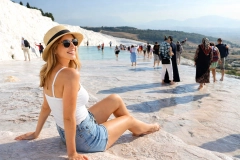
Pamukkale Travertines look almost unreal when you first see them, with white mineral terraces cascading down the hillside like frozen clouds. As you walk through the area, the contrast between bright stone, shallow thermal pools, and wide valley views creates one of the most memorable natural scenes in Turkey. The nickname Cotton Castle makes immediate sense once the formations appear in front of you. Even travelers who have seen many famous landmarks are often surprised by how striking Pamukkale feels in person.
This is a place to enjoy slowly rather than rush through, because the beauty changes with the light and with every shift in perspective. The warm water, the smooth surfaces, and the open sky give the visit a calm rhythm that feels very different from a museum or city monument. It is also one of those rare destinations where photography is easy, but simply standing still for a moment can be even better. Seen together with nearby Hierapolis, the travertines become more than a natural wonder and start to feel like part of a complete travel experience.
Hierapolis Ancient CityGuided visit through Hierapolis ruins.
Hierapolis was a major Roman spa city with monumental remains.
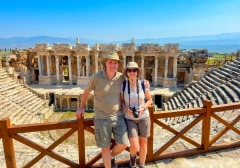
Hierapolis Ancient City rises above Pamukkale like the stone memory of an ancient healing world. The city was built around thermal waters, and as you explore its streets, gates, baths, necropolis, and theatre, you can feel how strongly health, belief, and urban life were connected here. The ruins are broad and open, giving the site a powerful sense of scale. It is the kind of place where the landscape and the archaeology constantly speak to each other.
What makes Hierapolis especially rewarding is that it does not offer only one highlight, but a full historical setting to move through step by step. One moment you are looking at a monumental theatre, and the next you are imagining pilgrims, patients, and traders arriving in a famous spa city of the ancient world. The nearby thermal formations make the experience feel even more distinctive, because the natural wonder and the ancient settlement belong to the same story. For travelers who enjoy ruins with atmosphere, Hierapolis feels expansive, layered, and surprisingly vivid.
Lunch Break in PamukkaleFree lunch break during excursion.
Meal break is provided as non-included free-time stop on this route.
Lunch Break in Pamukkale gives you the perfect excuse to taste the flavors of Denizli while resting between terraces, ruins, and thermal stops. The local table combines the herb-rich habits of the Aegean with stronger inland specialties, so lunch here can be both fresh and deeply satisfying. After a morning in the sun and on stone paths, this kind of regional meal feels especially welcome. It is a stop where local food can add real character to the route instead of being just a practical break.
If you see it on the menu, Denizli kebab is the classic dish to try, known for slow-roasted lamb and a very local style of serving. You can also look for vegetable plates, black-eyed pea salads, herb dishes, and regional touches built around thyme and sage, which are strongly associated with the area. For something sweet afterward, semolina helva with ice cream is a very fitting finish. A good lunch in Pamukkale should leave you rested, well fed, and ready for the next historical or thermal stop.
Return to KusadasiTransfer back to Kusadasi hotel.
Return transfer closes Pamukkale day and prepares Ephesus route.
Kusadasi OvernightOvernight in Kusadasi after excursion.
Final Kusadasi overnight before Ephesus and Istanbul flight.
-
Day 8
Ephesus Day Start
B
L
Begin full-day Ephesus route from Kusadasi.
Ephesus day combines sacred and classical sites in one program.
Temple of Artemis SiteVisit Artemis temple remains area.
Temple of Artemis site represents one of antiquity's Seven Wonders.
Temple of Artemis Site asks for imagination, and that is exactly why the stop can be more powerful than expected. This was once one of the Seven Wonders of the Ancient World, a sanctuary whose fame reached across the Mediterranean, and even the quiet remains today still carry that historical weight. Standing here, you are really encountering the memory of a vanished monument on a world-historical scale. The calmness of the site only sharpens that contrast.
Rather than looking for dramatic ruins alone, it helps to think about how this place once shaped the prestige of the whole region around Ephesus and Selcuk. Sacred architecture, pilgrimage, wealth, and reputation all converged here in ways that are hard to overstate. Travelers who pause and picture the original sanctuary usually find the stop more meaningful than a quick glance would suggest. Temple of Artemis is best experienced as a place of historical imagination and reflection.
Ephesus Ancient CityGuided walk through Ephesus archaeological core.
Ephesus preserves one of Anatolia's best-known Roman city layouts.
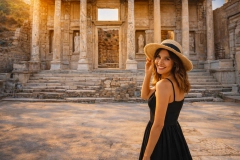
Ephesus Ancient City feels less like a ruin and more like a grand city waiting for its crowds to return. As you walk along the marble streets, the scale of the place becomes immediately clear through the Library of Celsus, the Great Theatre, and the long ceremonial avenues that once connected civic life, trade, and belief. Every corner reveals how powerful and sophisticated this Roman metropolis once was. It is easy to picture philosophers, merchants, and pilgrims moving through the same urban scene that now unfolds in front of you.
Give yourself time to slow down here, because Ephesus rewards careful attention rather than a rushed photo stop. Look at the carved details, the worn paving stones, and the way the city opens toward the theatre to understand how daily life was staged in public view. This is also one of the most evocative places in the region for travelers interested in early Christianity as well as classical history. By the end of the visit, Ephesus usually feels like one of the rare archaeological sites that is both monumental and deeply human.
House of Virgin MaryVisit pilgrimage site near Ephesus.
Traditionally associated with Mary's final years.
House of Virgin Mary offers a very different atmosphere from the larger archaeological sites around Ephesus. Reached through pine-covered hills, the sanctuary feels quiet, intimate, and reflective, with a mood that encourages visitors to lower their voices and simply take in the setting. For many travelers, the power of the place comes from this sense of calm as much as from its religious meaning. Whether you arrive for spiritual reasons or cultural curiosity, the stop often leaves a lasting impression.
This site is respected by both Christian and Muslim visitors, which gives it a rare interfaith significance in the region. You will notice small acts of devotion everywhere, from candles and prayers to the stillness people keep around the chapel. Instead of treating it as a checklist stop, it is worth pausing for a few quiet minutes to absorb the landscape and the emotion of the place. House of Virgin Mary is best experienced with respect, patience, and an openness to its deeply personal atmosphere.
Lunch Break near SelcukIncluded lunch during Ephesus route.
Lunch service is included in full-day guided itinerary.
Lunch Break Near Selcuk is a welcome pause after the intensity of the Ephesus area and before the next heritage stop. In this part of the Aegean, lunch is often shaped by olive oil, fresh herbs, village vegetables, light mezes, and uncomplicated grilled dishes that feel restorative rather than heavy. That style suits the route very well, especially when the day includes long walks through stone streets and sacred landmarks. The best meals here tend to feel simple, regional, and quietly memorable.
If you want to eat in a way that matches the landscape around you, look for zeytinyağlı plates, artichokes in olive oil, stuffed zucchini flowers, herb mezes, and a well-prepared köfte or grilled meat dish. The broader Selcuk region benefits from fertile Aegean produce, so freshness matters as much as seasoning. A lunch stop here is not only about resting your feet, but about tasting the softer side of western Türkiye after its monumental history. Done well, the meal becomes part of the cultural experience rather than a break from it.
Flight to IstanbulTransfer to Izmir airport and evening flight to Istanbul.
Flight returns route to Istanbul for final program days.
Istanbul Hotel Check-inOvernight check-in in Istanbul.
Overnight in Istanbul before final leisure and departure.
-
Day 9
Istanbul Free Day Start
B
Begin leisure day in Istanbul.
Free day allows optional museums, bazaars, and waterfront walks.
Sultanahmet and Bazaar Free TimeOptional independent exploration in old city.
Guests may revisit monuments and traditional market districts.
Istanbul OvernightFinal overnight before departure day.
Overnight setup supports smooth airport transfer on Day 10.
-
Day 10
Hotel Check-out Istanbul
B
Check out and begin departure transfer.
Departure timing is arranged according to international flight schedule.
Istanbul Airport TransferTransfer to departure terminal.
Final transfer marks end of package services.
Tour EndEnd of services at airport terminal.
Program concludes after final drop-off and farewell.
Got a question about this tour?
Reach out to our travel experts.
Informations
-
What's Included
- Hotel accommodations according to selected category
- Domestic flights listed in itinerary
- Professional licensed guide services on local group tours
- Meals as indicated (B breakfast, L lunch)
- Transportation with air-conditioned non-smoking vehicles on local tours
- English-speaking guided tours listed in itinerary
- Inbound and outbound airport transfers
- All taxes and listed museum/entrance fees unless otherwise stated
-
What's Excluded
- International flights
- Visa fees if required
- Tips to guide, driver, and hotel staff
- Topkapi Palace Harem and Treasury sections
- Travel insurance and personal expenses
- Optional activities not listed in itinerary
-
Entrance Fees
- Entrance fees for listed archaeological and museum visits are included in the package; optional sections and extra activities are paid directly by guests.
-
Travel Tips
- Bring comfortable walking shoes for archaeological sites
- layered clothing for early airport transfers
- and sun protection for open-air visits.
-
Note
- Some route sections include moderate walking on uneven terrain and may not be suitable for travelers with limited mobility.
Your Peace of Mind Options
Cancellation Policy
A transparent overview of applicable fees.
Customer Comments - Tripadvisor Write A Review!
Customer Comments - Tripadvisor


Tour Reminder!
You can create a reminder for yourself for this tour. We will send you a reminder e-mail/sms about this tour on the date you specify.
FAQs
-
What does the 10 Day Classic West Turkey Discovery Tour include?
- Hotel accommodation in the selected category
- Inbound and outbound airport transfers
- Domestic flights listed in the itinerary
- English-speaking guided tours listed in the itinerary (group)
- Professional licensed guide services on local group tours
- Transportation by air-conditioned non-smoking vehicles on tour days
- Meals as indicated (breakfast and selected lunches)
- All taxes and listed museum and entrance fees unless otherwise stated
-
Which destinations are covered on this 10-day itinerary?
- Istanbul: Old City highlights and free days for independent exploration
- Cappadocia: North Route and South Route touring
- Kusadasi base on the Aegean coast
- Pamukkale Travertines and Hierapolis
- Ephesus Ancient City, House of Virgin Mary, and Temple of Artemis
-
How much free time is included in Istanbul?
- The itinerary includes two leisure days in Istanbul (one early and one near the end)
- You can explore areas like Taksim, Istiklal, Galata, Karakoy, and Sultanahmet at your own pace
-
Are domestic flights included and can flight times change?
- Yes, domestic flights listed in the itinerary are included
- Flight times can change, so daily timing may be adjusted around confirmed schedules
-
Is the Cappadocia hot air balloon included?
- No, balloon rides are optional unless specifically listed
- Balloon flights are weather dependent and can be cancelled by authorities for safety
-
Are entrance fees included?
- Yes, listed museum and entrance fees are included unless otherwise stated
- Optional activities not listed in the itinerary are excluded
-
Are meals included on this tour?
- Meals are included as indicated (breakfast and selected lunches)
- Dinners, drinks, and personal expenses are not included unless stated
-
How physically demanding is the tour?
- Moderate walking at archaeological sites and in Cappadocia
- Uneven terrain and steps are common in Ephesus, Pamukkale, and the underground city
-
What should I pack for West Turkey touring?
- Comfortable walking shoes
- Sun protection for open-air sites
- Modest clothing for mosque visits in Istanbul
- A light jacket for early mornings in Cappadocia
-
What is not included in the tour price?
- International flights and visa fees if required
- Travel insurance and personal expenses
- Tips to guide, driver, and hotel staff
- Topkapi Palace Harem and Treasury sections
- Optional activities not listed in the itinerary
General FAQs
-
What currency is used in Turkey?
Turkey uses the Turkish Lira (TRY).
- Cards are widely accepted in cities and tourist areas, but cash is still useful for small purchases.
- ATMs are common. Exchange offices and banks are also available.
-
Can I pay by credit card in Turkey?
In most restaurants, hotels, and shops you can pay by card.
- For markets, small shops, taxis, and tips, carrying some cash is recommended.
- Let your bank know you are traveling to avoid card blocks.
-
Is Turkey safe for tourists?
Turkey is generally safe for visitors, especially in main tourist areas.
- As in any destination, watch out for pickpockets in crowded places.
- Use licensed taxis/transport where possible and keep valuables secure.
-
What should I wear when visiting mosques in Turkey?
Dress modestly when entering mosques.
- Shoulders and knees should be covered.
- Women may be asked to cover their hair.
- Shoes are usually removed at the entrance.
-
Do I need a visa to visit Turkey?
Visa requirements depend on your nationality.
- Please check the latest rules from official sources (consulate/embassy or the official e-visa portal) before travel.
-
What is the best time to visit Turkey?
Spring and autumn are popular because temperatures are usually milder.
- Summer can be hot on the coast and inland.
- Winter is quieter and can be great for cities and some regions.
-
Will English be enough in Turkey?
Turkish is the official language. In tourist areas, English is commonly spoken.
- Learning a few basic Turkish words is appreciated and can help outside major areas.
-
What power plug is used in Turkey?
Turkey typically uses Type C and Type F plugs (220V, 50Hz).
- If your devices use a different plug type, bring a travel adapter.
-
Is tap water safe to drink in Turkey?
In many places, visitors prefer bottled water.
- Hotels and restaurants usually provide bottled water easily.
-
Is tipping expected in Turkey?
Tipping is common and appreciated for good service.
- In restaurants, rounding up or leaving a small amount is typical.
- For guides and drivers, tips are at your discretion based on satisfaction.
-
Do I need to carry my passport in Turkey?
We recommend keeping your passport safely in your hotel and carrying a copy (photo or printed) when out.
- Some venues may request an ID; your guide can advise for your route.
-
Do museums and sites have weekly closure days in Turkey?
Opening hours can change by season and some venues may have weekly closure days.
- We recommend checking the latest opening hours close to your travel date.
- Starting earlier in the day helps to avoid crowds at popular sites.
-
What are the emergency numbers in Turkey?
Dial 112 for emergencies (medical, police, fire and other urgent situations).
- 112 is a unified emergency line in Turkey.
- If you do not speak Turkish, try English and share your location clearly.
-
How do I get from airports to the city in Turkey?
Options depend on the city, but common choices are:
- Official airport taxi
- Airport shuttles/buses
- Metro/train (available in some cities)
- Pre-booked private transfers
If you arrive late at night or with luggage, a pre-booked transfer can be the easiest option.
-
Are taxis and ride-hailing apps reliable in Turkey?
Use licensed taxis and make sure the meter is used (unless a fixed airport fare is confirmed).
- In some cities, taxi-hailing apps can help you find a taxi more easily.
- If possible, keep small cash and ask for a receipt when needed.
-
How do I buy a SIM/eSIM in Turkey?
You can buy SIM/eSIM options from mobile operators and official stores.
- Bring your passport for registration.
- For longer stays, foreign phones may require device registration (IMEI) to keep working on local networks.
-
What are typical opening hours in Turkey?
Opening hours vary by city and season.
- Many shops and malls stay open late, especially in tourist areas.
- Some museums may close earlier and may have weekly closure days.
- During national or religious holidays, hours can change.
-
How do pharmacies work in Turkey (duty pharmacy)?
Pharmacies are called Eczane. Outside normal hours, there is usually a rotating on-duty pharmacy (Nöbetçi Eczane).
- Regular pharmacies typically post the on-duty pharmacy information on the door/window.
- Your hotel reception can also help you find the nearest one.
Let's Customize Your Trip!
Prepare your own tour plan!
Good to Know
-
Good to know: the itinerary includes two Istanbul free days
- Plan your own wishlist for neighborhoods, museums, or shopping
- Ask your guide for local suggestions based on your interests
-
Good to know: keep a day bag ready for flight days
- Carry medications, valuables, and essentials with you
- A power bank is useful during transfers
-
Good to know: Pamukkale surfaces can be wet and smooth
- Travertines can be slippery
- Move carefully and use stable footwear
-
Good to know: dress codes apply in mosques
- Cover shoulders and knees
- A light scarf can be useful
-
Good to know: balloon rides are optional and weather dependent
- Flights can be cancelled for safety
- If it is important to you, consider reserving early
Want to read it later?
Download this tour’s PDF brochure and start tour planning offline
Similar Tours

Aegean Culture and Turkey Highlights Tour
Join a 10 Day Aegean Culture and Turkey Highlights Tour from Istanbul by flight and private car. Explore Istanbul old city, Cappadocia, Ephesus, Pamukkale-Hierapolis, then continue with leisure time in Bodrum and Marmaris.
Turkey Budget Discovery Circuit
Join a 9 Nights 10 Days Turkey Budget Discovery Circuit from Istanbul by public bus. Explore Istanbul Old City, Cappadocia, Pamukkale-Hierapolis, Aphrodisias, Ephesus, House of Virgin Mary, and Temple of Artemis with guided tours and transfers.
Turkey First-Time Highlights Tour
Experience a 9 Nights 10 Days Turkey First-Time Highlights Tour from Istanbul by domestic flights. Visit Istanbul Old City and Princes Island, then discover Cappadocia, Kusadasi-Ephesus, Pamukkale-Hierapolis, and return to Istanbul with guided tours.
Western Turkey Culture and Leisure Tour
Experience a 9 Nights 10 Days Western Turkey Culture and Leisure Tour from Istanbul by flight. Visit Old City Istanbul, Cappadocia highlights, Ephesus Ancient City, House of Virgin Mary, and enjoy Bodrum leisure days with guided regional tours and transfers.


