Seven Churches of Asia Minor Tour

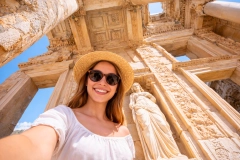
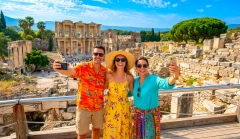
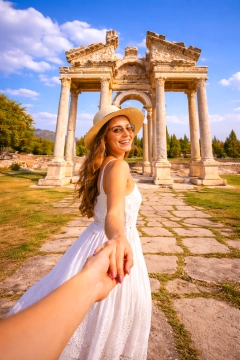
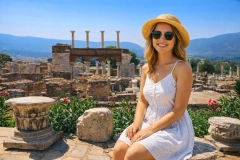

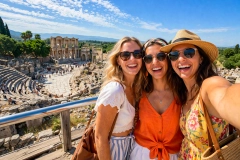
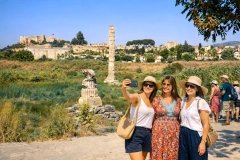
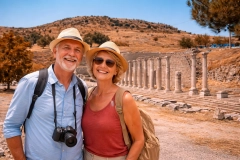
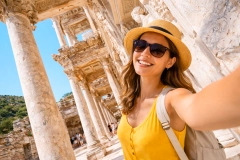
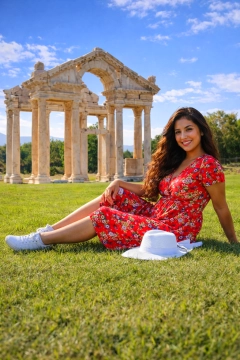
Join a 3 Nights 4 Days Seven Churches of Asia Minor journey from Bodrum with a private car. Visit Ephesus, Laodicea, Pergamum, Sardis, Philadelphia, Thyatira and Smyrna, including Pamukkale and the House of Virgin Mary.
Highlights
- Pamukkale Travertines and Hierapolis, a UNESCO-listed healing city
- Laodicea, one of the key Revelation churches near Denizli
- Philadelphia, Sardis and Thyatira on a single biblical corridor
- Pergamum Acropolis, Asklepion and St. Polycarp Church in Izmir
- Ephesus Ancient City, Temple of Artemis and House of Virgin Mary

Seven Churches of Asia Minor Tour
Join a 3 Nights 4 Days Seven Churches of Asia Minor journey from Bodrum with a private car. Visit Ephesus, Laodicea, Pergamum, Sardis, Philadelphia, Thyatira and Smyrna, including Pamukkale and the House of Virgin Mary.
Itinerary
This route is designed for travelers who want a complete Seven Churches of Revelation Tour Turkey experience without rushing between major biblical sites. Starting in Bodrum, the program follows the historical sequence through Pamukkale, Pergamum, and Ephesus with comfortable overnights. You explore the remains of early Christian communities while also seeing iconic archaeological landmarks. The itinerary combines sacred history, Roman city planning, and regional culture in one focused plan. For guests searching for a meaningful Biblical Turkey Tour, this package offers both depth and practical logistics.
On the road, you visit Laodicea, Sardis, Philadelphia, Thyatira, Smyrna, and Pergamum, each connected to the Book of Revelation and early church history. The route also includes Pamukkale and Hierapolis, where thermal formations and ancient ruins create a strong visual contrast to the church-focused stops. In Ephesus, the Celsus Library, Great Theatre, and marble streets complete the historical perspective of the tour. The House of Virgin Mary adds a spiritual point that many Christian travelers prioritize in Western Turkey. This combination makes the program a strong choice for people seeking a detailed Ephesus and Seven Churches Tour.
Transportation is organized with a private vehicle, helping you manage multi-day distances from Bodrum in a smooth and efficient way. Because the tour is spread across 3 Nights and 4 Days, you can spend real time at each location instead of only taking short photo stops. The schedule is especially suitable for church groups, faith-based travelers, and visitors interested in archaeology with biblical context. If your goal is to cover the major Revelation locations in one coherent route, this plan delivers a clear structure. As a result, it stands out as a practical 4 Day Seven Churches Tour from Bodrum with balanced history, faith, and comfort.
-
Day 1
Pamukkale
Drive from Bodrum to Pamukkale for the first biblical route day.
After hotel pickup in Bodrum, begin the overland journey toward Pamukkale and start your Seven Churches program.
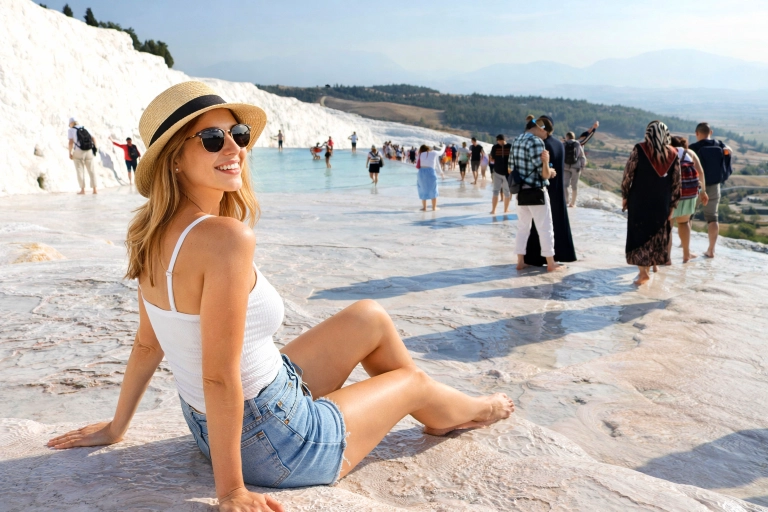
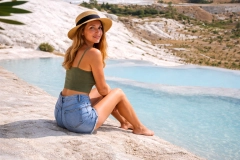
Pamukkale TravertinesWalk on the iconic white terraces of Pamukkale.
Pamukkale travertines form one of Turkey's most recognizable natural landscapes with mineral-rich thermal waters.
Pamukkale Travertines look almost unreal when you first see them, with white mineral terraces cascading down the hillside like frozen clouds. As you walk through the area, the contrast between bright stone, shallow thermal pools, and wide valley views creates one of the most memorable natural scenes in Turkey. The nickname Cotton Castle makes immediate sense once the formations appear in front of you. Even travelers who have seen many famous landmarks are often surprised by how striking Pamukkale feels in person.
This is a place to enjoy slowly rather than rush through, because the beauty changes with the light and with every shift in perspective. The warm water, the smooth surfaces, and the open sky give the visit a calm rhythm that feels very different from a museum or city monument. It is also one of those rare destinations where photography is easy, but simply standing still for a moment can be even better. Seen together with nearby Hierapolis, the travertines become more than a natural wonder and start to feel like part of a complete travel experience.
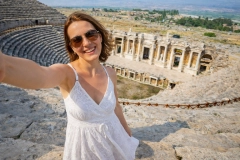
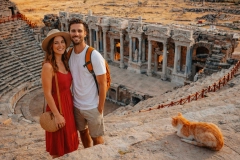
Hierapolis Ancient CityVisit the Roman-era healing city above the terraces.
Hierapolis preserves major Roman structures including theater, necropolis zones and monumental gateways.
Hierapolis Ancient City rises above Pamukkale like the stone memory of an ancient healing world. The city was built around thermal waters, and as you explore its streets, gates, baths, necropolis, and theatre, you can feel how strongly health, belief, and urban life were connected here. The ruins are broad and open, giving the site a powerful sense of scale. It is the kind of place where the landscape and the archaeology constantly speak to each other.
What makes Hierapolis especially rewarding is that it does not offer only one highlight, but a full historical setting to move through step by step. One moment you are looking at a monumental theatre, and the next you are imagining pilgrims, patients, and traders arriving in a famous spa city of the ancient world. The nearby thermal formations make the experience feel even more distinctive, because the natural wonder and the ancient settlement belong to the same story. For travelers who enjoy ruins with atmosphere, Hierapolis feels expansive, layered, and surprisingly vivid.
Lunch Break in PamukkaleLunch stop during the Day 1 sightseeing route.
A planned lunch break is provided between the Pamukkale and Laodicea site visits.
Lunch Break in Pamukkale gives you the perfect excuse to taste the flavors of Denizli while resting between terraces, ruins, and thermal stops. The local table combines the herb-rich habits of the Aegean with stronger inland specialties, so lunch here can be both fresh and deeply satisfying. After a morning in the sun and on stone paths, this kind of regional meal feels especially welcome. It is a stop where local food can add real character to the route instead of being just a practical break.
If you see it on the menu, Denizli kebab is the classic dish to try, known for slow-roasted lamb and a very local style of serving. You can also look for vegetable plates, black-eyed pea salads, herb dishes, and regional touches built around thyme and sage, which are strongly associated with the area. For something sweet afterward, semolina helva with ice cream is a very fitting finish. A good lunch in Pamukkale should leave you rested, well fed, and ready for the next historical or thermal stop.
Laodicea Ancient CityExplore one of the Seven Churches of Revelation.
Laodicea was a prosperous city of early Christianity and is referenced directly in the Book of Revelation.
Laodicea Ancient City combines biblical importance with the scale of a major urban archaeological site. Mentioned in the Book of Revelation, Laodicea carries strong meaning for travelers interested in early Christianity, but its appeal goes well beyond that because the city's remains reveal wealth, ambition, and a broad civic landscape. Walking through the site, you can sense how substantial and influential this center once was in the Lycus Valley. It feels both spiritually significant and historically expansive.
The visit is especially rewarding because Laodicea does not rely on one iconic monument alone. Streets, church remains, urban structures, and the wider setting all work together to show a city that mattered deeply in both religious and regional terms. The atmosphere can feel more open and less crowded than some better-known biblical sites, which often makes the experience stronger. Laodicea invites travelers to slow down and absorb its layered identity rather than rush through it.
Hotel Check-in PamukkaleOvernight in Pamukkale after Day 1 visits.
Transfer to your hotel and overnight in Pamukkale to continue the biblical route the next morning.
-
Day 2
Manisa
Continue to Philadelphia, Sardis and Thyatira in one route day.
Depart from Pamukkale and follow the biblical corridor across the Manisa region.
Philadelphia (Alasehir)Visit the Philadelphia church location.
Philadelphia was one of the Seven Churches and remains a key stop for Revelation-focused itineraries.
Philadelphia (Alasehir) carries special meaning for travelers following the Seven Churches route. The name may not have the monumental fame of Ephesus or Sardis, but its biblical significance gives the stop a distinct place within early Christian memory and the Book of Revelation. That alone changes how the landscape is experienced. The site feels less about spectacle and more about spiritual continuity and historical resonance.
What makes Philadelphia rewarding is the way it broadens the biblical itinerary beyond the most famous names. It reminds travelers that early Christianity developed through a network of cities with different scales, communities, and identities. Even when the physical remains are not overwhelming, the historical and devotional value remains strong. Philadelphia is best experienced as part of that wider sacred geography.
Sardis Ancient CityExplore the former capital of Lydia.
Sardis combines strong biblical significance with major remains from Lydian, Persian and Roman periods.
Sardis Ancient City brings together royal, biblical, and multicultural layers in a way that few sites can match. As the capital of ancient Lydia, Sardis carries the prestige of political power and wealth, yet it also speaks strongly to travelers interested in the Seven Churches tradition and the wider religious history of Anatolia. That combination gives the site unusual depth from the start. It feels historically important on more than one level at once.
The ruins become especially rewarding when you think about the range of communities and empires connected to this place over time. Lydian identity, Persian influence, Roman urban life, Jewish heritage, and early Christian memory all leave traces in the historical story of Sardis. Even when the remains appear quiet, the background is remarkably rich. Sardis is a stop that rewards travelers who enjoy sites with layered meaning rather than a single simple narrative.
Lunch Break in Manisa RegionLunch stop between Sardis and Thyatira.
A route lunch break is scheduled before the final site visit of the day.
A lunch break in the Manisa region fits naturally into the western Anatolian route between Sardis, Thyatira, and the surrounding historical corridor. The area gives the day a more grounded inland Aegean pause after major archaeological and biblical sites. This makes the stop feel less like a generic break and more like part of the region's everyday rhythm. It is a sensible and comfortable midpoint.
For food, inland Aegean cooking is usually the most satisfying choice. Olive-oil dishes, grilled meats, meze, soups, and simple regional plates all work well here, especially when served without too much formality. The goal is to keep the meal flavorful but practical before continuing to the next site. It is a lunch stop that supports the route well.
Thyatira (Akhisar)Visit the Thyatira church area in Akhisar.
Thyatira was known for trade guilds and appears among the Seven Churches in Revelation.
Thyatira (Akhisar) is one of the more understated but important stops on the Seven Churches route. Its significance comes less from monumental spectacle and more from the role it played in early Christian history and in the network of cities addressed in the Book of Revelation. That gives the visit a different kind of weight, one built on continuity, faith, and historical memory. It is a place where travelers often find meaning through context rather than scale.
What makes Thyatira rewarding is precisely that sense of being part of a wider sacred geography. The stop helps complete the biblical landscape of western Anatolia by reminding you that early Christianity developed through multiple urban communities, not only the most famous centers. Even when the physical remains are modest, the spiritual and historical relevance remains strong. Thyatira is best appreciated as a key piece of the larger Seven Churches story.
Hotel Check-in Manisa/IzmirOvernight in the Manisa/Izmir region.
After the day's biblical visits, transfer to your hotel for overnight stay.
-
Day 3
Pergamum
Visit Pergamum highlights and continue via Izmir to Kusadasi.
Today's route covers Pergamum's major sites, then continues to Izmir and Kusadasi.
Pergamum AcropolisDiscover the upper city and monumental hilltop complex.
Pergamum Acropolis stands out with commanding views and major Hellenistic-Roman remains.
Pergamum Acropolis carries the same dramatic power that makes the Pergamon hilltop so memorable. The terraces, theatre, royal setting, and commanding outlook over the surrounding land immediately suggest a city built to project influence. It is a site where political ambition and landscape work together with unusual force. Even before you focus on individual ruins, the setting itself already feels historic and ceremonial.
As you explore, it becomes easier to imagine Pergamum not just as an archaeological zone, but as a major center of culture, learning, and rulership in the Hellenistic world. The combination of steep topography and monumental remains gives the visit a strong identity that few other sites can match. It is a place that feels elevated in every sense of the word. For travelers, Pergamum often becomes one of the standout ancient capitals of the journey.
Asklepion of PergamumVisit the renowned ancient healing center.
Asklepion was one of the ancient world's respected medical sanctuaries and learning centers.
The Asklepion of Pergamum is one of the ancient world's great healing centers, a place where medicine, ritual, and architecture came together in remarkable ways. Visiting the sanctuary gives you a more human view of antiquity, because the focus here is care, recovery, and the search for wellbeing. The site's reputation once drew people from far beyond the region, which helps explain its prestige and complexity. Even today, the atmosphere encourages curiosity because its purpose feels surprisingly modern in some ways. It is one of Pergamum's most distinctive and rewarding sites.
As you explore, imagine how patients would have experienced the sanctuary as both a place of hope and a place of specialized knowledge. The architecture and pathways help reveal how treatment was shaped by environment, belief, and learned practice. Travelers often enjoy the Asklepion because it adds a fresh perspective to classical history beyond temples and theatres. It also pairs beautifully with the acropolis, showing another side of Pergamum's influence and sophistication. The visit is thoughtful, atmospheric, and historically rich.
Lunch Break in PergamumLunch stop during the Pergamum program.
A scheduled lunch break is included between the Pergamum visits and Izmir transfer.
A lunch break in Pergamum fits naturally within a day of major archaeological discoveries, giving you time to rest while staying within the cultural atmosphere of the route. The region around Bergama offers a practical but also rewarding meal stop, especially if you want something rooted in western Anatolian food traditions. After time at the acropolis or healing sanctuary, a midday pause here usually feels well deserved. It is a chance to slow down without leaving the character of the day behind. Even a simple lunch becomes part of the Pergamum experience.
If local options are available, look for grilled meats, vegetable dishes cooked with olive oil, soups, pide, or village-style home cooking that reflects the Aegean interior. Bergama's food will often feel more rustic and grounded than coastal resort fare, which suits the historical setting well. Travelers often find these lunch breaks useful not only for rest, but for adding another regional note to the day. The key is to keep it satisfying and unhurried. Pergamum rewards substance over fuss.
St. Polycarp Church (Izmir)Visit one of Izmir's most important Christian landmarks.
St. Polycarp Church represents deep early Christian heritage linked to Smyrna's history.
St. Polycarp Church (Izmir) is one of the key Christian landmarks in the city and an important stop for travelers following the biblical heritage of the region. The church helps reveal another side of Izmir, one that reaches back to the early centuries of Christianity and the community of ancient Smyrna. Its scale feels personal rather than overwhelming, which makes the experience more contemplative. You are not simply visiting a building, but stepping into a place shaped by memory, devotion, and continuity.
The association with Saint Polycarp gives the visit a particularly strong historical resonance. For visitors interested in the Seven Churches tradition and early church history, this is a meaningful connection point within the wider western Anatolian route. The interior atmosphere, decorative elements, and historical identity together make the stop feel calm and substantial. Even a brief visit can deepen your sense of Izmir's spiritual and cultural layers.
Transfer to KusadasiRoad transfer for overnight in Kusadasi.
After Izmir visit, continue south and settle in Kusadasi for the final tour day.
Hotel Check-in KusadasiOvernight in Kusadasi before Ephesus day.
Check in at your Kusadasi hotel and prepare for the final biblical sites tomorrow.
-
Day 4
Ephesus
Complete the tour with Ephesus route and return to Bodrum.
Depart from Kusadasi and visit the final major biblical and classical highlights.
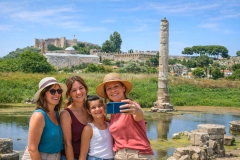
Temple of ArtemisStop at the remains of one of the Seven Wonders.
Temple of Artemis preserves the legacy of one of antiquity's most celebrated monuments.
Temple of Artemis asks for a little imagination, but that is part of what makes the stop so interesting. This was once celebrated as one of the Seven Wonders of the Ancient World, and even though only limited remains stand today, the historical importance of the site is enormous. Standing in the plain near Selcuk, you are not just looking at stones, but at the memory of a sanctuary that drew pilgrims, wealth, and admiration from across the ancient Mediterranean. The contrast between its former fame and its present quietness gives the place a very distinctive character.
Travelers who rush may miss the value of this stop, so it helps to approach it as a place of historical imagination rather than monumental spectacle. Think about how the sanctuary once related to nearby Ephesus and how sacred architecture shaped the prestige of the region. The open landscape around the site also makes it easier to sense how large and symbolically important the temple must once have been. For anyone interested in the ancient world, Temple of Artemis offers a reflective and unexpectedly memorable pause.
Ephesus Ancient CityGuided walk through the monumental ancient city.
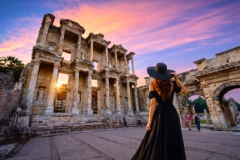
Ephesus is among the best-preserved Roman cities, known for Celsus Library and Great Theatre.
Ephesus Ancient City feels less like a ruin and more like a grand city waiting for its crowds to return. As you walk along the marble streets, the scale of the place becomes immediately clear through the Library of Celsus, the Great Theatre, and the long ceremonial avenues that once connected civic life, trade, and belief. Every corner reveals how powerful and sophisticated this Roman metropolis once was. It is easy to picture philosophers, merchants, and pilgrims moving through the same urban scene that now unfolds in front of you.
Give yourself time to slow down here, because Ephesus rewards careful attention rather than a rushed photo stop. Look at the carved details, the worn paving stones, and the way the city opens toward the theatre to understand how daily life was staged in public view. This is also one of the most evocative places in the region for travelers interested in early Christianity as well as classical history. By the end of the visit, Ephesus usually feels like one of the rare archaeological sites that is both monumental and deeply human.
Lunch Near EphesusLunch stop between Ephesus and Virgin Mary House.
Lunch is planned before the final sacred stop of the itinerary.
A lunch near Ephesus is one of the more satisfying meal stops on the route, because it sits between major biblical and archaeological highlights and lets you pause without leaving the historical atmosphere behind. The region around Selcuk suits this kind of break very well. After Ephesus and before the House of Virgin Mary, lunch can feel like a natural midpoint rather than an interruption. It is a useful reset before the final sacred stop. The timing makes the meal especially welcome.
If local options are available, look for Aegean meze, olive-oil dishes, grilled meats, gözleme, salads, or lighter regional plates that fit a warm day of sightseeing. Selcuk-area meals often work best when they stay simple and fresh rather than too heavy. Travelers usually appreciate this stop because it helps keep the day balanced while still reflecting the local table. It is a good moment to slow the pace for a while. Near Ephesus, lunch should feel easy and regionally grounded.
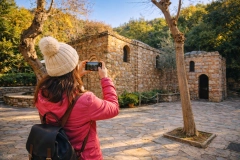
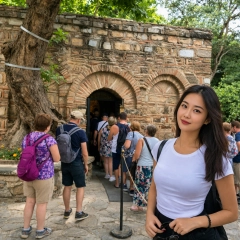
House of Virgin MaryVisit the revered pilgrimage site near Ephesus.
The House of Virgin Mary remains one of the region's most important Christian pilgrimage points.
House of Virgin Mary offers a very different atmosphere from the larger archaeological sites around Ephesus. Reached through pine-covered hills, the sanctuary feels quiet, intimate, and reflective, with a mood that encourages visitors to lower their voices and simply take in the setting. For many travelers, the power of the place comes from this sense of calm as much as from its religious meaning. Whether you arrive for spiritual reasons or cultural curiosity, the stop often leaves a lasting impression.
This site is respected by both Christian and Muslim visitors, which gives it a rare interfaith significance in the region. You will notice small acts of devotion everywhere, from candles and prayers to the stillness people keep around the chapel. Instead of treating it as a checklist stop, it is worth pausing for a few quiet minutes to absorb the landscape and the emotion of the place. House of Virgin Mary is best experienced with respect, patience, and an openness to its deeply personal atmosphere.
Return to BodrumFinal transfer back to Bodrum after the tour.
After completing all route visits, return to Bodrum for tour conclusion and drop-off.
Got a question about this tour?
Reach out to our travel experts.
Informations
-
What's Included
- Private licensed professional tour guide
- Private A/C vehicle with experienced driver
- Hotel pick-up and drop-off from Bodrum
- Parking fees and local road taxes
- Operational support throughout the route
-
What's Excluded
- Entrance fees to museums and archaeological sites
- Hotel accommodation
- Lunches and drinks
- Personal expenses
- Tips for guide and driver
-
Entrance Fees
- Pamukkale and Hierapolis entrance
- Laodicea Ancient City entrance
- Sardis Ancient City entrance
- Pergamum Acropolis and Asklepion entrances
- Ephesus Ancient City entrance
- House of Virgin Mary entrance
-
Travel Tips
- Wear comfortable walking shoes for uneven archaeological surfaces
- Use a hat, sunscreen and water bottle in warm seasons
- Carry a light jacket for early morning departures and evening returns
- Bring your camera, but avoid tripod use where restricted
- Keep some Turkish Lira or card ready for site facilities
-
Note
- Route timing may be adjusted based on traffic and seasonal conditions
- Site order can change when operationally required, while coverage remains the same
- This tour includes long sightseeing days and moderate walking
- Detailed confirmation and final timing are shared after booking
Your Peace of Mind Options
Cancellation Policy
A transparent overview of applicable fees.
Customer Comments - Tripadvisor Write A Review!
Customer Comments - Tripadvisor


Tour Reminder!
You can create a reminder for yourself for this tour. We will send you a reminder e-mail/sms about this tour on the date you specify.
FAQs
-
What does the 4 Day Seven Churches of Revelation tour from Bodrum include?
- Private licensed professional tour guide
- Private A/C vehicle with experienced driver
- Pickup and drop-off in Bodrum
- Route coverage across Pamukkale, Laodicea, Philadelphia, Sardis, Thyatira, Pergamum, Smyrna (Izmir) and Ephesus area
- Operational support throughout the route
-
Are hotels included? How many nights are there?
- This program is 3 Nights / 4 Days
- Hotel accommodation is not included unless stated otherwise
- We can recommend suitable hotels in Pamukkale, Manisa/Izmir area, and Kusadasi
-
Which sites are visited day by day?
- Day 1: Pamukkale Travertines, Hierapolis, Laodicea (overnight Pamukkale)
- Day 2: Philadelphia (Alasehir), Sardis, Thyatira (overnight Manisa/Izmir)
- Day 3: Pergamum Acropolis, Asklepion, St Polycarp Church, transfer to Kusadasi (overnight Kusadasi)
- Day 4: Temple of Artemis, Ephesus, House of Virgin Mary, return to Bodrum
-
Are entrance fees included?
- Entrance fees to museums and archaeological sites are not included unless stated otherwise
- Fees are typically paid on site
- Your guide can advise the expected costs on the day
-
Are meals included?
- Lunches and drinks are not included unless stated otherwise
- Breakfast depends on your chosen hotel plan
- Your guide can recommend lunch stops suitable for your preferences
-
Is this tour suitable for seniors or travelers with mobility concerns?
- This itinerary includes long sightseeing days and moderate walking
- Many sites have uneven stone paths, steps, and open-air walking
- We can slow the pace and adjust walking sections, but the route remains full
-
What should we pack for this 4-day itinerary?
- Comfortable walking shoes (uneven archaeological surfaces)
- Hat, sunscreen, and refillable water bottle in warm seasons
- Light jacket for early departures and evenings
- Small day bag for essentials and a phone power bank
-
What time does the tour start each day?
- Daily start times depend on hotel location and route distance
- Some days start early to keep the day comfortable and complete the full itinerary
- Final timing is shared after booking confirmation
-
Can the itinerary order change?
- Yes, route timing may be adjusted due to traffic, weather, and seasonal conditions
- Site order can change when operationally required while keeping full coverage
- Your guide will inform you of the best daily plan
-
Is this a private tour or a group tour?
- This program is operated with private guide and private vehicle service
- It is designed to keep pacing flexible and explanations personal
General FAQs
-
What currency is used in Turkey?
Turkey uses the Turkish Lira (TRY).
- Cards are widely accepted in cities and tourist areas, but cash is still useful for small purchases.
- ATMs are common. Exchange offices and banks are also available.
-
Can I pay by credit card in Turkey?
In most restaurants, hotels, and shops you can pay by card.
- For markets, small shops, taxis, and tips, carrying some cash is recommended.
- Let your bank know you are traveling to avoid card blocks.
-
Is Turkey safe for tourists?
Turkey is generally safe for visitors, especially in main tourist areas.
- As in any destination, watch out for pickpockets in crowded places.
- Use licensed taxis/transport where possible and keep valuables secure.
-
What should I wear when visiting mosques in Turkey?
Dress modestly when entering mosques.
- Shoulders and knees should be covered.
- Women may be asked to cover their hair.
- Shoes are usually removed at the entrance.
-
Do I need a visa to visit Turkey?
Visa requirements depend on your nationality.
- Please check the latest rules from official sources (consulate/embassy or the official e-visa portal) before travel.
-
What is the best time to visit Turkey?
Spring and autumn are popular because temperatures are usually milder.
- Summer can be hot on the coast and inland.
- Winter is quieter and can be great for cities and some regions.
-
Will English be enough in Turkey?
Turkish is the official language. In tourist areas, English is commonly spoken.
- Learning a few basic Turkish words is appreciated and can help outside major areas.
-
What power plug is used in Turkey?
Turkey typically uses Type C and Type F plugs (220V, 50Hz).
- If your devices use a different plug type, bring a travel adapter.
-
Is tap water safe to drink in Turkey?
In many places, visitors prefer bottled water.
- Hotels and restaurants usually provide bottled water easily.
-
Is tipping expected in Turkey?
Tipping is common and appreciated for good service.
- In restaurants, rounding up or leaving a small amount is typical.
- For guides and drivers, tips are at your discretion based on satisfaction.
-
Do I need to carry my passport in Turkey?
We recommend keeping your passport safely in your hotel and carrying a copy (photo or printed) when out.
- Some venues may request an ID; your guide can advise for your route.
-
Do museums and sites have weekly closure days in Turkey?
Opening hours can change by season and some venues may have weekly closure days.
- We recommend checking the latest opening hours close to your travel date.
- Starting earlier in the day helps to avoid crowds at popular sites.
-
What are the emergency numbers in Turkey?
Dial 112 for emergencies (medical, police, fire and other urgent situations).
- 112 is a unified emergency line in Turkey.
- If you do not speak Turkish, try English and share your location clearly.
-
How do I get from airports to the city in Turkey?
Options depend on the city, but common choices are:
- Official airport taxi
- Airport shuttles/buses
- Metro/train (available in some cities)
- Pre-booked private transfers
If you arrive late at night or with luggage, a pre-booked transfer can be the easiest option.
-
Are taxis and ride-hailing apps reliable in Turkey?
Use licensed taxis and make sure the meter is used (unless a fixed airport fare is confirmed).
- In some cities, taxi-hailing apps can help you find a taxi more easily.
- If possible, keep small cash and ask for a receipt when needed.
-
How do I buy a SIM/eSIM in Turkey?
You can buy SIM/eSIM options from mobile operators and official stores.
- Bring your passport for registration.
- For longer stays, foreign phones may require device registration (IMEI) to keep working on local networks.
-
What are typical opening hours in Turkey?
Opening hours vary by city and season.
- Many shops and malls stay open late, especially in tourist areas.
- Some museums may close earlier and may have weekly closure days.
- During national or religious holidays, hours can change.
-
How do pharmacies work in Turkey (duty pharmacy)?
Pharmacies are called Eczane. Outside normal hours, there is usually a rotating on-duty pharmacy (Nöbetçi Eczane).
- Regular pharmacies typically post the on-duty pharmacy information on the door/window.
- Your hotel reception can also help you find the nearest one.
Let's Customize Your Trip!
Prepare your own tour plan!
Good to Know
-
Good to know: choose hotels close to the next day route
- Pamukkale, Manisa/Izmir area, and Kusadasi are chosen to reduce daily driving
- Staying in the planned overnight hubs helps keep sightseeing time comfortable
-
Good to know: plan cash and cards for site payments
- Entrance fees and small facilities may require on-site payment
- Keep some Turkish Lira or a card ready for convenience
-
Good to know: respect dress codes at religious sites
- Some churches and sacred places may require respectful attire
- Carry a light layer or scarf to be prepared
-
Good to know: pacing and hydration matter
- Four days of archaeology can be tiring
- Short breaks and regular water stops make the experience much better
-
Good to know: photography rules vary by site
- Some museums restrict flash or tripod use
- Follow signage and staff guidance on the day
Want to read it later?
Download this tour’s PDF brochure and start tour planning offline
Similar Tours

Ionian Ancient Cities and Temples Tour
Discover Western Anatolia on a 1 Night 2 Days Ionian Ancient Cities and Temples Tour from Bodrum by private car, covering Didyma Apollo Temple, Miletus, Priene, Ephesus, House of Virgin Mary and Artemis Temple.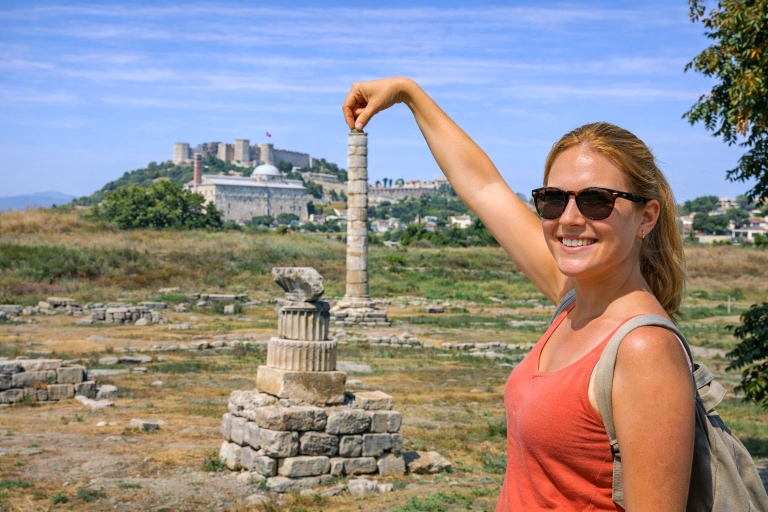
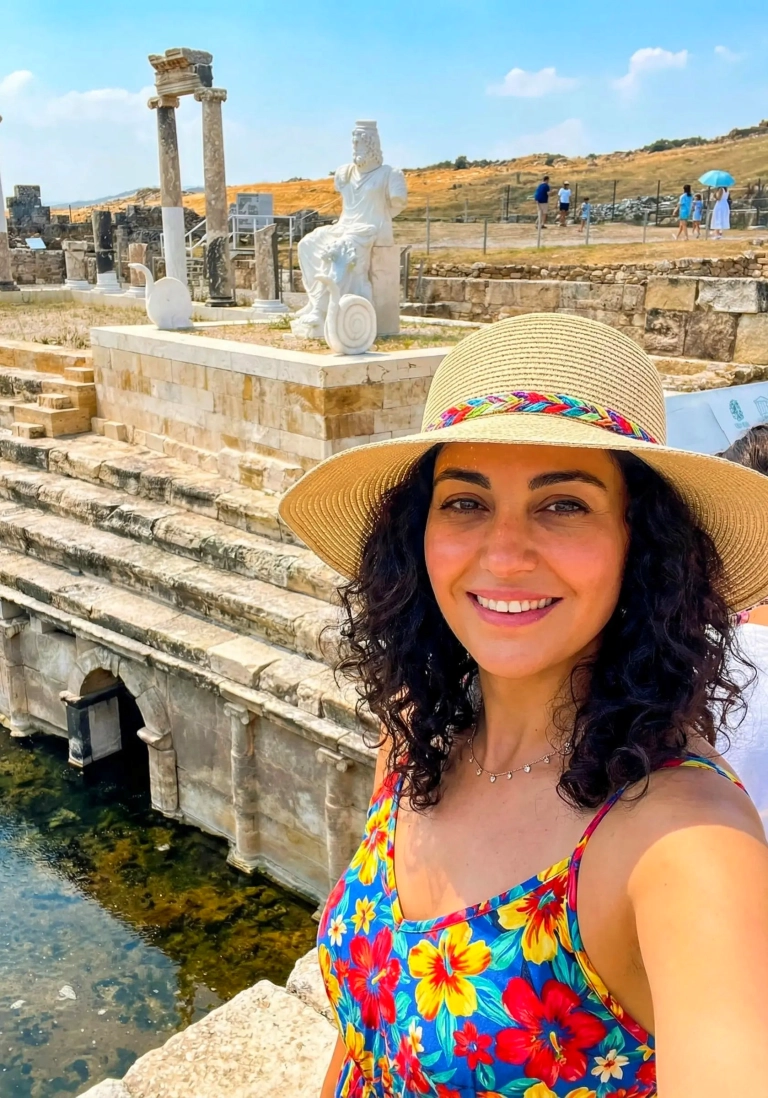
Pamukkale and Aphrodisias Heritage Tour
Join a 1 Night 2 Days Pamukkale and Aphrodisias Heritage Tour from Bodrum by private car. Visit Aphrodisias archaeological site and museum, then explore Pamukkale travertines, Hierapolis and Cleopatra Pool.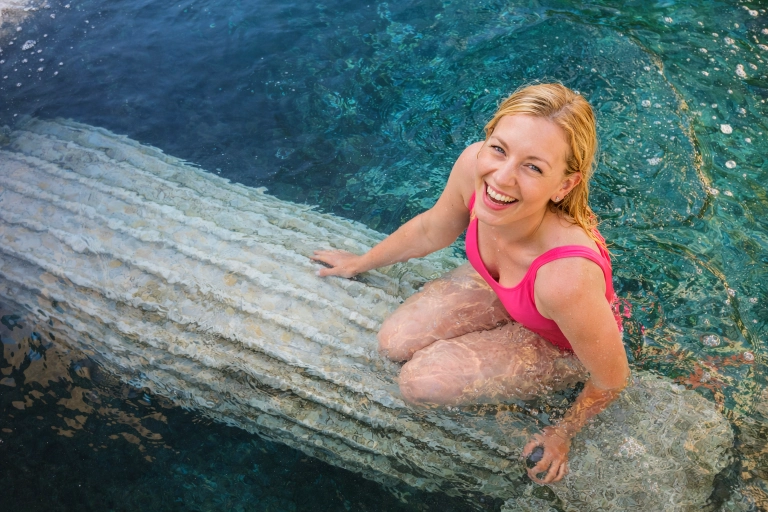
Pamukkale and Ephesus Heritage Tour
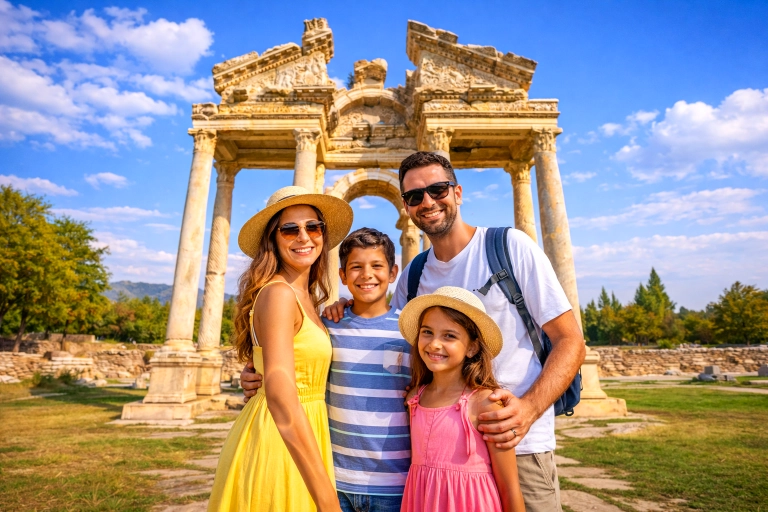
Take a 1 Night 2 Days Pamukkale and Ephesus Heritage Tour from Bodrum by private car. Visit Pamukkale white travertines, Hierapolis, Cleopatra Pool, Ephesus Ancient City, House of Virgin Mary and Temple of Artemis.