
Pamukkale Travertines and Hierapolis Discovery
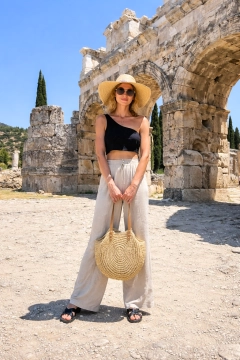
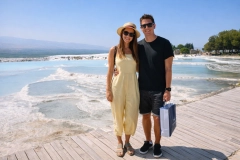


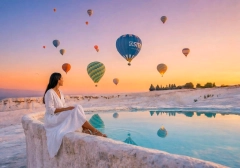
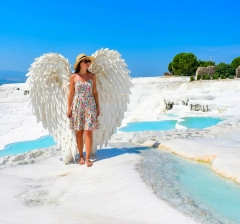
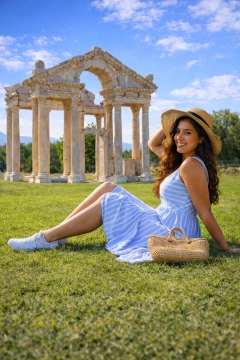
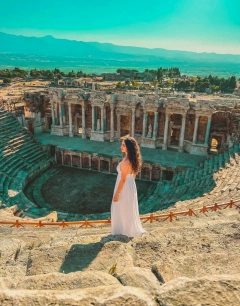
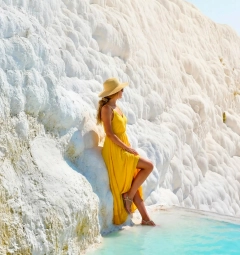



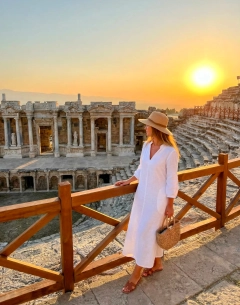
Join a private full-day 6-hour Pamukkale tour with licensed guide support, including white calcium terraces, Hierapolis ancient city, Necropolis, and the Cleopatra Pool area.
Highlights
- Walk Pamukkale white travertines shaped by mineral-rich thermal waters
- Explore Hierapolis ruins including theater, necropolis, and sacred urban zones
- Enjoy optional free time at Cleopatra Pool with warm spring-water atmosphere
- Travel privately from Pamukkale with efficient timing and guided interpretation

Pamukkale Travertines and Hierapolis Discovery
Join a private full-day 6-hour Pamukkale tour with licensed guide support, including white calcium terraces, Hierapolis ancient city, Necropolis, and the Cleopatra Pool area.
Itinerary
This private route is designed for travelers who want to focus on Pamukkale’s most iconic landmarks in one efficient day. Pickup is available from Pamukkale hotels or Cardak Airport, and transportation is provided by a private deluxe A/C vehicle. A licensed guide accompanies every stop and explains both geological and historical context clearly. The itinerary runs as a structured Pamukkale travertines tour with practical timing from morning to afternoon. It is a strong option for guests looking for a complete and comfortable heritage experience in the region.
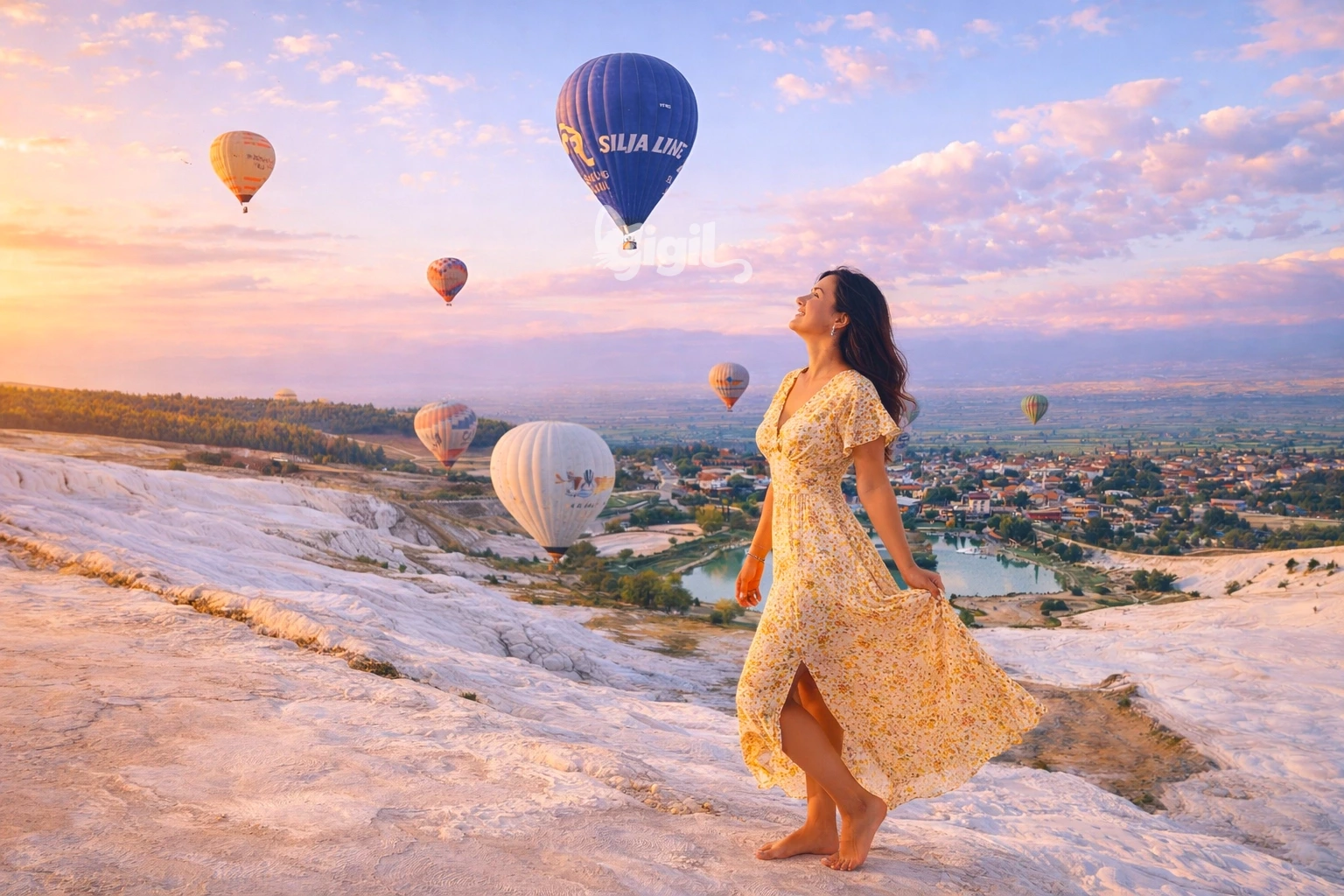
The first major highlight is the famous white terrace zone formed by mineral-rich thermal waters over centuries. Guests walk through the terraces and observe the unique basins that make this area globally recognized. This section is ideal for visitors searching for a scenic Pamukkale calcium terraces and Necropolis combination in a single route. The guide explains how the thermal system shaped the landscape and why the site became a long-standing healing destination. You also get time for photos and short pauses at key viewpoints.
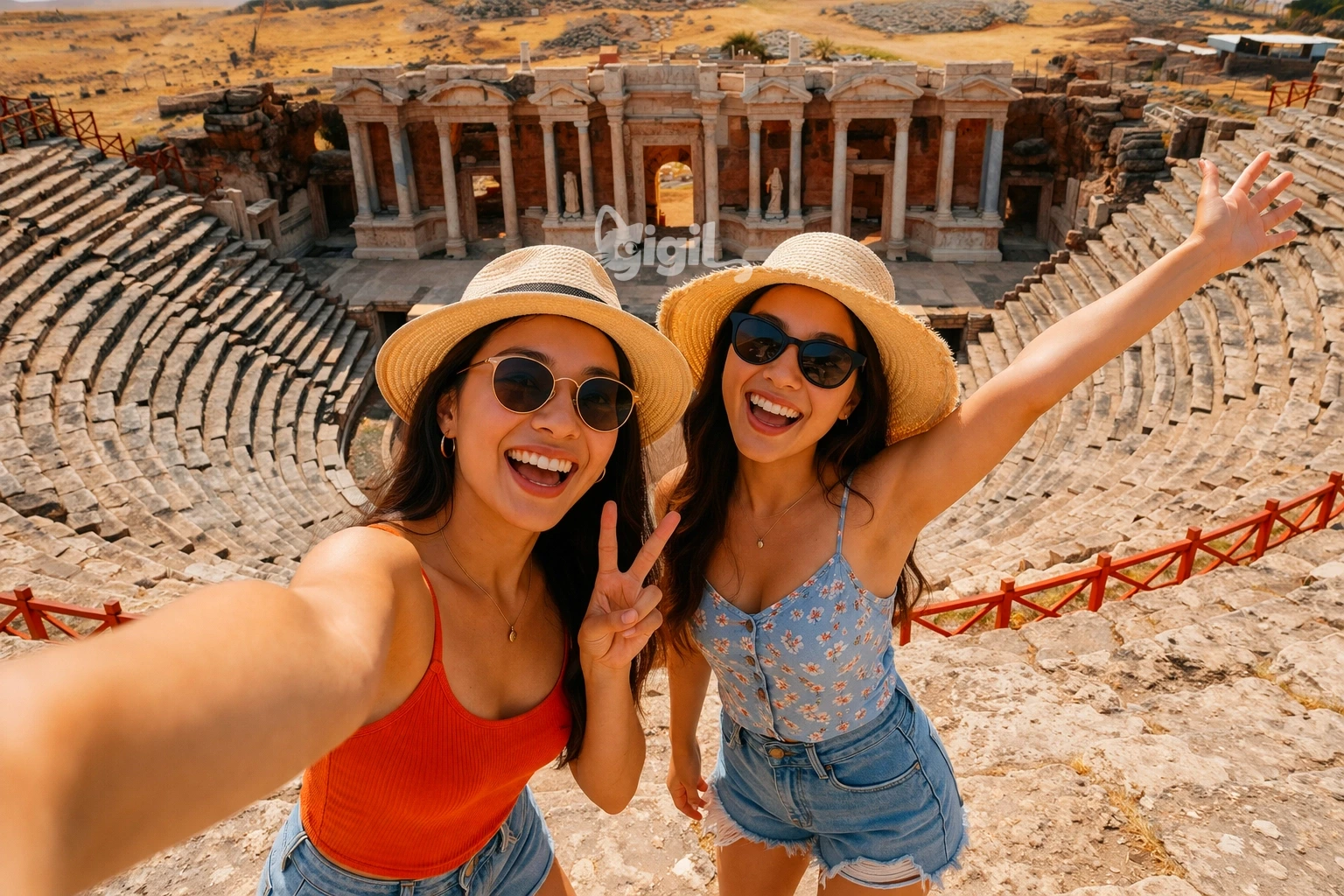
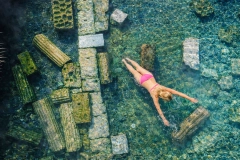
After the terraces, the route continues to Hierapolis where you can see major ruins such as the Necropolis and the grand theater remains. The itinerary also includes time around the Cleopatra Pool Pamukkale visit area, where ancient column fragments are visible in thermal waters. This creates a balanced day for travelers who want both archaeology and thermal heritage together. A short free break is typically available for refreshments before departure back. At the end of the program, private transfer returns you to your original pickup point.
-
Pickup in Pamukkale
Meet your guide and start the local full-day route.
Your private program begins at your hotel or airport pickup point in Pamukkale region.
-
Hierapolis Ancient City Entry
Begin guided walk in the archaeological zone.
Hierapolis introduces major Roman-era structures above the thermal slopes.
Hierapolis Ancient City Entry works as a threshold into one of the most expansive archaeological and thermal landscapes in western Türkiye. From the moment you enter, the connection between the ancient spa city and the mineral-rich terrain around it becomes part of the experience. This is not simply a gate into ruins, but the beginning of a setting where healing culture, urban life, and sacred history all overlap. Even the first steps help frame the visit in a broader way.
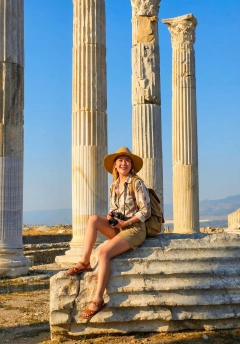
The value of this stop lies in orientation as much as in atmosphere. It prepares you to read the theatres, necropolis, streets, and thermal zones not as isolated points, but as parts of one connected world. That makes the rest of Hierapolis easier to appreciate and emotionally stronger to walk through. Hierapolis starts working on the imagination from the very beginning.
-
Hierapolis Theatre and Necropolis Axis
Explore key monument sections with historical interpretation.
This segment highlights civic and ceremonial spaces that defined the ancient city.
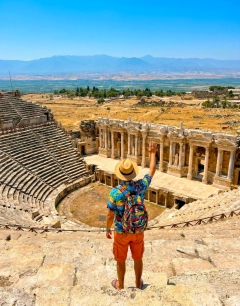
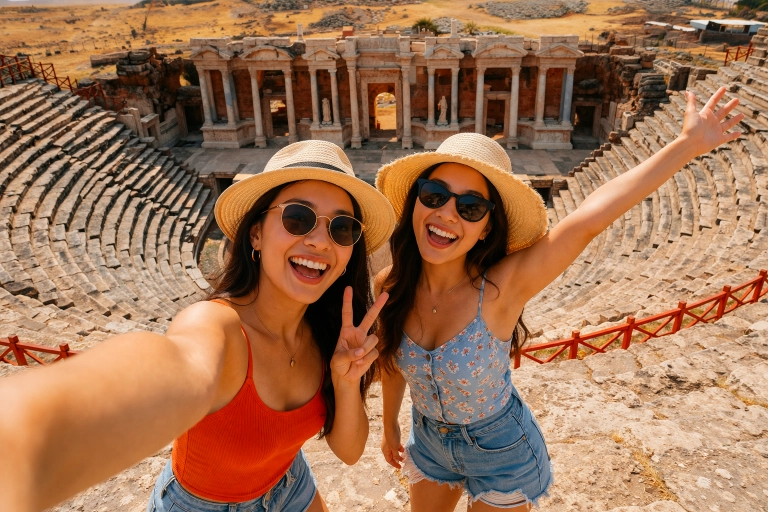
The theatre and necropolis axis of Hierapolis brings together two of the city's most powerful expressions: public grandeur and the long memory of the dead. The great theatre shows the ceremonial and civic confidence of the city, while the necropolis stretches the story outward into healing, belief, and burial traditions connected to the thermal sanctuary. Moving through this axis makes Hierapolis feel both monumental and deeply human. It is one of the clearest ways to understand the full emotional range of the site.
What makes this section especially compelling is the contrast between spectacle and reflection. One moment you are looking at a major performance space built for crowds, and the next you are reading a funerary landscape shaped by private memory and spiritual hope. That shift gives the city a richness that many ancient sites never achieve. It is a route that stays with visitors because it combines scale, atmosphere, and meaning so effectively.
-
Pamukkale Travertines Walk
Walk the terraces and panoramic thermal formations.
The white calcium terraces create one of the most iconic landscapes in Turkey.
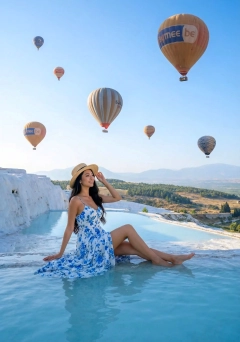
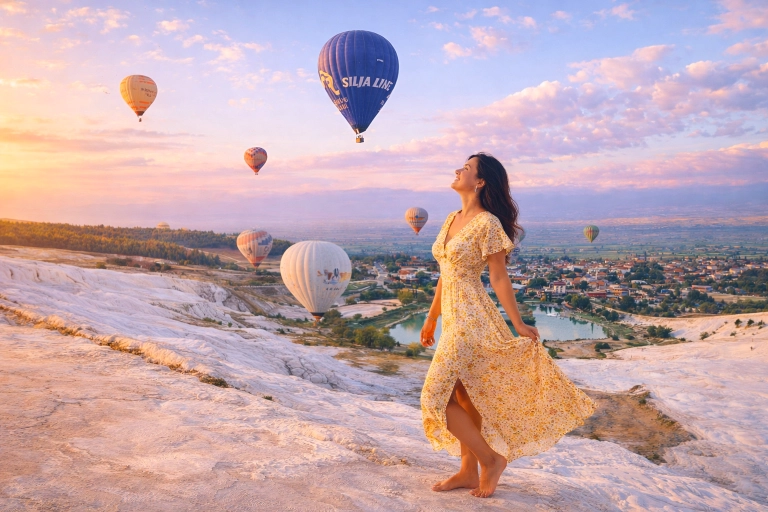
Pamukkale Travertines Walk is the kind of stop that rewards every slow step. As you move across the white mineral terraces, the landscape keeps shifting between bright stone, shallow thermal basins, and wide views across the valley, creating an effect that feels almost unreal in full daylight. The walk is simple, but the visual experience is unusually strong. It is one of those rare natural sites where even brief pauses can feel memorable.
What makes this route special is the balance between movement and scenery. You are not just looking at Pamukkale from afar, but experiencing the textures, color changes, and scale of the formations directly under the open sky. That physical closeness makes the famous landscape feel much more vivid than any photograph suggests. Pamukkale is best enjoyed without rushing, letting the unusual beauty of the terraces unfold at its own pace.
-
Cleopatra Pool Optional Time
Optional swim and leisure around thermal pool area.
Warm thermal water and ancient column remains make this stop unique.
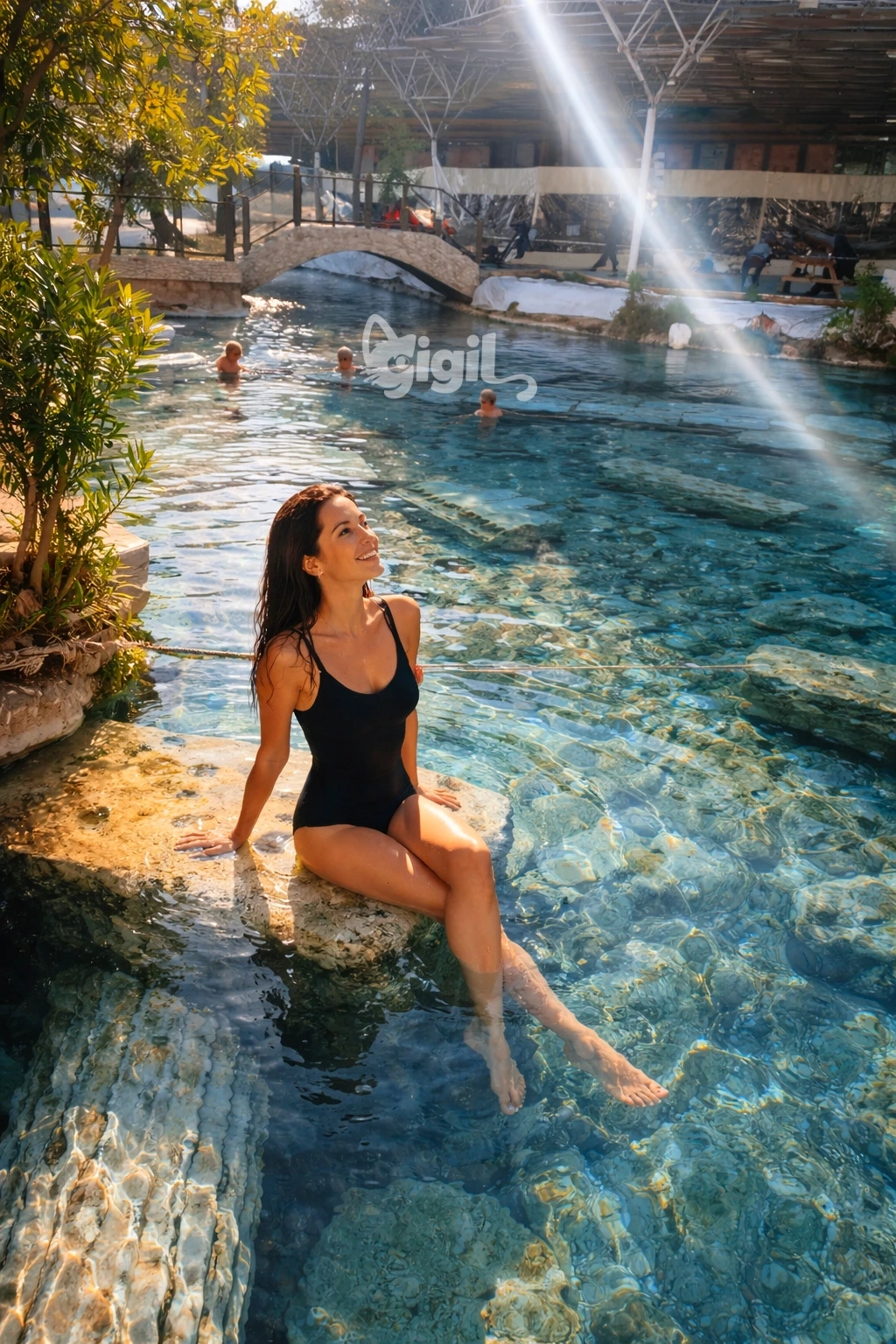
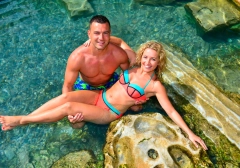
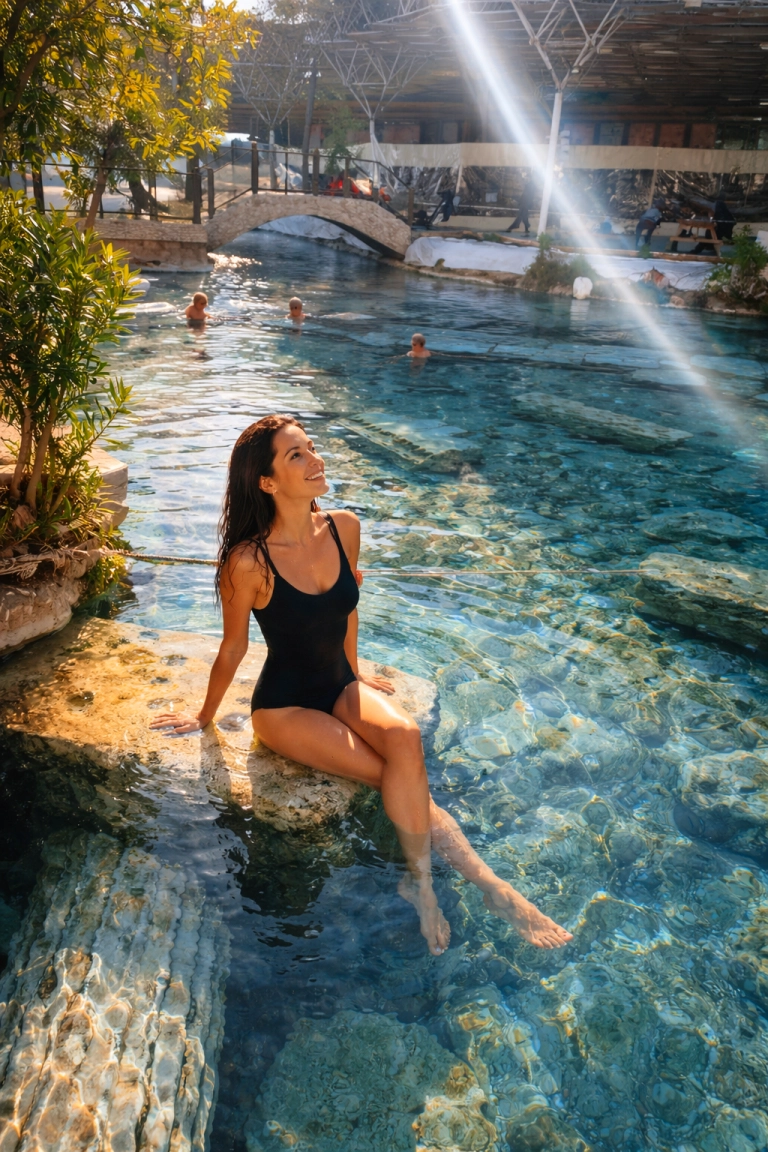
Cleopatra Pool is one of Pamukkale's most distinctive optional experiences, offering the rare chance to relax in warm mineral water among visible ancient stone fragments. The setting feels different from the travertines and archaeological walks because it shifts the mood from sightseeing to therapeutic leisure. That contrast is part of what makes the stop appealing. Even if you choose not to swim, the atmosphere is unusual and memorable. It is a free-time option that feels strongly tied to the place itself.
If you decide to use the pool, treat it as both a relaxing pause and a small immersion in the region's spa heritage. The warm water and scattered column remains create a setting that is far more evocative than a standard thermal stop. Travelers often appreciate this experience because it combines rest with a sense of historical strangeness that is uniquely Pamukkale. Take your time and let the stop feel restorative rather than rushed. It is one of those optional moments that can become a highlight.
-
Lunch Break in Pamukkale Area
Refreshment stop before route close.
A planned break allows rest after site visits.
A lunch break in the Pamukkale area is well timed after walking the travertines or the ruins of Hierapolis, when a pause and some shade are especially welcome. The region around Denizli offers a solid western Anatolian table that fits the day well, usually balancing practicality with local flavor. This makes the stop feel like part of the route rather than only a necessity. A good lunch here helps you reset before optional thermal stops or onward travel. It is a useful and often enjoyable midpoint.
If local dishes are available, look for kebabs, gözleme, soups, olive-oil vegetables, and village-style plates that reflect the inland Aegean character of the region. Denizli kebab or simpler grilled options can be especially satisfying after a long outdoor visit. Travelers usually appreciate these meal breaks because they provide rest without losing the regional tone of the day. There is no need for anything elaborate. Around Pamukkale, a relaxed and filling lunch does the job perfectly.
-
Drop-off in Pamukkale
End of tour at your selected return location.
After completing visits, you are transferred back to hotel or airport point.
Got a question about this tour?
Reach out to our travel experts.
Informations
-
What's Included
- Private licensed professional tour guide
- Private deluxe air-conditioned vehicle
- Pick-up from Pamukkale hotel or Denizli Cardak Airport
- Drop-off at your selected location
- Parking fees and local taxes
-
What's Excluded
- Pamukkale-Hierapolis and Cleopatra Pool entrance fees
- Lunch and beverages
- Personal expenses and shopping
- Gratuities for guide and driver
-
Entrance Fees
- Pamukkale-Hierapolis entrance fee
- Optional Cleopatra Pool swimming fee
-
Travel Tips
- Wear non-slip comfortable shoes for travertine and stone surfaces
- Bring swimwear and towel for optional Cleopatra Pool entry
- Carry sun protection and water for open-site sections
- Bring light layers for changing weather during the day
-
Note
- Wheelchair planning can be arranged before booking on request
- Day route can begin from Pamukkale hotel area or Denizli Cardak Airport
- Ticket desks generally accept card and Turkish Lira payments
- Final timing and operational details are shared after booking confirmation
Your Peace of Mind Options
Cancellation Policy
A transparent overview of applicable fees.
Customer Comments - Tripadvisor Write A Review!
Customer Comments - Tripadvisor





Tour Reminder!
You can create a reminder for yourself for this tour. We will send you a reminder e-mail/sms about this tour on the date you specify.
FAQs
-
What does the Pamukkale, Hierapolis and Cleopatra Pool tour from Pamukkale include?
- Private pickup and drop-off in Pamukkale (or Denizli Cardak Airport if arranged)
- Guided visit of Hierapolis ancient city highlights
- Walk on Pamukkale travertine terraces for views and photos
- Optional free time for Cleopatra Pool (Antique Pool)
- Lunch break in the Pamukkale area
-
How long is the tour and what is the pace like?
- Total duration: about 6 hours
- Comfortable pace with time for photos and short breaks
- Private format lets you spend more time where you prefer
-
Where do we meet and what time do we start?
- Pickup is from your Pamukkale hotel or an agreed meeting point
- Airport pickup (Denizli Cardak) can be arranged in advance
- Start time is flexible depending on your schedule
-
What will we see inside Hierapolis?
- Main ancient city sections along the monument axis
- Key ruins such as the theatre area and surrounding archaeological zones
- Your guide will tailor focus based on your interests
-
Can we swim in Cleopatra Pool (Antique Pool)?
- Swimming is optional and depends on opening status
- Entry is usually paid on site if you choose to swim
- Bring swimwear and a towel if you plan to include it
-
What are the rules for walking on the travertines?
- Some sections require bare feet to protect the terraces
- Surfaces can be slippery; walk carefully
- Follow local signage and staff instructions
-
Is this tour suitable for children and seniors?
- Yes for most travelers
- Expect walking on uneven ancient paths and some steps
- We can adjust the route for a lighter walk if needed
-
Is the tour wheelchair accessible?
- Some areas are not fully accessible due to steps and uneven ground
- We can focus on accessible viewpoints and the easier paths
- Please message us about mobility needs before booking
-
Are entrance fees and lunch included?
- A lunch break is planned during the route
- Entrance fees and personal expenses are typically paid on site unless stated otherwise
- Your guide can advise expected costs on the day
-
Do the terraces look different by season?
- Water flow can vary by season and conservation schedules
- Morning and late afternoon light is often best for photos
- Your guide will help you choose the best viewpoints on the day
General FAQs
-
What currency is used in Turkey?
Turkey uses the Turkish Lira (TRY).
- Cards are widely accepted in cities and tourist areas, but cash is still useful for small purchases.
- ATMs are common. Exchange offices and banks are also available.
-
Can I pay by credit card in Turkey?
In most restaurants, hotels, and shops you can pay by card.
- For markets, small shops, taxis, and tips, carrying some cash is recommended.
- Let your bank know you are traveling to avoid card blocks.
-
Is Turkey safe for tourists?
Turkey is generally safe for visitors, especially in main tourist areas.
- As in any destination, watch out for pickpockets in crowded places.
- Use licensed taxis/transport where possible and keep valuables secure.
-
What should I wear when visiting mosques in Turkey?
Dress modestly when entering mosques.
- Shoulders and knees should be covered.
- Women may be asked to cover their hair.
- Shoes are usually removed at the entrance.
-
Do I need a visa to visit Turkey?
Visa requirements depend on your nationality.
- Please check the latest rules from official sources (consulate/embassy or the official e-visa portal) before travel.
-
What is the best time to visit Turkey?
Spring and autumn are popular because temperatures are usually milder.
- Summer can be hot on the coast and inland.
- Winter is quieter and can be great for cities and some regions.
-
Will English be enough in Turkey?
Turkish is the official language. In tourist areas, English is commonly spoken.
- Learning a few basic Turkish words is appreciated and can help outside major areas.
-
What power plug is used in Turkey?
Turkey typically uses Type C and Type F plugs (220V, 50Hz).
- If your devices use a different plug type, bring a travel adapter.
-
Is tap water safe to drink in Turkey?
In many places, visitors prefer bottled water.
- Hotels and restaurants usually provide bottled water easily.
-
Is tipping expected in Turkey?
Tipping is common and appreciated for good service.
- In restaurants, rounding up or leaving a small amount is typical.
- For guides and drivers, tips are at your discretion based on satisfaction.
-
Do I need to carry my passport in Turkey?
We recommend keeping your passport safely in your hotel and carrying a copy (photo or printed) when out.
- Some venues may request an ID; your guide can advise for your route.
-
Do museums and sites have weekly closure days in Turkey?
Opening hours can change by season and some venues may have weekly closure days.
- We recommend checking the latest opening hours close to your travel date.
- Starting earlier in the day helps to avoid crowds at popular sites.
-
What are the emergency numbers in Turkey?
Dial 112 for emergencies (medical, police, fire and other urgent situations).
- 112 is a unified emergency line in Turkey.
- If you do not speak Turkish, try English and share your location clearly.
-
How do I get from airports to the city in Turkey?
Options depend on the city, but common choices are:
- Official airport taxi
- Airport shuttles/buses
- Metro/train (available in some cities)
- Pre-booked private transfers
If you arrive late at night or with luggage, a pre-booked transfer can be the easiest option.
-
Are taxis and ride-hailing apps reliable in Turkey?
Use licensed taxis and make sure the meter is used (unless a fixed airport fare is confirmed).
- In some cities, taxi-hailing apps can help you find a taxi more easily.
- If possible, keep small cash and ask for a receipt when needed.
-
How do I buy a SIM/eSIM in Turkey?
You can buy SIM/eSIM options from mobile operators and official stores.
- Bring your passport for registration.
- For longer stays, foreign phones may require device registration (IMEI) to keep working on local networks.
-
What are typical opening hours in Turkey?
Opening hours vary by city and season.
- Many shops and malls stay open late, especially in tourist areas.
- Some museums may close earlier and may have weekly closure days.
- During national or religious holidays, hours can change.
-
How do pharmacies work in Turkey (duty pharmacy)?
Pharmacies are called Eczane. Outside normal hours, there is usually a rotating on-duty pharmacy (Nöbetçi Eczane).
- Regular pharmacies typically post the on-duty pharmacy information on the door/window.
- Your hotel reception can also help you find the nearest one.
Let's Customize Your Trip!
Prepare your own tour plan!
Good to Know
-
Local tip: bring a light bag for shoes
- You may remove shoes for terrace sections
- A small bag makes it easier to carry them comfortably
-
Local tip: plan your photo stops
- Travertine viewpoints change depending on water and crowd levels
- Ask your guide for the best panoramic spots
-
Local tip: swimwear and quick-dry towel
- If Cleopatra Pool is on your list, pack swimwear
- A quick-dry towel is convenient for day tours
-
Local tip: comfortable footwear
- Hierapolis paths can be rocky and uneven
- Good grip shoes make the walk easier
-
Local tip: timing for comfort
- In hot months, earlier start times are more comfortable
- You can also request extra shade breaks
Want to read it later?
Download this tour’s PDF brochure and start tour planning offline
Similar Tours
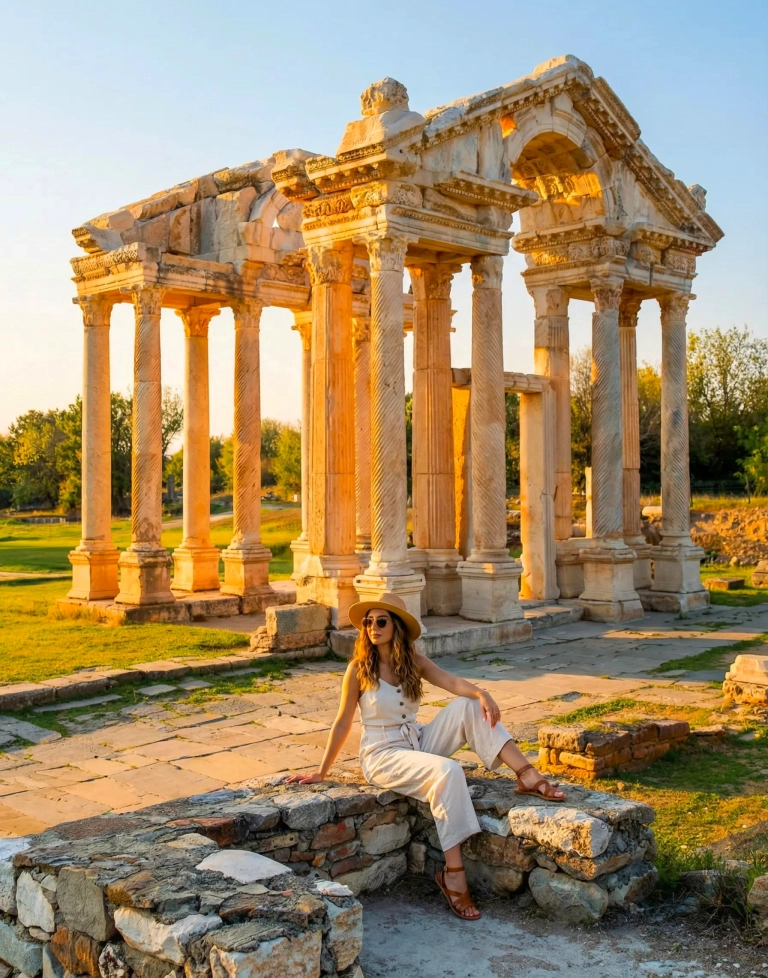
Aphrodisias Ancient City Discovery
Discover Aphrodisias on a full-day private tour from Pamukkale with licensed guide and A/C vehicle. Visit the ancient stadium, Temple of Aphrodite, theater, baths, and Aphrodisias Museum with hotel or airport pickup.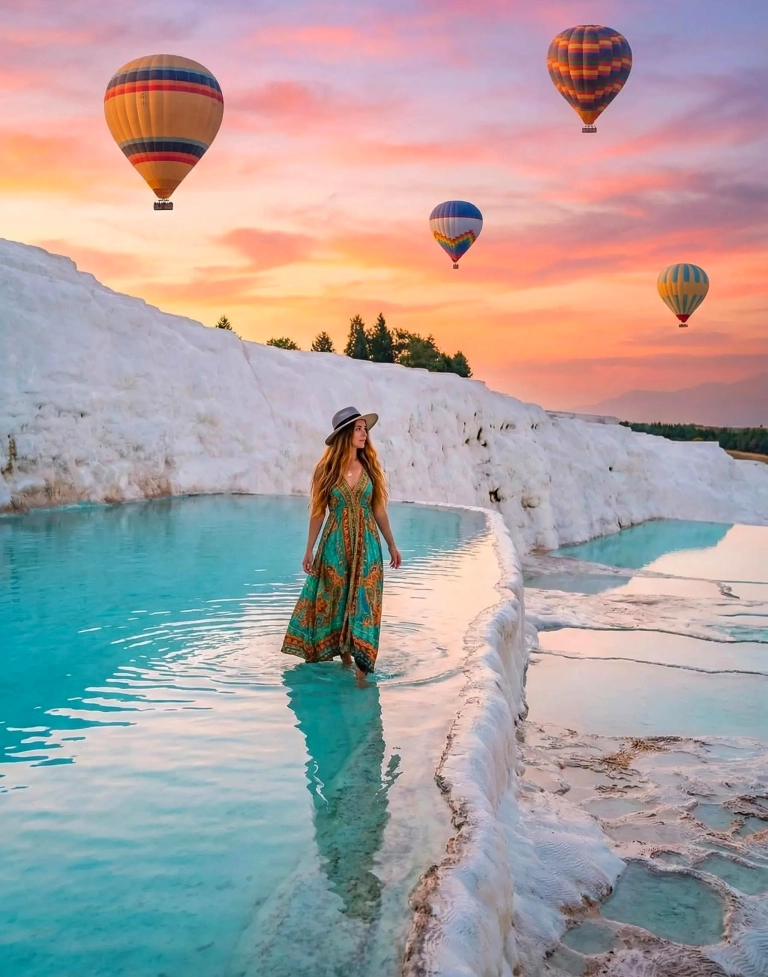
Pamukkale and Laodicea Biblical Heritage
Join a full-day private tour from Pamukkale to visit Laodicea Ancient City, Pamukkale travertines, and Hierapolis. Includes licensed guide, private A/C vehicle, and hotel or Cardak Airport pickup-drop-off.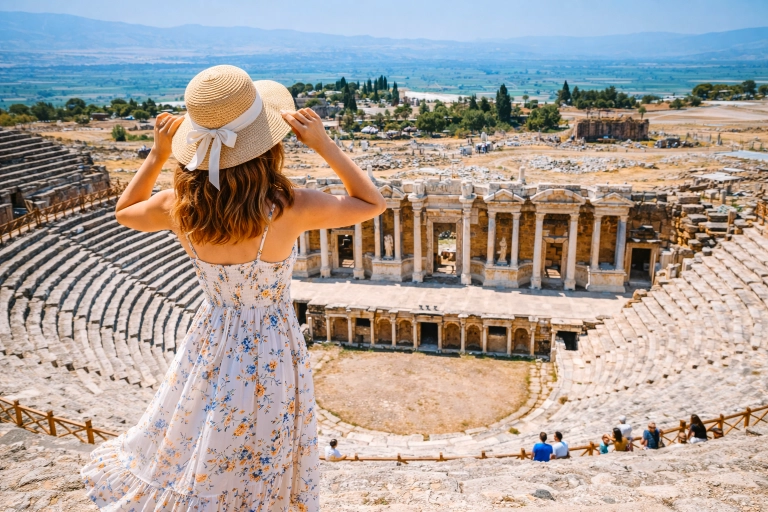
Aphrodisias and Pamukkale Heritage Discovery
Join a full-day private tour from Pamukkale to Aphrodisias and Pamukkale with a licensed guide. Visit Aphrodisias Ancient City, Aphrodisias Museum, stadium, Hierapolis, Cotton Castle terraces, and optional Cleopatra Pool.


