Gallipoli and Troy Heritage Route

Discover a 2 days Gallipoli and Troy Heritage Route from Istanbul with private guide. Visit Gallipoli Peninsula, ANZAC Cove, Ari Burnu first landing area, Troia Ancient City, and the Wooden Horse replica in a structured historical itinerary.
Highlights
- Gallipoli Peninsula, one of World War I's most significant memorial landscapes
- ANZAC Cove and Ari Burnu, central landing and frontline points of the 1915 campaign
- Lone Pine and Chunuk Bair, key ridge positions deeply tied to ANZAC remembrance history
- Troy Ancient City and wooden horse legacy, one of the world's most iconic mytho-historical archaeological sites
Gallipoli and Troy Heritage Route
Discover a 2 days Gallipoli and Troy Heritage Route from Istanbul with private guide. Visit Gallipoli Peninsula, ANZAC Cove, Ari Burnu first landing area, Troia Ancient City, and the Wooden Horse replica in a structured historical itinerary.
Itinerary
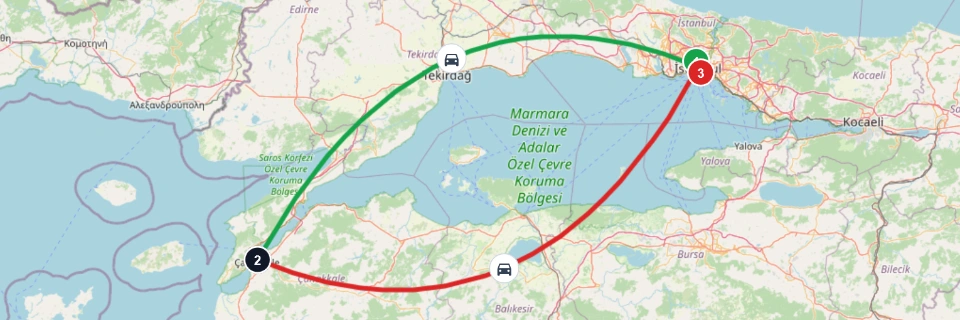
This itinerary is built for travelers who want a focused Gallipoli and Troy tour from Istanbul in two days. The route combines World War I memory sites with one of the most iconic ancient cities in the world. Guests searching a Gallipoli Peninsula private guide tour can follow this plan because each stop is clearly listed. Day one concentrates on Gallipoli, ANZAC Cove, and Ari Burnu with strong historical context. Day two continues to Troy and the famous Troy Wooden Horse visit sequence.
The Gallipoli section includes Gallipoli Peninsula, ANZAC Cove, and Ari Burnu as the first ANZAC landing place. This setup is ideal for visitors looking for an ANZAC Cove and Ari Burnu history tour with coherent narration. Walking these grounds helps travelers understand the battlefield geography and wartime memory of the Dardanelles campaign. The route is structured to keep the experience reflective and destination-focused without unrelated detours. It works as a complete Gallipoli battlefield remembrance itinerary in one day.
The second day includes Troia Ancient City and the Wooden Horse replica in line with the official highlights. This section is suitable for travelers searching a Troy ancient city guided tour with myth and archaeology together. Troia presents layered ruins connected to one of the best-known stories in world literature. The Wooden Horse stop adds a recognizable visual marker that complements the archaeological narrative. Overall, the package delivers a reliable 2 days Gallipoli Troy cultural journey from Istanbul.
-
Day 1
Gallipoli Battlefield Route
D
Pickup in Istanbul and overland departure to Gallipoli.
Day one begins with private road transfer from Istanbul to Gallipoli Peninsula.
Transfer to Gallipoli PeninsulaLong-distance transfer to Eceabat-Gallipoli region.
Road journey reaches the main battlefield and memorial zone.
ANZAC CoveVisit the historic ANZAC landing area.
ANZAC Cove marks one of the most recognized landing points of the Gallipoli campaign.
ANZAC Cove is one of the most emotionally charged stops on the Gallipoli Peninsula. The shoreline itself is modest in scale, but the historical weight it carries is enormous, because this is one of the landing areas most closely associated with the 1915 campaign and the collective memory that followed. Standing here, the contrast between the calm sea and the violence once experienced on these shores is impossible to ignore. It is a place of reflection rather than spectacle.
What makes the visit especially powerful is the human closeness of the landscape. The cove, ridges, and narrow coastal strip help you understand how exposed and difficult the conditions were for the soldiers who came ashore here. For many travelers from Australia, New Zealand, Türkiye, and beyond, this is not only a historical location but also a place of remembrance. ANZAC Cove asks to be approached with quiet attention and respect.
Ari Burnu (Ariburnu)Stop at frontline ridge area near ANZAC sector.
Ari Burnu is central to the opening phase and trench history of the 1915 landings.
Ari Burnu (Ariburnu) is one of the most significant landscape points for understanding the opening phase of the Gallipoli landings. The terrain itself helps explain how quickly the campaign became defined by exposure, steep ground, and intense pressure at close range. This is not a grand monument space, but a place where geography and memory remain tightly bound. That gives the stop a strong and serious atmosphere.
The value of the visit lies in how directly it connects the physical ground to the human story of the campaign. Looking across the area, it becomes easier to imagine the confusion, difficulty, and violence of the early landings in a way that maps and summaries cannot fully convey. For travelers, Ari Burnu often becomes one of the points where Gallipoli feels most immediate and real.
Lone Pine Memorial AreaVisit Lone Pine cemetery and memorial sector.
Lone Pine is one of the most important remembrance points for ANZAC and Commonwealth history.
The Lone Pine Memorial area stands as one of the most important commemorative points on the Gallipoli Peninsula, especially in the memory of ANZAC and Commonwealth forces. The site carries a strong emotional charge, not through dramatic architecture, but through the direct relationship between memorial, graves, and battlefield ground. It is a place where national remembrance and individual loss remain visibly connected. That gives the visit a quiet but lasting power.
Looking around the area, you can sense how much meaning has accumulated here over time. The memorial does not separate history from mourning, and that is exactly why it feels so affecting. Even a brief stop can be enough to understand why Lone Pine remains central to the Gallipoli story. It is one of the peninsula's clearest spaces for reflection, respect, and memory.
Chunuk BairVisit high-ridge memorial and battlefield position.
Chunuk Bair was one of the most strategic and heavily contested positions of the campaign.
Chunuk Bair is one of the key high-ground memorial sites of Gallipoli, and that elevation matters both strategically and emotionally. Standing here, you begin to understand why this ridge was so fiercely contested and why it remains so central to the memory of the campaign, especially in New Zealand remembrance. The landscape itself explains the military importance of the position. At the same time, the quiet of the present makes the history feel even heavier.
The stop is especially powerful because it turns battlefield abstraction into physical reality. Views from the ridge help you read the terrain in a way that makes the hardships and stakes of the campaign far more tangible. For many travelers, Chunuk Bair becomes one of the moments when Gallipoli feels most immediate. Chunuk Bair is a place of perspective, memory, and solemn historical clarity.
Lunch Break in EceabatMidday meal break during route (not included).
Lunch break is scheduled and paid directly by guests.
Lunch Break in Eceabat usually comes at just the right moment on a Gallipoli route, when the emotional weight of the memorial landscape and the practical demands of the day both call for a pause. Eceabat is less about a signature dish than about being the natural service town for the peninsula, yet that still makes the stop meaningful within the journey. After cemetery visits, memorials, and ceremony zones, a simple meal here often feels more grounding than elaborate. The lunch break helps restore energy without breaking the reflective mood of the day.
If you stop here, the best approach is to choose something straightforward and satisfying rather than overly heavy. Grilled meats, soups, home-style dishes, and familiar Turkish staples usually work well before or after the long movement across the peninsula. The goal is less culinary spectacle and more a well-timed, comfortable pause. Eceabat works as the practical heart of the Gallipoli day, and lunch here is part of that rhythm.
Transfer to Canakkale HotelTransfer to overnight hotel in Canakkale area.
Evening transfer concludes Gallipoli route and prepares Troy visit for day two.
Canakkale Hotel Check-in and DinnerOvernight stay with included dinner.
Day one ends with accommodation and dinner included.
-
Day 2
Troy Archaeological Route
B
Start day-two Troy route after breakfast.
Morning departure begins Troy archaeological circuit.
Troy Ancient CityGuided exploration of Troy archaeological layers.
Troy preserves multi-period settlement levels central to Aegean-Anatolian history and legend.
Troy Ancient City is one of the rare archaeological sites where myth and excavation are inseparable. The layered remains may appear modest at first to travelers expecting a single monumental ruin, but the real power of Troy lies in the deep sequence of settlements and the cultural imagination attached to the name. Standing here means being in a place connected to Bronze Age history, Homeric legend, and generations of archaeological debate. That alone gives the visit an unusual gravity.
The best way to experience Troy is to think in layers rather than look for one perfect image. Each period adds to the site's importance, and that accumulation is what makes the place so compelling. Once you shift into that mindset, the ruins start to feel richer, more complex, and far more meaningful. Troy rewards travelers who bring curiosity and patience to one of the ancient world's most famous names.
Wooden Horse LandmarkStop at iconic wooden horse representation area.
The wooden horse symbol reflects the enduring mythic narrative tied to Troy.
Wooden Horse Landmark gives the Troy legend a clear and iconic public face within the Canakkale-Troad corridor. The horse stands as a shorthand for one of the best-known stories in world literature, making the stop immediately recognizable even for visitors with only a little background. That familiarity has value, because it creates an easy bridge into the much more layered historical and archaeological material around Troy. It is a symbolic stop, but not an empty one.
What makes the landmark effective is how quickly it sparks imagination. You do not need long explanation to understand why the image still matters, yet its meaning deepens when seen as part of the regional context. The stop works well for photographs, but also for marking the emotional transition from myth into site-based history. It is a concise and memorable part of the route.
Lunch Break near TroyMidday meal break during route (not included).
Lunch break is scheduled and paid directly by guests.
Lunch Break near Troy usually comes at the right moment in a route that already carries a lot of historical weight. After or around the Troy visit, a meal stop nearby works less as a culinary destination in its own right and more as a necessary pause that lets the day breathe. In this part of northwestern Türkiye, the best choice is usually straightforward, regional food that restores energy for the next transfer or memorial stop. That practical quality is part of the stop's value.
The meal here is best kept simple and satisfying: soups, grilled dishes, home-style plates, fresh salads, and reliable Turkish staples that suit a long road day. What matters most is that the lunch feels steady, comfortable, and timed well within the route. Especially on Gallipoli-connected days, that kind of pause can make the rest of the itinerary much easier to absorb. The Troy area lunch stop works by supporting the day rather than competing with it.
Return Transfer to IstanbulLong-distance return transfer to Istanbul.
Road return completes the two-day Gallipoli and Troy heritage itinerary.
Istanbul Drop-offFinal drop-off at hotel or meeting point.
Services conclude at original Istanbul drop-off location.
Got a question about this tour?
Reach out to our travel experts.
Informations
-
What's Included
- 1 night accommodation with breakfast and dinner (4-star or special-class boutique category)
- Private deluxe A/C VIP vehicle for all transfers and tours
- Pickup from your hotel or meeting point
- Drop-off to your hotel or meeting point
- Parking fees for listed route locations
- Private professional licensed tour guide
- Private tour operation only for your group
- Local taxes
-
What's Excluded
- Museum and site admission fees
- Personal expenses
- Lunches and beverages
- Gratuities for guide and driver
-
Entrance Fees
- Entrance fees are not included and are paid directly on site according to current official rates.
-
Travel Tips
- Wear comfortable walking shoes and weather-appropriate layers; many Gallipoli points are open and windy, so carry water and sun protection.
-
Note
- This itinerary is operated overland from Istanbul and includes long road segments; schedule may vary depending on traffic
- weather
- and ferry/route conditions.
Your Peace of Mind Options
Cancellation Policy
A transparent overview of applicable fees.
Customer Comments - Tripadvisor Write A Review!
Customer Comments - Tripadvisor



Tour Reminder!
You can create a reminder for yourself for this tour. We will send you a reminder e-mail/sms about this tour on the date you specify.
FAQs
-
What does the 2 Days Gallipoli and Troy Heritage Tour include?
- Private tour operation only for your group
- Private professional licensed tour guide
- Private deluxe A/C VIP vehicle for all transfers and tours
- Pickup and drop-off at your hotel or meeting point
- Parking fees for listed route locations and local taxes
- 1 night accommodation with breakfast and dinner (4-star or special-class boutique category)
-
Is this tour operated by flight or by road?
- This itinerary is operated overland from Istanbul with a private VIP vehicle
- It includes long road segments and the schedule can vary depending on traffic, weather, and ferry or route conditions
-
What is covered on Day 1 (Gallipoli battlefield route)?
- Transfer to Gallipoli Peninsula
- ANZAC Cove
- Ari Burnu (Ariburnu)
- Lone Pine memorial area
- Chunuk Bair
- Overnight in Canakkale area with dinner
-
What is covered on Day 2 (Troy archaeological route)?
- Troy Ancient City archaeological zone
- Wooden Horse landmark area
- Lunch break near the Troy area
- Return transfer to Istanbul
-
Is this a private tour?
- Yes. It is operated privately for your group with a private guide and VIP vehicle
- Pace can be adjusted within the operational route
-
Are entrance fees included?
- No. Museum and site admission fees are excluded
- Please plan budget for Troy tickets and any optional museum visits
-
Are lunches and beverages included?
- No. Lunches and beverages are excluded
- Hotel breakfast and dinner are included for the overnight stay
-
Is this tour suitable for ANZAC-focused travel?
- Yes. Day 1 focuses on key ANZAC-related sites including ANZAC Cove, Ari Burnu, Lone Pine, and Chunuk Bair
- Visits are guided with historical context and respectful pacing
-
How physically demanding are the visits?
- Moderate walking at memorial areas and the Troy archaeological zone
- Some terrain can be uneven and exposed to wind
-
What is not included in the price?
- Museum and site admission fees
- Lunches and beverages
- Personal expenses
- Gratuities for guide and driver
General FAQs
-
What currency is used in Turkey?
Turkey uses the Turkish Lira (TRY).
- Cards are widely accepted in cities and tourist areas, but cash is still useful for small purchases.
- ATMs are common. Exchange offices and banks are also available.
-
Can I pay by credit card in Turkey?
In most restaurants, hotels, and shops you can pay by card.
- For markets, small shops, taxis, and tips, carrying some cash is recommended.
- Let your bank know you are traveling to avoid card blocks.
-
Is Turkey safe for tourists?
Turkey is generally safe for visitors, especially in main tourist areas.
- As in any destination, watch out for pickpockets in crowded places.
- Use licensed taxis/transport where possible and keep valuables secure.
-
What should I wear when visiting mosques in Turkey?
Dress modestly when entering mosques.
- Shoulders and knees should be covered.
- Women may be asked to cover their hair.
- Shoes are usually removed at the entrance.
-
Do I need a visa to visit Turkey?
Visa requirements depend on your nationality.
- Please check the latest rules from official sources (consulate/embassy or the official e-visa portal) before travel.
-
What is the best time to visit Turkey?
Spring and autumn are popular because temperatures are usually milder.
- Summer can be hot on the coast and inland.
- Winter is quieter and can be great for cities and some regions.
-
Will English be enough in Turkey?
Turkish is the official language. In tourist areas, English is commonly spoken.
- Learning a few basic Turkish words is appreciated and can help outside major areas.
-
What power plug is used in Turkey?
Turkey typically uses Type C and Type F plugs (220V, 50Hz).
- If your devices use a different plug type, bring a travel adapter.
-
Is tap water safe to drink in Turkey?
In many places, visitors prefer bottled water.
- Hotels and restaurants usually provide bottled water easily.
-
Is tipping expected in Turkey?
Tipping is common and appreciated for good service.
- In restaurants, rounding up or leaving a small amount is typical.
- For guides and drivers, tips are at your discretion based on satisfaction.
-
Do I need to carry my passport in Turkey?
We recommend keeping your passport safely in your hotel and carrying a copy (photo or printed) when out.
- Some venues may request an ID; your guide can advise for your route.
-
Do museums and sites have weekly closure days in Turkey?
Opening hours can change by season and some venues may have weekly closure days.
- We recommend checking the latest opening hours close to your travel date.
- Starting earlier in the day helps to avoid crowds at popular sites.
-
What are the emergency numbers in Turkey?
Dial 112 for emergencies (medical, police, fire and other urgent situations).
- 112 is a unified emergency line in Turkey.
- If you do not speak Turkish, try English and share your location clearly.
-
How do I get from airports to the city in Turkey?
Options depend on the city, but common choices are:
- Official airport taxi
- Airport shuttles/buses
- Metro/train (available in some cities)
- Pre-booked private transfers
If you arrive late at night or with luggage, a pre-booked transfer can be the easiest option.
-
Are taxis and ride-hailing apps reliable in Turkey?
Use licensed taxis and make sure the meter is used (unless a fixed airport fare is confirmed).
- In some cities, taxi-hailing apps can help you find a taxi more easily.
- If possible, keep small cash and ask for a receipt when needed.
-
How do I buy a SIM/eSIM in Turkey?
You can buy SIM/eSIM options from mobile operators and official stores.
- Bring your passport for registration.
- For longer stays, foreign phones may require device registration (IMEI) to keep working on local networks.
-
What are typical opening hours in Turkey?
Opening hours vary by city and season.
- Many shops and malls stay open late, especially in tourist areas.
- Some museums may close earlier and may have weekly closure days.
- During national or religious holidays, hours can change.
-
How do pharmacies work in Turkey (duty pharmacy)?
Pharmacies are called Eczane. Outside normal hours, there is usually a rotating on-duty pharmacy (Nöbetçi Eczane).
- Regular pharmacies typically post the on-duty pharmacy information on the door/window.
- Your hotel reception can also help you find the nearest one.
Let's Customize Your Trip!
Prepare your own tour plan!
Good to Know
-
Good to know: expect long road segments
- Gallipoli and Troy are reached overland from Istanbul
- Traffic and ferry or route conditions can affect timings
-
Good to know: bring layers for wind on the peninsula
- Gallipoli can be windy even on warm days
- A light jacket can be useful in the morning and late afternoon
-
Good to know: plan cash for tickets and lunches
- Entrance fees are excluded
- Lunches and beverages are excluded
-
Good to know: footwear matters at heritage sites
- Memorial zones and Troy include uneven paths
- Comfortable shoes improve the experience
-
Good to know: a respectful dress and tone is recommended
- Gallipoli is a memorial landscape
- Quiet and respectful behavior improves the visit for everyone
Want to read it later?
Download this tour’s PDF brochure and start tour planning offline
Similar Tours

Gallipoli ANZAC Dawn Service Tour
Join a 1 Night 2 Days Gallipoli ANZAC Dawn Service Tour from Istanbul by private car. Attend ANZAC Day Dawn Service at Anzac Cove and continue to Australian or New Zealand memorial services on Gallipoli Peninsula.
Ertugrul Ghazi Legacy and Bursa Heritage
Join a 2 day Ertugrul Ghazi Legacy and Bursa Heritage Tour from Istanbul by private A/C VIP vehicle. Visit Bilecik and Sogut shrines including Sheikh Edebali and Ertugrul Gazi, continue to Inegol for Turgut Alp, and explore Bursa highlights such as Ulu Mosque, Koza Han, Green Tomb, Osman-Orhan tombs
Izmir and Ephesus Heritage Flight Escape
Join a 2 day Izmir and Ephesus Heritage Flight Escape from Istanbul by domestic flight and private VIP vehicle. Discover Izmir city highlights such as Konak, Kemeralti, Kadifekale, Agora, and Izmir Archaeological Museum, then visit Ephesus Ancient City, House of Virgin Mary, Temple of Artemis, and E
Izmir and Sardes Heritage Flight Journey
Join a 2 day Izmir and Sardes Heritage Flight Journey from Istanbul by domestic flight and private VIP vehicle. Explore Old Smyrna highlights in Izmir, then visit Sardes Archaeological Site including the Gymnasium, Jewish Synagogue, and the Temple of Artemis.
Izmir and Pamukkale Heritage Flight Escape
Join a 2 day Izmir and Pamukkale Heritage Flight Escape from Istanbul by domestic flight and private VIP vehicle. Explore Old Smyrna landmarks in Izmir, then visit Pamukkale white travertines, Cleopatra Pool, and Hierapolis Ancient Site with a private licensed guide.
Aphrodisias and Pamukkale Heritage Flight Escape
Join a 2 day Aphrodisias and Pamukkale Heritage Flight Escape from Istanbul by domestic flight and private VIP vehicle. Visit Aphrodisias Ancient City and Aphrodisias Archaeological Museum, then continue to Pamukkale white terraces, Cleopatra Pool, and Hierapolis Ancient Site.