Ertugrul Ghazi Legacy and Bursa Heritage

Join a 2 day Ertugrul Ghazi Legacy and Bursa Heritage Tour from Istanbul by private A/C VIP vehicle. Visit Bilecik and Sogut shrines including Sheikh Edebali and Ertugrul Gazi, continue to Inegol for Turgut Alp, and explore Bursa highlights such as Ulu Mosque, Koza Han, Green Tomb, Osman-Orhan tombs
Highlights
- Sheikh Edebali and Sogut tomb complex, core spiritual legacy of Ottoman beginnings
- Ertugrul Ghazi and Alps memorial grounds, key heritage stops for Dirilis followers
- Bursa Ulu Cami and Koza Han, classical Ottoman urban heart of first capital
- Osman-Orhan tombs and Green Tomb, dynasty memory route with panoramic Bursa views
Ertugrul Ghazi Legacy and Bursa Heritage
Join a 2 day Ertugrul Ghazi Legacy and Bursa Heritage Tour from Istanbul by private A/C VIP vehicle. Visit Bilecik and Sogut shrines including Sheikh Edebali and Ertugrul Gazi, continue to Inegol for Turgut Alp, and explore Bursa highlights such as Ulu Mosque, Koza Han, Green Tomb, Osman-Orhan tombs
Itinerary
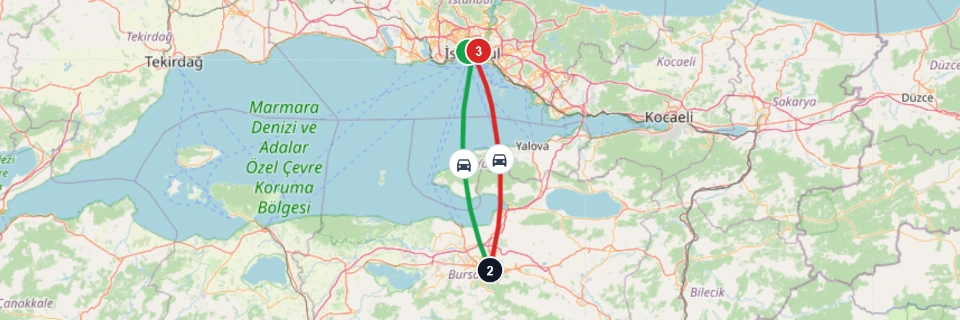
This itinerary is designed for travelers who want a focused 2 day Dirilis Ertugrul tour from Istanbul with key Ottoman foundation sites. The route begins with private pick-up in Istanbul and continues to Bilecik for spiritual and historical landmarks. Guests searching an Ertugrul Ghazi tomb Sogut visit can follow this schedule clearly because major stops are fixed and route-faithful. Day one includes Sheikh Edebali Shrine, Orhan Gazi Mosque area, Sogut, and the Ertugrul-Halime-Hatun and Alp legacy points. It is a practical choice for visitors seeking a private VIP Ottoman heritage tour in two days.
The Bilecik and Sogut section also links to Inegol where Turgut Alp memory sites provide deeper context for early Ottoman military history. This sequence supports travelers researching a Turgut Alp tomb Inegol tour as part of a broader heritage route. Overnight in Bursa prepares the second day for city-based monuments and classic Ottoman architecture. In Bursa, visits include Ulu Mosque, Koza Han, Green Tomb, and the tombs of Osman and Orhan in Tophane area. Together these stops create a complete Bursa Ulu Mosque Koza Han Green Tomb experience.
The tour also includes time around Bursa's symbolic viewpoints and, seasonally, Uludag area as listed in the official highlights. Guests comparing an Uludag day visit from Bursa option can treat it as a complementary stop within the heritage framework. Included services provide private licensed guiding, VIP A/C vehicle, local taxes, parking, and pick-up drop-off handling. Exclusions remain transparent for entrance fees, meals, domestic flights, gratuities, and personal expenses to keep expectations accurate. Overall, this is a route-accurate Sheikh Edebali Shrine Bilecik trip and Bursa heritage package from Istanbul.
-
Day 1
Bilecik, Sogut and Bursa
D
Start overland heritage route from Istanbul.
The route departs Istanbul early and follows the Ottoman-foundation corridor toward Bilecik and Sogut.
Sheikh Edebali ShrineVisit the shrine of Sheikh Edebali in Bilecik.
Sheikh Edebali is regarded as a central spiritual figure in the formative Ottoman period.
The Sheikh Edebali Shrine is one of the most symbolically important stops for understanding the spiritual beginnings of the Ottoman world. Sheikh Edebali occupies a special place in Ottoman memory, not only as a religious figure but as a guide associated with the dynasty's formative vision. That gives the shrine a significance greater than its size might suggest. This is a place of origin story as much as of devotion. It carries quiet but unmistakable historical weight.
As you visit, try to approach the site not only as a tomb or shrine, but as a place where memory, legitimacy, and spiritual counsel all converge in early Ottoman tradition. Travelers often appreciate it because it reveals a more reflective side of dynastic history than palaces or imperial mosques alone can show. The shrine also helps make Bilecik's heritage role much clearer. It is a stop for symbolic depth rather than spectacle. That is exactly what makes it meaningful.
Orhan Gazi Mosque AreaShort stop near Orhan Gazi mosque complex.
This area links early Ottoman architectural memory with Bilecik's heritage core.
The Orhan Gazi Mosque area helps connect Bilecik to the earliest architectural and dynastic memory of the Ottoman world. This is not a late imperial monument zone, but a place where beginnings matter more than grandeur. That gives the stop a quieter but very meaningful character, especially for travelers interested in the formative period of Ottoman history. The area also works as a heritage core where the city's historical identity becomes easier to read. It is a stop shaped by origin and continuity.
As you spend time here, notice how early Ottoman spaces often feel more intimate and regionally grounded than later imperial landmarks. Travelers usually appreciate places like this because they reveal the Ottoman story at an earlier and more human scale. The area also benefits from its hill and town context, which helps memory, landscape, and architecture reinforce one another. This is a stop for historical depth rather than spectacle. In that sense, it is especially rewarding.
Sogut Ertugrul Ghazi TombMain visit to Ertugrul Ghazi memorial grounds.
Sogut tomb complex is one of the most visited Ottoman-origin landmarks in Turkey.
Sogut Ertugrul Ghazi Tomb carries a special emotional weight for anyone interested in the beginnings of the Ottoman story. This is not a grand imperial capital site, but that is exactly what makes it powerful, because the atmosphere feels closer to memory, frontier identity, and the modest roots of a future empire. Standing here, you are in a place linked to Ertugrul Ghazi and the early tribal world from which the Ottomans emerged. The setting invites a quieter, more reflective kind of attention.
Visitors often find that Sogut feels more intimate than the larger monuments of later Ottoman cities. The tomb complex, surrounding memorial elements, and small-town setting create a sense of continuity between legend, history, and local devotion. This is a place to slow down and absorb the symbolic meaning rather than expect monumental scale. If you enjoy tracing how great empires begin in small places, Sogut leaves a strong impression.
Halime Hatun and Alps GravesVisit nearby memorials of family and Alps.
The surrounding cemetery includes symbolic graves tied to early Kayi and Alps narratives.
The Halime Hatun and Alps graves bring you into the memorial landscape of Sogut, where dynastic memory and frontier legend remain deeply intertwined. This is not a monumental archaeological site in the classical sense, but a place where the emotional texture of early Ottoman and Kayi narratives is still strongly felt. The setting invites a more reflective kind of visit, focused on lineage, loyalty, and the people remembered around the empire's foundational story. Its meaning comes as much from memory and symbolism as from architecture.
Walking among these memorials helps you understand how Sogut functions as a place of origin in the Turkish historical imagination. The graves honor individuals and companion figures whose presence expands the story beyond just one ruler or tomb. Even for visitors who come without deep prior knowledge, the atmosphere suggests continuity, ancestry, and respect. It is a stop best approached with patience, because its power is quiet rather than theatrical.
Lunch Break on RouteMidday meal break during transfer stages (not included).
Lunch break is scheduled on route and paid directly by guests.
A lunch break on the route through early Ottoman heritage country toward Bursa offers a practical pause within a day that is more historical and symbolic than culinary by design. After tombs, memorials, and foundational Ottoman sites, the stop gives you a chance to rest before the final continuation toward Bursa. Even so, the region still supports a recognizable northwestern Anatolian table. This gives the meal some local grounding without making it a major detour from the route. It is a useful midpoint in a heritage-focused day.
If available, home-style Turkish dishes, soups, grilled meats, beans, rice, and simple regional lunches fit the route especially well. Travelers often appreciate this kind of meal because it restores energy while keeping the day moving. The best lunch here should feel steady, warm, and practical rather than overly ambitious. On a transfer stage toward Bursa, that is exactly the right balance. The meal supports the route quietly but effectively.
Inegol Turgut Alp MemorialStop at Turgut Alp and related memorial location.
Inegol memorial points are associated with Turgut Alp's governance era in early Ottoman expansion.
The Inegol Turgut Alp Memorial connects the route to one of the key frontier figures associated with the early Ottoman expansion. Turgut Alp is remembered not only as a warrior companion, but as part of the generation that helped transform a small frontier principality into a rising political force. Stops like this add texture to the larger founding story by shifting attention from dynastic rulers alone to the people around them. The memorial carries that sense of loyalty, service, and early state-building.
Rather than expecting a monumental spectacle, it helps to approach the site as part of a historical memory landscape. The value lies in what the place represents within Ottoman tradition and regional identity. For travelers following the foundation route, this stop enriches the narrative by giving it a broader cast of characters. It is a quiet but meaningful reminder that empires are built by networks of figures, not by one name alone.
Bursa Hotel Check-inTransfer to Bursa and check in for overnight.
Bursa, first major Ottoman capital, is the base for day-two monument circuit.
Dinner and Overnight in BursaDinner included at hotel and overnight stay.
Hotel dinner is included for day one before next-day city touring.
-
Day 2
Bursa Day Start
B
Begin Bursa city heritage route after breakfast.
Day two focuses on Ottoman capital landmarks concentrated in central Bursa.
Grand Mosque (Ulu Cami)Visit Bursa Ulu Cami interior and calligraphy hall.
Ulu Cami is one of the most important multi-domed early Ottoman mosque examples.
Bursa's Grand Mosque, or Ulu Cami, stands at the heart of the city as one of the great masterpieces of early Ottoman religious architecture. Its many domes, spacious interior, and remarkable calligraphic panels create a sense of grandeur that feels serene rather than overwhelming. Unlike later imperial mosques in Istanbul, this building carries an earlier and more meditative character, shaped by simplicity, proportion, and devotional atmosphere. Stepping inside, you immediately feel why it has remained one of Bursa's defining monuments for centuries.
Give yourself time to absorb the interior slowly, because the beauty of Ulu Cami is cumulative. The fountain within the prayer hall, the filtered light, and the balance of open volume and ornament all reward patient attention. This is not just an architectural stop, but a living place of worship that still carries everyday spiritual presence. The more quietly you move through it, the more powerful the mosque tends to feel.
Koza HanExplore Koza Han courtyard and silk-trade quarter.
Koza Han reflects Bursa's historic role in silk commerce and caravan culture.
Koza Han is one of Bursa's most atmospheric commercial monuments, where the city's long relationship with the silk trade still feels visible and tangible. The courtyard setting gives the stop a pleasant rhythm, with arcades, tea tables, and commercial memory all gathered into one place. This is not just a bazaar structure, but a window into Bursa's role within larger Ottoman and regional trade networks. The building makes commerce feel elegant rather than purely practical. It is one of the city's most enjoyable heritage spaces.
As you spend time in the courtyard, imagine the merchants, caravans, and silk transactions that once gave the han its full energy. Travelers often appreciate Koza Han because it combines architecture, atmosphere, and a living sense of urban continuity. Even today, the space invites lingering rather than rushing through. It also works beautifully as a pause for tea while absorbing the city's historic trading identity. Koza Han is graceful, social, and deeply tied to Bursa's character.
Osman and Orhan TombsVisit founding sultans' mausoleum area at Tophane.
These tombs memorialize the first two rulers of the Ottoman dynasty.
Osman and Orhan Tombs bring you face to face with the memory of the first two Ottoman rulers in one of Bursa's most meaningful historic settings. The hilltop location adds dignity to the visit, and the atmosphere feels more ceremonial than busy. Here, the story of conquest, state-building, and dynastic continuity becomes personal through the presence of the mausoleums. It is one of those stops where the scale is not overwhelming, but the significance is unmistakable.
As you walk around the complex, notice how the quiet surroundings shape the mood of the visit. The tombs are important not only because of who is buried here, but because they connect Bursa to the first phase of Ottoman identity. From this area, you also feel the city beneath you, which strengthens the sense that Bursa was once a true center of power. Take your time, because this stop rewards visitors who come with curiosity about origins rather than only spectacle.
Green Tomb (Yesil Turbe)Visit the iconic tiled mausoleum of Mehmed I.
Green Tomb is known for its turquoise tile decoration and early 15th-century architecture.
Green Tomb, or Yesil Turbe, is one of Bursa's most distinctive monuments and one of the finest examples of early Ottoman funerary architecture. Its turquoise-toned tile decoration gives the building an identity that is both elegant and immediately memorable. Even before you study the details, the monument stands out for its refined color and balanced form. This is a stop where artistic delicacy matters as much as historical importance. It is one of the signatures of Bursa's Ottoman heritage.
As you spend time here, pay attention to how the tile work and mausoleum design create an atmosphere of dignity without heaviness. The monument reflects a period when the Ottoman visual language was still developing its own clear character. Travelers often appreciate Green Tomb because it feels intimate, beautiful, and unlike the grand imperial architecture of later centuries. It is also a strong reminder that Bursa was once a central stage of Ottoman dynastic memory. The stop is graceful, focused, and culturally rich.
Lunch Break in BursaMidday meal break during city route (not included).
Lunch break is scheduled and paid directly by guests.
Lunch Break in Bursa is a very good moment to taste one of Türkiye's most respected urban food traditions. Bursa is known for generous, deeply rooted cuisine, and even a short meal stop here can feel more distinctive than an ordinary transfer break. The city's food culture carries Ottoman echoes as well as a strong regional identity, which makes lunch especially satisfying for travelers. It is the kind of stop where the route can briefly turn into a culinary experience.
If you want the most local choice, look for Iskender kebab, Bursa's best-known signature, with thin slices of meat served over bread with tomato sauce, yogurt, and butter. You may also find chestnut sweets, rich dairy elements, and hearty dishes that suit the city's long culinary reputation. A good lunch here should feel flavorful, classic, and unmistakably tied to place. Bursa is one of those cities where food alone can justify the stop.
Uludag Viewpoint StopShort panoramic stop on Uludag-facing side.
Uludag skyline gives broad perspective over Bursa plain and historical core.
Uludag Viewpoint Stop offers a broad and satisfying look over Bursa and the green landscape that surrounds it. From this angle, the city appears layered and expansive, with domes, neighborhoods, and hills unfolding together. The stop works well after the early Ottoman sites, because it lets you step back and see the wider setting of the city you have been exploring. It is a short pause, but one that often gives visitors a stronger overall picture of Bursa.
This viewpoint is especially rewarding if you enjoy connecting geography with history. You can sense how the city grew between mountain and plain, protected by a landscape that still shapes its identity today. Even when the stop is brief, the cooler air and elevated perspective make it memorable. It is a good place for photos, but it is even better if you take a minute simply to look and orient yourself.
Return Transfer to IstanbulDepart Bursa and return by private vehicle.
Intercity return completes the 2-day Ottoman heritage program.
Istanbul Drop-offDrop off at original hotel or meeting point.
Services end at Istanbul drop-off location.
Got a question about this tour?
Reach out to our travel experts.
Informations
-
What's Included
- 1 night accommodation with dinner (4-star or special-class boutique category)
- Private deluxe A/C VIP vehicle
- Pickup from your hotel or meeting point
- Drop-off to your hotel or meeting point
- Parking fees for listed route locations
- Private professional licensed tour guide
- Private tour operation only for your group
- Local taxes
-
What's Excluded
- Museum and site admission fees
- Personal expenses
- Breakfast and lunch (hotel dinner is included)
- Domestic flight tickets
- Gratuities for guide and driver
-
Entrance Fees
- Entrance fees are not included and are paid directly on site according to current official rates.
-
Travel Tips
- Use comfortable walking shoes
- modest clothing for shrine visits
- and seasonal layers; carry sun protection and water for extended outdoor stops.
-
Note
- This route includes intercity road travel and moderate walking on uneven historical surfaces. Passport or ID should be carried during long-distance transfer days.
Your Peace of Mind Options
Cancellation Policy
A transparent overview of applicable fees.
Customer Comments - Tripadvisor Write A Review!
Customer Comments - Tripadvisor



Tour Reminder!
You can create a reminder for yourself for this tour. We will send you a reminder e-mail/sms about this tour on the date you specify.
FAQs
-
What does the 2 Day Ertugrul Ghazi Legacy and Bursa Heritage Tour include?
- Private tour operation only for your group
- Private professional licensed tour guide
- Private deluxe A/C VIP vehicle
- Pickup and drop-off at your hotel or meeting point
- Parking fees for listed route locations and local taxes
- 1 night accommodation with dinner (4-star or special-class boutique category)
-
Which places are covered on Day 1 (Bilecik, Sogut, Bursa)?
- Sheikh Edebali shrine and early Ottoman heritage sites in Bilecik area
- Sogut Ertugrul Ghazi tomb complex and related memorial grounds
- Additional Ottoman foundation-era stops on the route
- Overnight in Bursa with dinner
-
Which places are covered on Day 2 (Bursa highlights)?
- Grand Mosque (Ulu Cami)
- Koza Han silk bazaar area
- Osman and Orhan tombs
- Green Tomb (Yesil Turbe)
- Uludag viewpoint stop and return to Istanbul
-
Is this a private tour?
- Yes, it is operated privately for your group with a private guide and VIP vehicle
- Pace and time at each stop can be adjusted within the route plan
-
Is accommodation included and where do we stay overnight?
- Yes, 1 night accommodation is included in Bursa
- Dinner is included with the hotel stay
- Exact hotel details depend on the booking confirmation
-
Are meals included on this 2-day heritage route?
- Hotel dinner is included
- Breakfast and lunch are excluded unless explicitly stated in your confirmation
- Please plan budget for meals during touring hours
-
Are entrance fees included?
- No. Museum and site admission fees are excluded
- Some stops may be free-access heritage areas, but paid tickets can apply at certain sites
-
How much driving should we expect?
- This is an overland heritage route between Istanbul, Bilecik-Sogut area, and Bursa
- Expect a full day of touring and transfers each day
-
What should I pack for the Ottoman origins route?
- Comfortable walking shoes for shrine complexes and historic areas
- Modest clothing for religious and cultural visits
- Cash for meals and any admission tickets
-
What is not included in the price?
- Museum and site admission fees
- Breakfast and lunch (hotel dinner is included)
- Personal expenses
- Domestic flight tickets
- Gratuities for guide and driver
General FAQs
-
What currency is used in Turkey?
Turkey uses the Turkish Lira (TRY).
- Cards are widely accepted in cities and tourist areas, but cash is still useful for small purchases.
- ATMs are common. Exchange offices and banks are also available.
-
Can I pay by credit card in Turkey?
In most restaurants, hotels, and shops you can pay by card.
- For markets, small shops, taxis, and tips, carrying some cash is recommended.
- Let your bank know you are traveling to avoid card blocks.
-
Is Turkey safe for tourists?
Turkey is generally safe for visitors, especially in main tourist areas.
- As in any destination, watch out for pickpockets in crowded places.
- Use licensed taxis/transport where possible and keep valuables secure.
-
What should I wear when visiting mosques in Turkey?
Dress modestly when entering mosques.
- Shoulders and knees should be covered.
- Women may be asked to cover their hair.
- Shoes are usually removed at the entrance.
-
Do I need a visa to visit Turkey?
Visa requirements depend on your nationality.
- Please check the latest rules from official sources (consulate/embassy or the official e-visa portal) before travel.
-
What is the best time to visit Turkey?
Spring and autumn are popular because temperatures are usually milder.
- Summer can be hot on the coast and inland.
- Winter is quieter and can be great for cities and some regions.
-
Will English be enough in Turkey?
Turkish is the official language. In tourist areas, English is commonly spoken.
- Learning a few basic Turkish words is appreciated and can help outside major areas.
-
What power plug is used in Turkey?
Turkey typically uses Type C and Type F plugs (220V, 50Hz).
- If your devices use a different plug type, bring a travel adapter.
-
Is tap water safe to drink in Turkey?
In many places, visitors prefer bottled water.
- Hotels and restaurants usually provide bottled water easily.
-
Is tipping expected in Turkey?
Tipping is common and appreciated for good service.
- In restaurants, rounding up or leaving a small amount is typical.
- For guides and drivers, tips are at your discretion based on satisfaction.
-
Do I need to carry my passport in Turkey?
We recommend keeping your passport safely in your hotel and carrying a copy (photo or printed) when out.
- Some venues may request an ID; your guide can advise for your route.
-
Do museums and sites have weekly closure days in Turkey?
Opening hours can change by season and some venues may have weekly closure days.
- We recommend checking the latest opening hours close to your travel date.
- Starting earlier in the day helps to avoid crowds at popular sites.
-
What are the emergency numbers in Turkey?
Dial 112 for emergencies (medical, police, fire and other urgent situations).
- 112 is a unified emergency line in Turkey.
- If you do not speak Turkish, try English and share your location clearly.
-
How do I get from airports to the city in Turkey?
Options depend on the city, but common choices are:
- Official airport taxi
- Airport shuttles/buses
- Metro/train (available in some cities)
- Pre-booked private transfers
If you arrive late at night or with luggage, a pre-booked transfer can be the easiest option.
-
Are taxis and ride-hailing apps reliable in Turkey?
Use licensed taxis and make sure the meter is used (unless a fixed airport fare is confirmed).
- In some cities, taxi-hailing apps can help you find a taxi more easily.
- If possible, keep small cash and ask for a receipt when needed.
-
How do I buy a SIM/eSIM in Turkey?
You can buy SIM/eSIM options from mobile operators and official stores.
- Bring your passport for registration.
- For longer stays, foreign phones may require device registration (IMEI) to keep working on local networks.
-
What are typical opening hours in Turkey?
Opening hours vary by city and season.
- Many shops and malls stay open late, especially in tourist areas.
- Some museums may close earlier and may have weekly closure days.
- During national or religious holidays, hours can change.
-
How do pharmacies work in Turkey (duty pharmacy)?
Pharmacies are called Eczane. Outside normal hours, there is usually a rotating on-duty pharmacy (Nöbetçi Eczane).
- Regular pharmacies typically post the on-duty pharmacy information on the door/window.
- Your hotel reception can also help you find the nearest one.
Let's Customize Your Trip!
Prepare your own tour plan!
Good to Know
-
Good to know: confirm admission tickets on the day
- Admission fees are excluded
- Some stops may be free, while others can require tickets
-
Good to know: carry modest clothing for shrine visits
- Cover shoulders and knees where appropriate
- A light scarf can be useful
-
Good to know: plan cash for lunches and small expenses
- Breakfast and lunch are excluded unless stated
- Small cash is useful during the route
-
Good to know: this is a heritage-focused itinerary
- Stops emphasize early Ottoman history and memorial complexes
- Expect a mix of shrine areas, historic districts, and viewpoints
-
Good to know: bring a light layer for changing weather
- Road and hilltop conditions can be cooler
- A light jacket improves comfort
Want to read it later?
Download this tour’s PDF brochure and start tour planning offline
Similar Tours

Gallipoli ANZAC Dawn Service Tour
Join a 1 Night 2 Days Gallipoli ANZAC Dawn Service Tour from Istanbul by private car. Attend ANZAC Day Dawn Service at Anzac Cove and continue to Australian or New Zealand memorial services on Gallipoli Peninsula.
Izmir and Ephesus Heritage Flight Escape
Join a 2 day Izmir and Ephesus Heritage Flight Escape from Istanbul by domestic flight and private VIP vehicle. Discover Izmir city highlights such as Konak, Kemeralti, Kadifekale, Agora, and Izmir Archaeological Museum, then visit Ephesus Ancient City, House of Virgin Mary, Temple of Artemis, and E
Izmir and Sardes Heritage Flight Journey
Join a 2 day Izmir and Sardes Heritage Flight Journey from Istanbul by domestic flight and private VIP vehicle. Explore Old Smyrna highlights in Izmir, then visit Sardes Archaeological Site including the Gymnasium, Jewish Synagogue, and the Temple of Artemis.
Izmir and Pamukkale Heritage Flight Escape
Join a 2 day Izmir and Pamukkale Heritage Flight Escape from Istanbul by domestic flight and private VIP vehicle. Explore Old Smyrna landmarks in Izmir, then visit Pamukkale white travertines, Cleopatra Pool, and Hierapolis Ancient Site with a private licensed guide.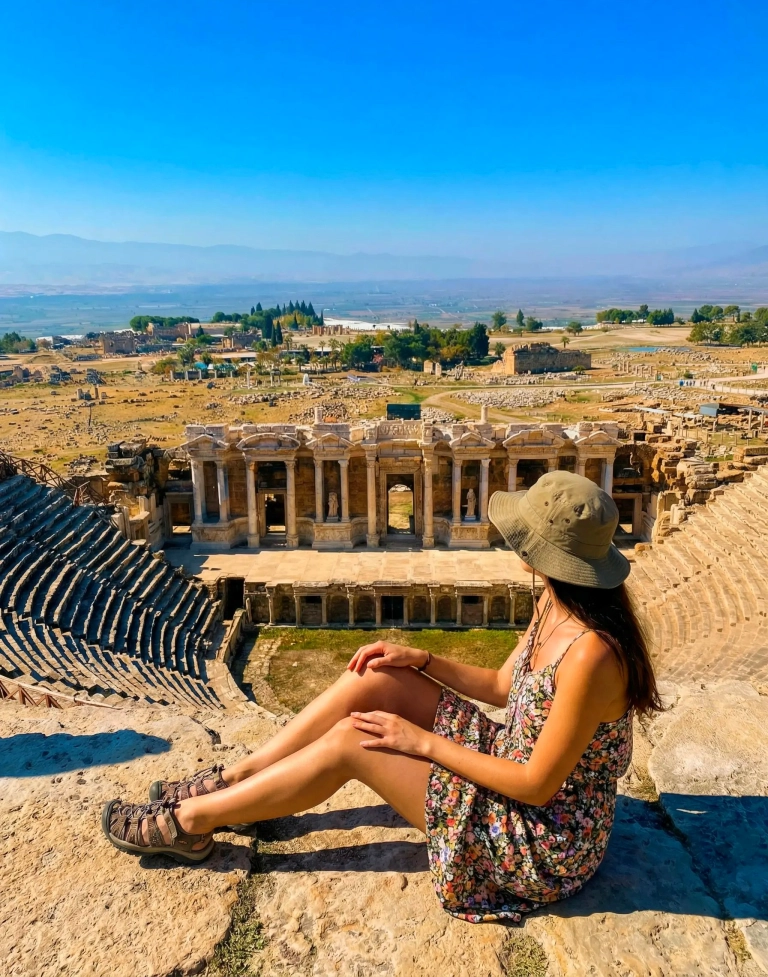
Aphrodisias and Pamukkale Heritage Flight Escape
Join a 2 day Aphrodisias and Pamukkale Heritage Flight Escape from Istanbul by domestic flight and private VIP vehicle. Visit Aphrodisias Ancient City and Aphrodisias Archaeological Museum, then continue to Pamukkale white terraces, Cleopatra Pool, and Hierapolis Ancient Site.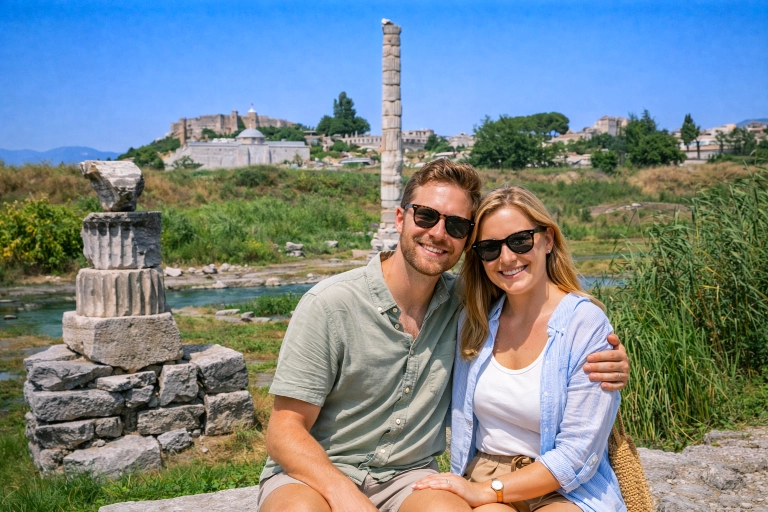
Ephesus and Pamukkale Heritage Flight Escape
Join a 2 day Ephesus and Pamukkale Heritage Flight Escape from Istanbul by domestic flight and private VIP vehicle. Visit Ephesus Ancient City, House of Virgin Mary, Temple of Artemis, and Ephesus Archaeological Museum, then explore Pamukkale white terraces, Cleopatra Pool, and Hierapolis Ancient Si