
Dirilis Ertugrul Ghazi Legacy Tour

Follow the legacy of Ertugrul Ghazi on a private 2-day route from Ankara with Bilecik, Sogut, Turgut Alp tomb, Bursa Ottoman landmarks, and Uludag.
Highlights
- Bilecik and Sogut, foundational geography of early Ottoman state formation
- Sheikh Edebali Shrine, a core spiritual reference in Ottoman foundation narratives
- Ertugrul Gazi Tomb, one of the most visited symbols of Kayi-Ottoman memory
- Turgut Alp area in Inegol, linked to one of the key frontier commanders of Osman Gazi period
- Bursa Ulu Mosque and Koza Han, major monuments of early Ottoman urban and trade heritage
- Osman-Orhan tombs, Green Tomb, and Uludag panorama, essential landmarks of imperial Bursa identity
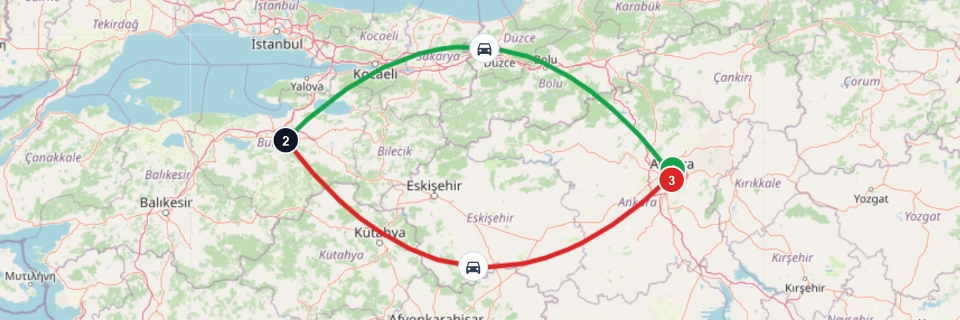
Dirilis Ertugrul Ghazi Legacy Tour
Follow the legacy of Ertugrul Ghazi on a private 2-day route from Ankara with Bilecik, Sogut, Turgut Alp tomb, Bursa Ottoman landmarks, and Uludag.
Itinerary
This Dirilis Ertugrul Ghazi tour starts from Ankara and follows the early Ottoman foundation route across Bilecik and Sogut. In Bilecik, you visit the Sheikh Edebali Shrine, one of the most meaningful spiritual points connected with the rise of the Ottoman dynasty. The program then continues to Sogut, accepted as the first capital of the Ottoman principality in its formative period. At the Ertugrul Gazi Tomb complex, you see the memorial area linked with Halime Hatun and other early Kayi heritage figures. This first stage creates a strong Ottoman origins itinerary for travelers interested in political and spiritual history.
After Sogut, the route moves toward Inegol for the tomb of Turgut Alp, one of the key warrior names of the early Ottoman expansion period. The journey then continues to Bursa, the first major imperial capital of the Ottoman state. In Bursa, you visit Ulu Mosque and Koza Han, where architecture, calligraphy, and historical trade culture are experienced together. The itinerary also includes the Tombs of Osman and Orhan in Tophane and the Green Tomb complex as major dynastic monuments. This section provides a complete Bursa Ottoman heritage tour in a compact schedule.
The program also includes Uludag, one of Turkeys most popular mountain destinations and an important seasonal highlight in Bursa region. In winter, this area is known for snow activities, while in warmer months it offers fresh air and scenic mountain views. Because the service is private, timing can be adapted for photography, short walks, and focused historical explanations. All stops are directly tied to the listed tour content and no unrelated destinations are inserted. Overall, it is a practical private Ertugrul Ghazi legacy package from Ankara.
-
Day 1
Bilecik and Sogut Ottoman Foundation Route
D
Pickup in Ankara and departure for Bilecik-Sogut route.
Day one starts with private transfer from Ankara toward Bilecik.
Transfer to BilecikRoad segment from Ankara to Bilecik city zone.
Transfer reaches Bilecik where Ottoman foundation route begins.
Sheikh Edebali ShrineVisit shrine associated with Ottoman spiritual guidance tradition.
Sheikh Edebali Shrine is a major symbolic landmark of early Ottoman state memory.
The Sheikh Edebali Shrine is one of the most symbolically important stops for understanding the spiritual beginnings of the Ottoman world. Sheikh Edebali occupies a special place in Ottoman memory, not only as a religious figure but as a guide associated with the dynasty's formative vision. That gives the shrine a significance greater than its size might suggest. This is a place of origin story as much as of devotion. It carries quiet but unmistakable historical weight.
As you visit, try to approach the site not only as a tomb or shrine, but as a place where memory, legitimacy, and spiritual counsel all converge in early Ottoman tradition. Travelers often appreciate it because it reveals a more reflective side of dynastic history than palaces or imperial mosques alone can show. The shrine also helps make Bilecik's heritage role much clearer. It is a stop for symbolic depth rather than spectacle. That is exactly what makes it meaningful.
Orhan Gazi Mosque AreaStop at hill complex around Bilecik's Ottoman-era mosque zone.
Orhan Gazi mosque area anchors one of Bilecik's principal early Ottoman viewpoints.
The Orhan Gazi Mosque area helps connect Bilecik to the earliest architectural and dynastic memory of the Ottoman world. This is not a late imperial monument zone, but a place where beginnings matter more than grandeur. That gives the stop a quieter but very meaningful character, especially for travelers interested in the formative period of Ottoman history. The area also works as a heritage core where the city's historical identity becomes easier to read. It is a stop shaped by origin and continuity.
As you spend time here, notice how early Ottoman spaces often feel more intimate and regionally grounded than later imperial landmarks. Travelers usually appreciate places like this because they reveal the Ottoman story at an earlier and more human scale. The area also benefits from its hill and town context, which helps memory, landscape, and architecture reinforce one another. This is a stop for historical depth rather than spectacle. In that sense, it is especially rewarding.
Transfer to SogutRoad transfer from Bilecik center to Sogut district.
Transfer reaches first-capital area of Ottoman principality period.
Ertugrul Gazi TombVisit the tomb complex of Ertugrul Gazi.
Ertugrul Gazi Tomb is one of the most important commemorative sites of Kayi-Ottoman heritage.
The tomb of Ertugrul Gazi is one of the most meaningful commemorative stops for travelers interested in Ottoman frontier history and the early formation of dynastic memory. The site carries symbolic weight well beyond its physical scale. This is because Ertugrul stands at the threshold between legend, clan history, and the later imperial story. That gives the visit unusual emotional resonance. It feels foundational rather than ornamental.
As you spend time at the tomb complex, notice how memorial atmosphere and historical imagination reinforce one another. Travelers often appreciate this stop because it connects the Ottoman story to a more personal and ancestral register. The site invites reflection on beginnings rather than triumph alone. That is part of what makes it compelling. It is one of those places where heritage becomes almost genealogical in tone.
Halime Hatun Tomb AreaStop at adjacent family tomb and memorial section.
Halime Hatun area forms part of Sogut's foundational dynastic memorial landscape.
The Halime Hatun tomb area forms part of Sogut's important early dynastic memory, where family remembrance and the symbolic roots of the Ottoman story remain central to the visit. The site feels solemn and intimate, encouraging a more thoughtful pace than many larger monuments do. Rather than impressing through scale, it carries meaning through association, lineage, and the emotional weight of place. In a route centered on Ottoman foundations, this stop adds a distinctly personal dimension.
It is worth taking a moment here to think about how historical identity is often shaped not only by palaces and battles, but also by family memory and sacred burial landscapes. Sogut preserves that sense especially well, and this area contributes to it in a quiet but important way. Visitors often come away with a stronger feeling for the human side of the founding narrative. That makes the stop memorable even in its simplicity.
Transfer to Inegol (Turgut Alp Area)Road transfer toward Inegol route segment.
Transfer reaches the area linked with Turgut Alp's historical legacy.
Turgut Alp Memorial AreaVisit area associated with Turgut Alp and frontier-era commanders.
Turgut Alp memorial stop highlights one of the core military figures of Ottoman foundation period.
Turgut Alp Memorial Area introduces you to another name from the frontier world that shaped early Ottoman expansion. The atmosphere here is more about remembrance and martial heritage than urban grandeur, which gives the stop a distinct character. Visiting this area helps broaden the story beyond the sultans themselves and reminds you of the commanders and companions who helped build the early state. It is a meaningful stop for travelers who want a fuller picture of the Ottoman foundation narrative.
The memorial setting encourages a more thoughtful pace, especially when it is visited as part of a wider Bilecik-Sogut route. Rather than focusing on monumental architecture, the experience is about historical memory, loyalty, and the frontier ethos of the era. This adds texture to the journey, because it shows how local landscapes still hold the names and identities of foundational figures. Even a brief visit can leave a strong impression if you are following the story carefully.
Lunch Break on Sogut-Inegol RouteMidday meal break during route (not included).
Lunch break is scheduled and paid directly by guests.
This lunch break on the Sogut and Inegol route comes after a day rich in the early Ottoman story, from shrine complexes and tombs to the memory of frontier warriors and founders. The route has already carried you through places where political power, spirituality, and identity first began to take shape. A midday meal here feels especially fitting, because the inland Marmara landscape is closely tied to village hospitality and strong regional traditions. It offers a quieter, more human counterpart to the historical weight of the sites.
This is a very good place to look for robust local dishes, especially grilled meats, soups, village breakfasts turned into lunch plates, or specialties associated with Inegol and Bursa. If an İnegöl köfte style dish is available, it makes perfect sense in this setting and adds a distinctly local note to the day. Fresh bread, roasted peppers, yogurt, and simple salads often round out the meal in a way that feels generous without being formal. You leave the table with a stronger sense of how history and everyday Anatolian food culture still belong to the same landscape.
Transfer to Bursa HotelDrive to Bursa for overnight stay.
Day one concludes with hotel check-in and included dinner in Bursa.
-
Day 2
Bursa Imperial Heritage Route
B
Start day-two Bursa heritage route after breakfast.
Morning departure begins imperial Bursa monument sequence.
Bursa Ulu MosqueVisit monumental early Ottoman mosque interior.
Ulu Mosque is one of Bursa's most significant architectural landmarks of early Ottoman era.
Bursa Ulu Mosque is one of those monuments whose importance becomes obvious the moment you step inside, because the interior feels expansive, balanced, and unmistakably Ottoman in spirit. The mosque is central to Bursa's identity and to the story of the early Ottoman capital. That makes the visit essential rather than optional. It is a place where architecture, faith, and dynastic memory meet very clearly. The monument speaks through presence rather than ornament alone.
As you explore the space, pay attention to the calligraphic richness and the calm dignity of the hall, which many travelers find especially memorable. Even visitors who are not usually drawn to religious architecture often appreciate how unified and serene the building feels. The mosque anchors Bursa historically and emotionally. It is one of the strongest interior experiences on the route. This is a place best absorbed slowly.
Koza HanVisit historical silk-trade courtyard and covered bazaar area.
Koza Han represents Bursa's historic role in Ottoman silk and commercial networks.
Koza Han is one of Bursa's most atmospheric commercial monuments, where the city's long relationship with the silk trade still feels visible and tangible. The courtyard setting gives the stop a pleasant rhythm, with arcades, tea tables, and commercial memory all gathered into one place. This is not just a bazaar structure, but a window into Bursa's role within larger Ottoman and regional trade networks. The building makes commerce feel elegant rather than purely practical. It is one of the city's most enjoyable heritage spaces.
As you spend time in the courtyard, imagine the merchants, caravans, and silk transactions that once gave the han its full energy. Travelers often appreciate Koza Han because it combines architecture, atmosphere, and a living sense of urban continuity. Even today, the space invites lingering rather than rushing through. It also works beautifully as a pause for tea while absorbing the city's historic trading identity. Koza Han is graceful, social, and deeply tied to Bursa's character.
Osman and Orhan Tombs (Tophane)Visit founding-sultans' mausoleum complex overlooking city.
These tombs preserve core dynastic memory of the first Ottoman rulers.
Osman and Orhan Tombs (Tophane) offer one of Bursa's clearest connections to the first chapter of Ottoman history. The mausoleum complex is set in a commanding part of the city, so the visit naturally combines reverence with a strong visual sense of place. Being here makes the founding period feel more immediate, because you are standing near the resting places of rulers whose decisions shaped an empire. The setting is calm, dignified, and rich in symbolic weight.
Tophane also gives the stop extra depth, since the hill links the tombs to broad city views and a wider heritage landscape. As you look out from the area, the relationship between memory, power, and place becomes easier to understand. This is not a rushed monument stop; it is better experienced as a pause for perspective. Visitors interested in early Ottoman history usually find this one of the most memorable points in Bursa.
Green Tomb (Yesil Turbe)Visit iconic tiled tomb complex of early Ottoman period.
Green Tomb is one of Bursa's most distinctive monuments for tile and mausoleum design.
Green Tomb, or Yesil Turbe, is one of Bursa's most distinctive monuments and one of the finest examples of early Ottoman funerary architecture. Its turquoise-toned tile decoration gives the building an identity that is both elegant and immediately memorable. Even before you study the details, the monument stands out for its refined color and balanced form. This is a stop where artistic delicacy matters as much as historical importance. It is one of the signatures of Bursa's Ottoman heritage.
As you spend time here, pay attention to how the tile work and mausoleum design create an atmosphere of dignity without heaviness. The monument reflects a period when the Ottoman visual language was still developing its own clear character. Travelers often appreciate Green Tomb because it feels intimate, beautiful, and unlike the grand imperial architecture of later centuries. It is also a strong reminder that Bursa was once a central stage of Ottoman dynastic memory. The stop is graceful, focused, and culturally rich.
Uludag Panorama StopScenic stop on Uludag access route with city views.
Uludag viewpoint offers broad panorama over Bursa basin and mountain landscape.
Uludag Panorama Stop is a scenic pause that shows why Bursa has always been associated with both history and nature. From here, the mountain route opens toward broad views, and the city appears framed by green slopes and changing light. The stop feels especially pleasant after visits to mosques, tombs, and old quarters, because it lets the day breathe. Even a short panorama break here can reset your pace and sharpen your sense of the region.
Look carefully at the relationship between the city and the mountain, because that balance is part of Bursa's identity. Uludag is not only a backdrop, but a presence that shapes climate, recreation, and the character of the city itself. On a clear day, the views feel wide and generous, while cloudy weather can make the stop even more atmospheric. It is a simple stop, but one that often stays in memory because of the feeling of openness it brings.
Lunch Break in BursaMidday meal break during route (not included).
Lunch break is scheduled and paid directly by guests.
Lunch Break in Bursa is a very good moment to taste one of Türkiye's most respected urban food traditions. Bursa is known for generous, deeply rooted cuisine, and even a short meal stop here can feel more distinctive than an ordinary transfer break. The city's food culture carries Ottoman echoes as well as a strong regional identity, which makes lunch especially satisfying for travelers. It is the kind of stop where the route can briefly turn into a culinary experience.
If you want the most local choice, look for Iskender kebab, Bursa's best-known signature, with thin slices of meat served over bread with tomato sauce, yogurt, and butter. You may also find chestnut sweets, rich dairy elements, and hearty dishes that suit the city's long culinary reputation. A good lunch here should feel flavorful, classic, and unmistakably tied to place. Bursa is one of those cities where food alone can justify the stop.
Return Transfer to AnkaraRoad transfer back toward Ankara.
Intercity return segment completes the 2-day Ertugrul Ghazi heritage route.
Ankara Arrival and Final Drop-offFinal drop-off and service completion.
Tour services conclude with drop-off at designated point in Ankara.
Got a question about this tour?
Reach out to our travel experts.
Informations
-
What's Included
- 1 night accommodation with dinner (4-star or special-class boutique category)
- Private deluxe A/C VIP vehicle for all transfers and tours
- Pickup from your hotel or meeting point
- Drop-off to your hotel or meeting point
- Parking fees for listed route locations
- Private professional licensed tour guide
- Private tour operation only for your group
- Local taxes
-
What's Excluded
- Museum and site admission fees
- Personal expenses
- Lunches and beverages
- Domestic transportation tickets unless explicitly added to booking
- Gratuities for guide and driver
-
Entrance Fees
- Entrance fees are not included and are paid directly on site according to current official rates.
-
Travel Tips
- Use comfortable walking shoes and seasonal layers; route includes shrine visits
- cemetery grounds
- old-city walking
- and hill viewpoints.
-
Note
- Route timing may vary by intercity traffic between Ankara-Bilecik-Bursa corridor and seasonal visitor density at Sogut and Bursa heritage sites.
Your Peace of Mind Options
Cancellation Policy
A transparent overview of applicable fees.
Customer Comments - Tripadvisor Write A Review!
Customer Comments - Tripadvisor



Tour Reminder!
You can create a reminder for yourself for this tour. We will send you a reminder e-mail/sms about this tour on the date you specify.
FAQs
-
What does the 2 Days Dirilis Ertugrul Ghazi Heritage Tour include?
- Private tour operation only for your group
- Private professional licensed tour guide
- Private deluxe A/C VIP vehicle for all transfers and tours
- Pickup and drop-off at your hotel or meeting point
- Parking fees for listed route locations and local taxes
- 1 night accommodation with dinner (4-star or special-class boutique category)
-
Is transportation from Ankara included?
- This itinerary is operated overland with private VIP vehicle service
- Domestic transportation tickets are excluded unless explicitly added to booking
-
What is covered on Day 1 (Bilecik and Sogut foundation route)?
- Transfer from Ankara to Bilecik
- Sheikh Edebali Shrine
- Transfer to Sogut
- Ertugrul Gazi Tomb and Halime Hatun tomb area
- Transfer to Inegol (Turgut Alp area)
- Overnight in Bursa with included dinner
-
What is covered on Day 2 (Bursa imperial heritage route)?
- Bursa Ulu Mosque
- Koza Han
- Osman and Orhan tombs (Tophane area)
- Green Tomb (Yesil Turbe)
- Uludag panorama stop
- Return transfer to Ankara
-
Is this tour only for fans of the TV series?
- No. The route focuses on early Ottoman foundation geography and heritage sites
- It can be enjoyed as a historical and cultural itinerary even without series knowledge
-
Is this a private tour?
- Yes. It is operated privately for your group with a private guide and VIP vehicle
- Pace can be adjusted within the operational route
-
Are entrance fees included?
- No. Museum and site admission fees are excluded
- Please plan budget for any paid entries along the route
-
Are lunches and beverages included?
- No. Lunches and beverages are excluded
- Hotel dinner is included for the overnight stay
-
What should I wear for shrine and mosque visits?
- Modest dress is recommended
- Some active worship areas may request head covering for women
- Shoes are removed at mosque entrances
-
What is not included in the price?
- Museum and site admission fees
- Lunches and beverages
- Personal expenses
- Domestic transportation tickets unless explicitly added to booking
- Gratuities for guide and driver
General FAQs
-
What currency is used in Turkey?
Turkey uses the Turkish Lira (TRY).
- Cards are widely accepted in cities and tourist areas, but cash is still useful for small purchases.
- ATMs are common. Exchange offices and banks are also available.
-
Can I pay by credit card in Turkey?
In most restaurants, hotels, and shops you can pay by card.
- For markets, small shops, taxis, and tips, carrying some cash is recommended.
- Let your bank know you are traveling to avoid card blocks.
-
Is Turkey safe for tourists?
Turkey is generally safe for visitors, especially in main tourist areas.
- As in any destination, watch out for pickpockets in crowded places.
- Use licensed taxis/transport where possible and keep valuables secure.
-
What should I wear when visiting mosques in Turkey?
Dress modestly when entering mosques.
- Shoulders and knees should be covered.
- Women may be asked to cover their hair.
- Shoes are usually removed at the entrance.
-
Do I need a visa to visit Turkey?
Visa requirements depend on your nationality.
- Please check the latest rules from official sources (consulate/embassy or the official e-visa portal) before travel.
-
What is the best time to visit Turkey?
Spring and autumn are popular because temperatures are usually milder.
- Summer can be hot on the coast and inland.
- Winter is quieter and can be great for cities and some regions.
-
Will English be enough in Turkey?
Turkish is the official language. In tourist areas, English is commonly spoken.
- Learning a few basic Turkish words is appreciated and can help outside major areas.
-
What power plug is used in Turkey?
Turkey typically uses Type C and Type F plugs (220V, 50Hz).
- If your devices use a different plug type, bring a travel adapter.
-
Is tap water safe to drink in Turkey?
In many places, visitors prefer bottled water.
- Hotels and restaurants usually provide bottled water easily.
-
Is tipping expected in Turkey?
Tipping is common and appreciated for good service.
- In restaurants, rounding up or leaving a small amount is typical.
- For guides and drivers, tips are at your discretion based on satisfaction.
-
Do I need to carry my passport in Turkey?
We recommend keeping your passport safely in your hotel and carrying a copy (photo or printed) when out.
- Some venues may request an ID; your guide can advise for your route.
-
Do museums and sites have weekly closure days in Turkey?
Opening hours can change by season and some venues may have weekly closure days.
- We recommend checking the latest opening hours close to your travel date.
- Starting earlier in the day helps to avoid crowds at popular sites.
-
What are the emergency numbers in Turkey?
Dial 112 for emergencies (medical, police, fire and other urgent situations).
- 112 is a unified emergency line in Turkey.
- If you do not speak Turkish, try English and share your location clearly.
-
How do I get from airports to the city in Turkey?
Options depend on the city, but common choices are:
- Official airport taxi
- Airport shuttles/buses
- Metro/train (available in some cities)
- Pre-booked private transfers
If you arrive late at night or with luggage, a pre-booked transfer can be the easiest option.
-
Are taxis and ride-hailing apps reliable in Turkey?
Use licensed taxis and make sure the meter is used (unless a fixed airport fare is confirmed).
- In some cities, taxi-hailing apps can help you find a taxi more easily.
- If possible, keep small cash and ask for a receipt when needed.
-
How do I buy a SIM/eSIM in Turkey?
You can buy SIM/eSIM options from mobile operators and official stores.
- Bring your passport for registration.
- For longer stays, foreign phones may require device registration (IMEI) to keep working on local networks.
-
What are typical opening hours in Turkey?
Opening hours vary by city and season.
- Many shops and malls stay open late, especially in tourist areas.
- Some museums may close earlier and may have weekly closure days.
- During national or religious holidays, hours can change.
-
How do pharmacies work in Turkey (duty pharmacy)?
Pharmacies are called Eczane. Outside normal hours, there is usually a rotating on-duty pharmacy (Nöbetçi Eczane).
- Regular pharmacies typically post the on-duty pharmacy information on the door/window.
- Your hotel reception can also help you find the nearest one.
Let's Customize Your Trip!
Prepare your own tour plan!
Good to Know
-
Good to know: expect long driving segments
- This route connects Ankara, Bilecik, Sogut, Inegol and Bursa
- Traffic can affect timings
-
Good to know: Sogut can be busy on special days
- Seasonal events can increase visitor density
- Flexible pacing helps the experience
-
Good to know: plan cash for tickets and lunches
- Entrance fees are excluded
- Lunches and beverages are excluded
-
Good to know: comfortable shoes are recommended
- Heritage complexes include walking, steps and uneven paths
- Shoes with good grip improve comfort
-
Good to know: respect dress code at sacred sites
- Modest clothing helps avoid delays
- Photography rules can vary, follow local guidance
Want to read it later?
Download this tour’s PDF brochure and start tour planning offline
Similar Tours

Izmir and Ephesus Heritage Escape
Discover a 2 days Izmir and Ephesus Heritage Escape from Ankara by flight with private guide. Visit Izmir city center, Konak Square, Kemeralti Bazaar, Kadifekale, Agora, Izmir Archaeological Museum, Ephesus, House of Virgin Mary, and Temple of Artemis.
Izmir and Sardes Heritage Journey
Discover a 2 days Izmir and Sardes Heritage Journey from Ankara by flight with private guide. Visit Izmir Old Smyrna center, Konak Square, Kemeralti Bazaar, Kadifekale, Agora, Izmir Archaeological Museum, Sardes Archaeological Site, gymnasium, synagogue, and Temple of Artemis.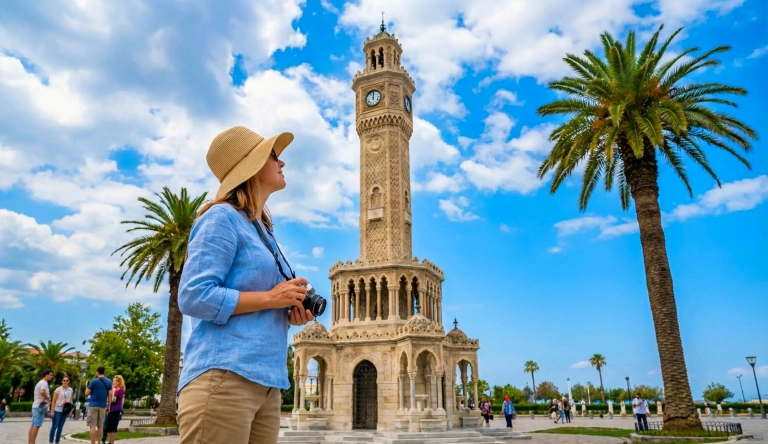
Izmir and Pamukkale Heritage Escape
Discover a 2 days Izmir and Pamukkale Heritage Escape from Ankara by flight with private guide. Visit Izmir Old Smyrna center, Konak Square, Kemeralti Bazaar, Kadifekale, Agora, Izmir Archaeological Museum, Pamukkale terraces, Hierapolis, and Cleopatra Pool.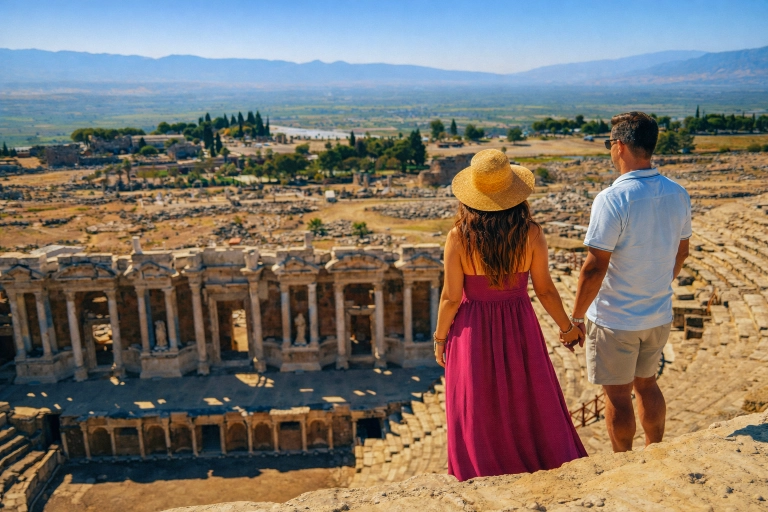
Aphrodisias and Pamukkale Heritage Journey
Discover a 2 days Aphrodisias and Pamukkale Heritage Journey from Ankara by flight with private guide. Visit Aphrodisias Ancient City, Aphrodisias Archaeological Museum, Pamukkale white terraces, Hierapolis Ancient Site, and Cleopatra Swimming Pool.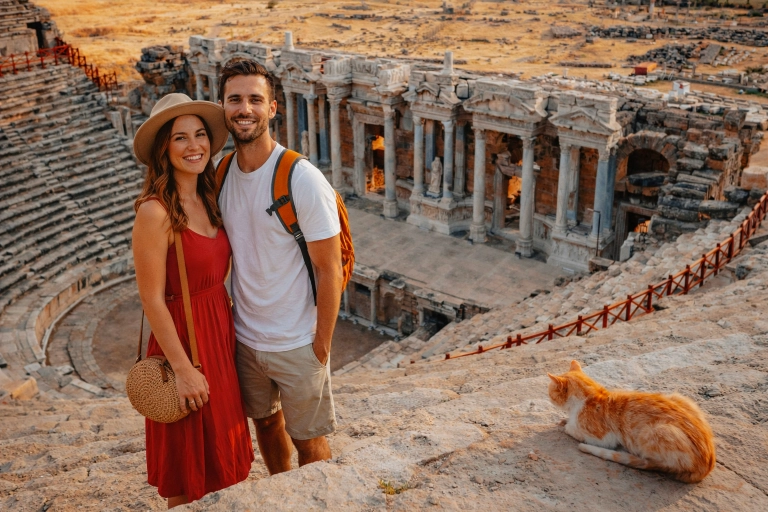
Ephesus and Pamukkale Heritage Journey
Discover a 2 days Ephesus and Pamukkale Heritage Journey from Ankara by flight with private guide. Visit Ephesus Ancient City, House of Virgin Mary, Temple of Artemis, Ephesus Museum, Pamukkale, Hierapolis, and Cleopatra Pool.
Ephesus and Aphrodisias Heritage Journey
Discover a 2 days Ephesus and Aphrodisias Heritage Journey from Ankara by flight with private guide. Visit Ephesus Ancient City, House of Virgin Mary, Temple of Artemis, Ephesus Archaeological Museum, Aphrodisias Ancient City, and Aphrodisias Archaeological Museum.
Ionian Cities Heritage Journey
Discover a 2 days Ionian Cities Heritage Journey from Ankara by flight with private guide. Visit Ephesus Ancient City, House of Virgin Mary, Temple of Artemis, Ephesus Archaeological Museum, Priene, Miletus, and Didyma Temple of Apollo.


