
Izmir and Cesme Alacati Heritage Journey

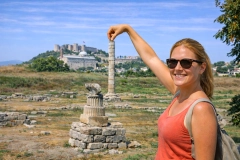
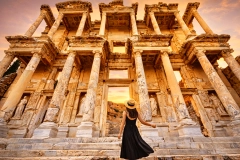
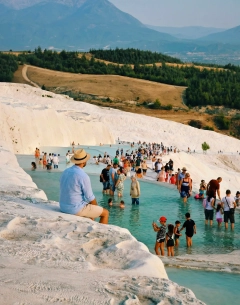
Discover a 2 days Izmir and Cesme Alacati Heritage Journey from Ankara by flight with private guide. Visit Old Smyrna city center, Konak Square, Clock Tower, Kemeralti Bazaar, Kadifekale, Agora, Izmir Archaeological Museum, Alacati, Cesme Castle, Cesme Caravanserai, Cesme Museum, and Erythrai Ancien
Highlights
- Izmir old-city core, where Konak, Kemeralti and Kadifekale preserve the city's layered historical identity
- Alacati, one of the Aegean's best-known stone-house quarters with windmill skyline and coastal village character
- Cesme Castle and Cesme Museum, strong Ottoman-era and regional archaeology focal points on the peninsula
- Erythrai Ancient Site, an Ionian coastal settlement where archaeological remains and Aegean landscape meet
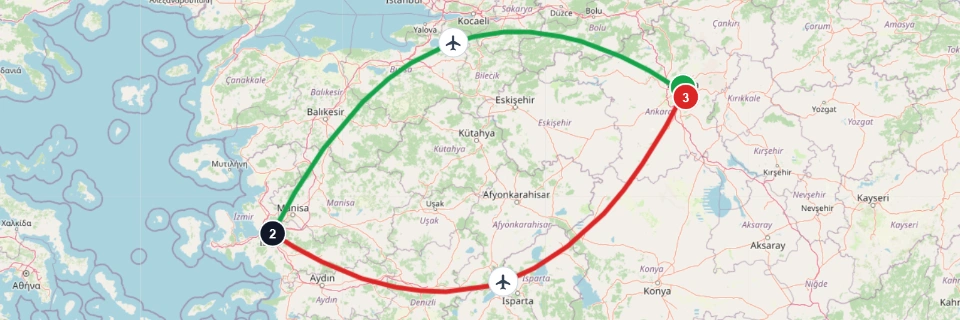
Izmir and Cesme Alacati Heritage Journey
Discover a 2 days Izmir and Cesme Alacati Heritage Journey from Ankara by flight with private guide. Visit Old Smyrna city center, Konak Square, Clock Tower, Kemeralti Bazaar, Kadifekale, Agora, Izmir Archaeological Museum, Alacati, Cesme Castle, Cesme Caravanserai, Cesme Museum, and Erythrai Ancien
Itinerary
This itinerary is designed as a complete Izmir and Cesme Alacati tour from Ankara by flight for travelers who want urban heritage and coastal culture in two days. The route combines Old Smyrna landmarks with the Cesme and Alacati corridor in one practical schedule. Guests searching an Old Smyrna city center and Konak Square program can rely on this package because all listed highlights are included directly. Day one focuses on Konak, Kemeralti, Kadifekale, Agora, and the Izmir Archaeological Museum. Day two continues with Alacati streets and windmills tour points, Cesme Castle, Caravanserai, museum visit, and Erythrai.
Day one is ideal for visitors planning a Kemeralti Bazaar Kadifekale Agora itinerary with rich city context. Konak Square and the Clock Tower provide the symbolic center of Izmir and connect naturally to the historical bazaar district. Kadifekale adds panoramic and historical depth with a strong link to the citys ancient defensive line. The Agora section introduces the archaeological layer of ancient Smyrna beside modern urban life. This part closes with an Izmir Archaeological Museum private guide experience focused on the regions long timeline.
Day two is centered on Cesme Peninsula and suits travelers who want coastal heritage and archaeology together. Alacati offers stone streets, traditional architecture, and a lively cultural atmosphere with signature windmill scenery. Cesme Castle and the Ottoman caravanserai add military and trade-route context to the route. The museum visit and Erythrai Ancient Site archaeology route complete the day with artifacts and ancient city remains. The tour ends as a dependable private Aegean coastal heritage package from Ankara by flight.
-
Day 1
Izmir Old City Heritage Route
D
Pickup in Ankara and transfer to departure airport.
Day one starts with private transfer for Izmir-bound domestic flight.
Flight from Ankara to IzmirDomestic flight segment to Izmir.
Flight segment starts the Izmir-Cesme coastal heritage route.
Transfer to Konak SquareRoad transfer to Izmir city center.
Transfer reaches Konak district where the city heritage walk begins.
Konak Square and Clock TowerWalk around Izmir's landmark civic square.
Konak Square and Clock Tower form one of Izmir's most recognizable urban symbols.
Konak Square and Clock Tower is one of those places where Izmir immediately feels open, lively, and easy to read. The elegant clock tower stands at the center like a city symbol, while the surrounding square, waterfront movement, and everyday local rhythm make the stop feel more alive than formal. Ferries, sea air, pigeons, and constant foot traffic give the area a very recognizable Aegean energy. It is an ideal place to feel the pulse of modern Izmir in just a few minutes.
This is not only a photo stop, but also a good orientation point for understanding the city. From here, you can sense how historical quarters, administrative life, and the waterfront come together in one shared urban space. The atmosphere is usually relaxed and bright, which suits Izmir's reputation as one of Turkey's most easygoing big cities. For travelers, Konak Square often becomes the moment when Izmir shifts from a name on the itinerary to a place with its own clear personality.
Kemeralti BazaarExplore traditional market streets and workshops.
Kemeralti is one of Turkey's largest historic bazaar networks still active today.
Kemeralti Bazaar shows Izmir in a more local, textured, and everyday way than a formal monument ever could. Its market streets, old passages, workshops, and trading corners still carry the feeling of a living commercial district rather than a preserved historical display. Walking here means moving through layers of daily life, where shopping, conversation, tea breaks, and long traditions continue side by side. The result feels energetic, authentic, and very rooted in the city's identity.
This is the kind of place where it helps to wander with your eyes open rather than search only for one famous spot. Details matter here, from old facades and hidden courtyards to shopfronts that seem unchanged by the pace of modern life. The bazaar also reflects Izmir's broader character as an Aegean port city shaped by exchange, diversity, and movement. For travelers, Kemeralti often feels like one of the best places to encounter the city as locals actually use it.
KadifekaleVisit the hilltop fortress overlooking Izmir gulf.
Kadifekale reflects strategic planning of ancient Smyrna on elevated terrain.
Kadifekale offers one of the clearest panoramic introductions to Izmir. Rising above the city, the hilltop fortress gives you space to look out over the gulf, the dense urban fabric, and the layers of settlement that connect ancient Smyrna with the modern metropolis below. The view is the first thing most travelers remember, especially when the light is clear and the coastline opens in front of you. It is a stop where geography explains history in a very direct way.
The fortress area also carries the feeling of a strategic lookout, which helps you understand why this height mattered for so long. Even when the surviving structures are modest, the position itself tells the story of defense, control, and urban planning across centuries. Take a moment here to read the city with your eyes, from the waterfront to the hills beyond. Kadifekale is one of those places where a short stop can still leave a strong sense of place.
Smyrna AgoraVisit the ancient agora ruins in modern city center.
Smyrna Agora preserves Roman-era civic and commercial urban structures.
Smyrna Agora is one of the most striking places in Izmir because ancient urban life appears in the middle of the modern city rather than far outside it. Walking through the remains, you can feel the commercial and civic importance this space once held, while traffic, buildings, and present-day life continue around it. That contrast gives the site unusual energy. It is not a remote ruin, but a visible reminder that the city has been layered, rebuilt, and inhabited for centuries.
The agora becomes more meaningful when you imagine it not as isolated stones, but as the working heart of ancient Smyrna. Colonnades, open courts, and surviving structural lines help you picture trade, conversation, administration, and public movement unfolding here day after day. For travelers interested in Roman urban life, it is one of the most rewarding stops in Izmir. Smyrna Agora makes the past feel unusually close because the present city never fully moved away from it.
Izmir Archaeological MuseumGuided visit through regional archaeological collections.
The museum offers key context for western Anatolian civilizations from prehistory onward.
Izmir Archaeological Museum is where the wider story of the region starts to come together in a clearer and more complete way. After seeing sites in the field, the museum helps you connect monuments, cities, and historical periods through sculpture, inscriptions, ceramics, and carefully preserved finds. It gives shape to the civilizations that once filled the landscapes around Izmir. For many travelers, this kind of visit transforms scattered impressions into a fuller understanding.
What makes the museum valuable is not only the quality of the artifacts, but the perspective they provide on western Anatolia as a whole. Instead of focusing on one single site, the galleries allow you to read the region across centuries and across different centers of power and belief. It is also a good place to slow down after a busy route and look closely at details you might miss outdoors. Izmir Archaeological Museum often becomes the stop that ties the entire day together.
Lunch Break in IzmirMidday meal break during route (not included).
Lunch break is scheduled and paid directly by guests.
Lunch Break in Izmir should feel bright, local, and unmistakably Aegean. The city's food culture is shaped by herbs, olive oil, market produce, street favorites, and practical dishes that carry plenty of flavor without becoming too heavy. That makes lunch in Izmir especially enjoyable during a sightseeing route, because it refreshes you while still giving a strong sense of regional identity. The meal can be as simple or as varied as you want, and that flexibility is part of the city's charm.
If you want to try recognizable local flavors, look for İzmir köfte, herb-based dishes such as şevket-i bostan or arapsaçı, stuffed zucchini flowers, and olive-oil vegetables. Depending on the setting, you might also see city favorites like kumru, boyoz, or lokma in the wider food scene around you. A good Izmir lunch usually combines freshness, simplicity, and confidence rather than rich excess. It is the kind of meal that suits a city known for being lively, coastal, and easy to enjoy.
Izmir Hotel Check-in and DinnerOvernight stay with included dinner.
Day one concludes with hotel check-in and included dinner in Izmir.
-
Day 2
Alacati and Cesme Peninsula Route
B
Start day-two Cesme peninsula route after breakfast.
Morning departure heads west from Izmir toward Alacati and Cesme.
Alacati Old TownWalk through stone streets and historic windmill quarter.
Alacati is one of the Aegean coast's signature towns with preserved architecture and local life.
Alacati Old Town is one of the Aegean coast's most enjoyable places to stroll, with stone houses, narrow streets, and a breezy atmosphere shaped by both history and style. The town has a very recognizable identity, balancing preserved architecture with cafés, boutiques, and easygoing local life. Even a short walk here feels rewarding because the streetscape is so consistently charming. It is the kind of place where you naturally slow down, look around, and keep spotting small details. Alacati combines heritage and liveliness in a very approachable way.
As you explore, notice how the town's texture changes with the light, especially around restored facades, window shutters, and bougainvillea-lined corners. If you have time for a short break, this is a pleasant place to enjoy an Aegean coffee stop or browse local design shops. The atmosphere is polished, but it still retains the sense of an old coastal town shaped by wind, trade, and village-scale life. Travelers often remember Alacati for how walkable and photogenic it feels without losing authenticity. It is a relaxed and stylish stop that adds a lighter rhythm to the route.
Cesme CastleVisit the seafront Ottoman-period castle complex.
Cesme Castle remains one of the peninsula's strongest fortified heritage landmarks.
Cesme Castle rises above the harbor as one of the peninsula's most important Ottoman landmarks, combining military strength with a commanding coastal setting. Its thick walls and seafront position immediately show why this was once a strategic point for controlling movement along the Aegean shore. From here, you can feel the connection between trade, defense, and maritime life that shaped the town's history. The castle also gives Cesme a strong visual identity, anchoring the waterfront with a sense of permanence. It is both a monument and a superb viewpoint.
As you walk around the fortress, take time to look out over the marina, the sea, and the low-rise townscape stretching around the bay. The contrast between solid stone architecture and the bright Aegean light makes this a particularly photogenic stop. It is easy to imagine the centuries of sailors, merchants, and soldiers who once approached this coastline under the watch of the same walls. If you are exploring Cesme for the first time, the castle is one of the best places to orient yourself. It offers history, atmosphere, and a broad view of the town in a single visit.
Cesme MuseumVisit archaeological and regional exhibits inside castle zone.
Cesme Museum presents finds from the peninsula and surrounding ancient settlements.
Cesme Museum adds depth to your understanding of the peninsula by bringing together archaeological and regional material within a more focused interpretive setting. Rather than relying only on outdoor impressions, the museum helps connect Cesme to the older settlements and maritime history that shaped the area. This makes the visit particularly useful if you want to understand the peninsula as more than a resort landscape. The exhibits give context to the ruins, fortifications, and coastal routes you may have already seen. It is a quieter stop, but a very informative one.
As you move through the displays, notice how regional museums often tell broader stories through smaller objects and local finds. Cesme becomes more interesting when seen through these layers of continuity rather than only through its modern beach-town identity. Travelers often appreciate the museum because it anchors the wider itinerary in concrete evidence and place-specific detail. It is also a good complement to the castle and town walk. Together, they create a fuller picture of Cesme's past.
Cesme CaravanseraiStop at restored Ottoman caravanserai structure.
Cesme Caravanserai reflects maritime trade-era accommodation architecture.
The Cesme Caravanserai reflects the commercial life that once animated this Aegean port, where trade, travel, and accommodation were tightly connected. Its restored form gives you a clear sense of the Ottoman-era architecture that supported movement through coastal towns like Cesme. This is not a grand imperial monument, but it is historically important because it speaks to everyday commerce and the networks behind it. The building adds texture to the town beyond the castle and the marina. It is a useful stop for understanding Cesme as a working port as well as a scenic destination.
As you look at the structure, imagine merchants and travelers using this space as part of a busy maritime economy. The caravanserai helps reveal how deeply the town was tied to exchange across the Aegean. Travelers often appreciate stops like this because they show the practical side of history rather than only its ceremonial face. It also fits naturally within the waterfront character of Cesme. The result is a compact but meaningful historical encounter.
Erythrai Ancient SiteVisit coastal Ionian site with theater and urban remains.
Erythrai links Ionian archaeology with the peninsula's natural coastal landscape.
Erythrai offers a quieter, more atmospheric encounter with the ancient Ionian world on the windswept coast near Ildiri. Unlike larger archaeological sites, this stop often feels intimate, allowing you to appreciate the dialogue between history, sea, and landscape without heavy crowds. The remains speak of a city-state connected to maritime trade, regional power, and the wider Aegean cultural sphere. Even in fragmentary form, the site carries the elegance of an old coastal settlement shaped by both geography and commerce. It is a rewarding place for travelers who enjoy history in a more contemplative setting.
As you look across the archaeological traces, notice how the natural scenery remains part of the experience rather than a backdrop. The coastline helps explain why places like Erythrai flourished through their relationship with the sea. This stop is especially satisfying if you like connecting ancient history with the broader character of the peninsula today. There is a calm, open quality here that makes it easy to imagine ships, trade routes, and daily life tied to the shore. Erythrai may be less famous than some major classics, but that is part of its charm.
Lunch Break in Cesme RouteMidday meal break during route (not included).
Lunch break is scheduled and paid directly by guests.
A lunch break on the Cesme route works well because the peninsula naturally encourages a slower, more coastal pace than a city-centered itinerary. By the time you stop to eat, the route has already delivered heritage, sea, and small-town atmosphere, so the meal becomes part of the Aegean experience rather than just a practical stop. The setting tends to feel open and comfortable. It is easy to reset here before continuing.
For food, Aegean staples are the obvious match. Olive-oil dishes, meze, seafood, grilled meats, fresh bread, and crisp salads all suit the area, and they usually feel better than a heavy midday meal. A small cafe or local restaurant stop can be enough to make the break memorable. The route benefits from this easygoing coastal interlude.
Transfer to Izmir AirportTransfer to departure airport for Ankara return flight.
Transfer is arranged according to booked domestic departure schedule.
Flight from Izmir to AnkaraDomestic return flight to Ankara.
Flight segment completes return after Izmir-Cesme route.
Ankara Arrival and Final Drop-offArrival in Ankara and service completion.
Tour services conclude with final drop-off at designated point.
Got a question about this tour?
Reach out to our travel experts.
Informations
-
What's Included
- 1 night accommodation with dinner (4-star or special-class boutique category)
- Private deluxe A/C VIP vehicle for all ground transfers and tours
- Pickup from your hotel or meeting point
- 4 airport transfers as listed in itinerary
- Drop-off to your hotel or meeting point
- Parking fees for listed route locations
- Private professional licensed tour guide
- Private tour operation only for your group
- Local taxes
-
What's Excluded
- Museum and site admission fees
- Personal expenses
- Lunches and beverages
- Domestic flight tickets unless explicitly added to booking
- Gratuities for guide and driver
-
Entrance Fees
- Entrance fees are not included and are paid directly on site according to current official rates.
-
Travel Tips
- Wear comfortable walking shoes and seasonal layers; this route combines city-center streets
- coastal stone lanes
- and open archaeological terrain.
-
Note
- Route timing may vary by domestic flight schedule
- seasonal traffic to Cesme peninsula
- and local opening hours of museum and archaeological areas.
Your Peace of Mind Options
Cancellation Policy
A transparent overview of applicable fees.
Customer Comments - Tripadvisor Write A Review!
Customer Comments - Tripadvisor





Tour Reminder!
You can create a reminder for yourself for this tour. We will send you a reminder e-mail/sms about this tour on the date you specify.
FAQs
-
What does the 2 Days Izmir, Alacati and Cesme Coastal Heritage Tour include?
- Private tour operation only for your group
- Private professional licensed tour guide
- Private deluxe A/C VIP vehicle for all ground transfers and tours
- Pickup and drop-off at your hotel or meeting point
- 4 airport transfers as listed in the itinerary
- Parking fees for listed route locations and local taxes
- 1 night accommodation with dinner (4-star or special-class boutique category)
-
Are domestic flight tickets included between Ankara and Izmir?
- No. Domestic flight tickets are excluded unless explicitly added to your booking
- The itinerary is planned with flights for timing efficiency, but inclusion depends on the selected option
-
What is covered on Day 1 (Izmir old city heritage route)?
- Flight from Ankara to Izmir
- Konak Square and Clock Tower
- Kemeralti Bazaar
- Kadifekale viewpoint area
- Smyrna Agora
- Izmir Archaeological Museum
- Overnight in Izmir with included dinner
-
What is covered on Day 2 (Alacati and Cesme peninsula route)?
- Alacati Old Town
- Cesme Castle
- Cesme Museum
- Cesme Caravanserai
- Erythrai Ancient Site
- Transfer to the airport and return flight to Ankara
-
Is this a private tour?
- Yes. It is operated privately for your group with a private guide and VIP vehicle
- Pace can be adjusted within the operational route
-
Are entrance fees included?
- No. Museum and site admission fees are excluded
- Please plan budget for Cesme Castle and museum entries and Erythrai site ticket if applicable
-
Are lunches and beverages included?
- No. Lunches and beverages are excluded
- Hotel dinner is included for the overnight stay
-
How far is Cesme peninsula from Izmir?
- Cesme and Alacati are reached by overland transfer on Day 2
- Driving time can vary by seasonal traffic to the peninsula
-
Is this itinerary suitable for a relaxed coastal pace?
- Yes, but it still covers multiple stops in one day
- Your guide can adjust pacing within the operational route
-
What is not included in the price?
- Museum and site admission fees
- Lunches and beverages
- Personal expenses
- Domestic flight tickets unless explicitly added to booking
- Gratuities for guide and driver
General FAQs
-
What currency is used in Turkey?
Turkey uses the Turkish Lira (TRY).
- Cards are widely accepted in cities and tourist areas, but cash is still useful for small purchases.
- ATMs are common. Exchange offices and banks are also available.
-
Can I pay by credit card in Turkey?
In most restaurants, hotels, and shops you can pay by card.
- For markets, small shops, taxis, and tips, carrying some cash is recommended.
- Let your bank know you are traveling to avoid card blocks.
-
Is Turkey safe for tourists?
Turkey is generally safe for visitors, especially in main tourist areas.
- As in any destination, watch out for pickpockets in crowded places.
- Use licensed taxis/transport where possible and keep valuables secure.
-
What should I wear when visiting mosques in Turkey?
Dress modestly when entering mosques.
- Shoulders and knees should be covered.
- Women may be asked to cover their hair.
- Shoes are usually removed at the entrance.
-
Do I need a visa to visit Turkey?
Visa requirements depend on your nationality.
- Please check the latest rules from official sources (consulate/embassy or the official e-visa portal) before travel.
-
What is the best time to visit Turkey?
Spring and autumn are popular because temperatures are usually milder.
- Summer can be hot on the coast and inland.
- Winter is quieter and can be great for cities and some regions.
-
Will English be enough in Turkey?
Turkish is the official language. In tourist areas, English is commonly spoken.
- Learning a few basic Turkish words is appreciated and can help outside major areas.
-
What power plug is used in Turkey?
Turkey typically uses Type C and Type F plugs (220V, 50Hz).
- If your devices use a different plug type, bring a travel adapter.
-
Is tap water safe to drink in Turkey?
In many places, visitors prefer bottled water.
- Hotels and restaurants usually provide bottled water easily.
-
Is tipping expected in Turkey?
Tipping is common and appreciated for good service.
- In restaurants, rounding up or leaving a small amount is typical.
- For guides and drivers, tips are at your discretion based on satisfaction.
-
Do I need to carry my passport in Turkey?
We recommend keeping your passport safely in your hotel and carrying a copy (photo or printed) when out.
- Some venues may request an ID; your guide can advise for your route.
-
Do museums and sites have weekly closure days in Turkey?
Opening hours can change by season and some venues may have weekly closure days.
- We recommend checking the latest opening hours close to your travel date.
- Starting earlier in the day helps to avoid crowds at popular sites.
-
What are the emergency numbers in Turkey?
Dial 112 for emergencies (medical, police, fire and other urgent situations).
- 112 is a unified emergency line in Turkey.
- If you do not speak Turkish, try English and share your location clearly.
-
How do I get from airports to the city in Turkey?
Options depend on the city, but common choices are:
- Official airport taxi
- Airport shuttles/buses
- Metro/train (available in some cities)
- Pre-booked private transfers
If you arrive late at night or with luggage, a pre-booked transfer can be the easiest option.
-
Are taxis and ride-hailing apps reliable in Turkey?
Use licensed taxis and make sure the meter is used (unless a fixed airport fare is confirmed).
- In some cities, taxi-hailing apps can help you find a taxi more easily.
- If possible, keep small cash and ask for a receipt when needed.
-
How do I buy a SIM/eSIM in Turkey?
You can buy SIM/eSIM options from mobile operators and official stores.
- Bring your passport for registration.
- For longer stays, foreign phones may require device registration (IMEI) to keep working on local networks.
-
What are typical opening hours in Turkey?
Opening hours vary by city and season.
- Many shops and malls stay open late, especially in tourist areas.
- Some museums may close earlier and may have weekly closure days.
- During national or religious holidays, hours can change.
-
How do pharmacies work in Turkey (duty pharmacy)?
Pharmacies are called Eczane. Outside normal hours, there is usually a rotating on-duty pharmacy (Nöbetçi Eczane).
- Regular pharmacies typically post the on-duty pharmacy information on the door/window.
- Your hotel reception can also help you find the nearest one.
Let's Customize Your Trip!
Prepare your own tour plan!
Good to Know
-
Good to know: confirm flight inclusion when booking
- Flights are excluded unless explicitly added
- Check your confirmation for the exact option details
-
Good to know: Cesme peninsula traffic can be heavy in summer
- Weekends and peak season can increase driving times
- Early starts help keep the day smooth
-
Good to know: plan cash for tickets and lunch
- Entrance fees are excluded
- Lunches and beverages are excluded
-
Good to know: comfortable footwear helps on stone streets
- Old town areas can have uneven stone pavements
- Shoes with good grip are recommended
-
Good to know: pack sun protection for coastal touring
- Many stops are outdoors with strong sun
- Hat, sunscreen, and water improve comfort
Want to read it later?
Download this tour’s PDF brochure and start tour planning offline
Similar Tours

Izmir and Ephesus Heritage Escape
Discover a 2 days Izmir and Ephesus Heritage Escape from Ankara by flight with private guide. Visit Izmir city center, Konak Square, Kemeralti Bazaar, Kadifekale, Agora, Izmir Archaeological Museum, Ephesus, House of Virgin Mary, and Temple of Artemis.
Izmir and Sardes Heritage Journey
Discover a 2 days Izmir and Sardes Heritage Journey from Ankara by flight with private guide. Visit Izmir Old Smyrna center, Konak Square, Kemeralti Bazaar, Kadifekale, Agora, Izmir Archaeological Museum, Sardes Archaeological Site, gymnasium, synagogue, and Temple of Artemis.
Izmir and Pamukkale Heritage Escape
Discover a 2 days Izmir and Pamukkale Heritage Escape from Ankara by flight with private guide. Visit Izmir Old Smyrna center, Konak Square, Kemeralti Bazaar, Kadifekale, Agora, Izmir Archaeological Museum, Pamukkale terraces, Hierapolis, and Cleopatra Pool.
Aphrodisias and Pamukkale Heritage Journey
Discover a 2 days Aphrodisias and Pamukkale Heritage Journey from Ankara by flight with private guide. Visit Aphrodisias Ancient City, Aphrodisias Archaeological Museum, Pamukkale white terraces, Hierapolis Ancient Site, and Cleopatra Swimming Pool.
Ephesus and Pamukkale Heritage Journey
Discover a 2 days Ephesus and Pamukkale Heritage Journey from Ankara by flight with private guide. Visit Ephesus Ancient City, House of Virgin Mary, Temple of Artemis, Ephesus Museum, Pamukkale, Hierapolis, and Cleopatra Pool.
Ephesus and Aphrodisias Heritage Journey
Discover a 2 days Ephesus and Aphrodisias Heritage Journey from Ankara by flight with private guide. Visit Ephesus Ancient City, House of Virgin Mary, Temple of Artemis, Ephesus Archaeological Museum, Aphrodisias Ancient City, and Aphrodisias Archaeological Museum.
Ionian Cities Heritage Journey
Discover a 2 days Ionian Cities Heritage Journey from Ankara by flight with private guide. Visit Ephesus Ancient City, House of Virgin Mary, Temple of Artemis, Ephesus Archaeological Museum, Priene, Miletus, and Didyma Temple of Apollo.


