
Mycenae and Poros Island Tour
Join a small-group full-day tour from Athens with a Corinth Canal stop, Mycenae ancient site visit, and free time on Poros Island.
Highlights
- Corinth Canal engineering marvel short panorama stop
- Mycenae citadel and Bronze Age Greek heritage
- Poros Island harbor atmosphere in the Saronic Gulf
- Balanced full-day blend of archaeology and island scenery
Mycenae and Poros Island Tour
Join a small-group full-day tour from Athens with a Corinth Canal stop, Mycenae ancient site visit, and free time on Poros Island.
Itinerary
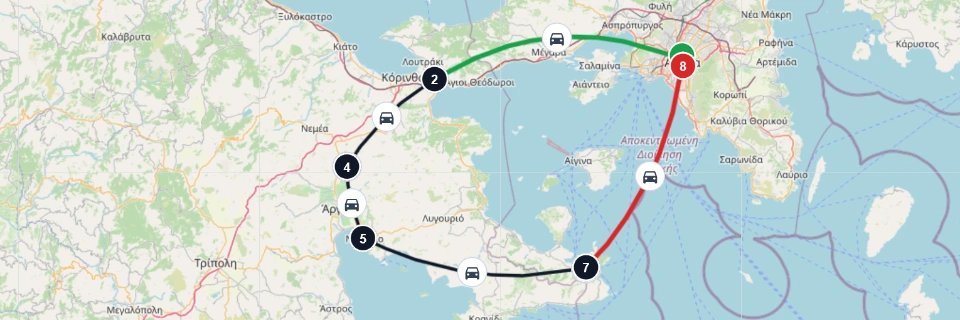
Experience a balanced mycenae ancient site and poros island tour that combines archaeology and island atmosphere in one day. Departing from Athens, this route is planned for travelers who want a practical and well-paced program. The journey includes a corinth canal short stop, giving you time for photos and a quick orientation before heading deeper into the Peloponnese region. This early stop adds geographic context and makes the road trip more engaging from the start. If you are looking for a small group full-day greece tour, this itinerary offers a clear and efficient structure.
After the canal, the focus moves to the ancient world with your visit to Mycenae. This part of the day is ideal for travelers searching for a mycenae tour from athens with historical depth and easy logistics. At the site, you can explore monumental remains and understand why Mycenae is central to Bronze Age history. The visit is paced to let you absorb the setting without unnecessary rush between points. For culture-focused guests, this is the strongest section of the mycenae ancient site and poros island tour.
The final stage takes you to Poros for a refreshing island contrast after the archaeological stop. As a poros island day trip, this segment adds waterfront scenery, local streets, and a calmer rhythm to the schedule. The combination of inland heritage and island time is what makes this route stand out among day tours from Athens. You return with a broader understanding of both ancient civilization and modern Greek coastal life. By the end of the day, the mycenae tour from athens feels complete, varied, and highly memorable.
-
Athens
Pickup and departure
Meet your group in Athens and depart toward the Peloponnese route.
-
Corinth Canal
Panorama stop
Stop at Corinth Canal for photos and route briefing.
Corinth Canal may be a short stop, but it leaves a strong impression because the engineering is so visually immediate. The narrow waterway cuts sharply through steep rock walls, creating a view that feels both elegant and improbable. It is one of those places where geography and human ambition meet in a single glance. Even travelers who know little about the canal in advance usually find the panorama striking.
The stop works best when you take a moment to look beyond the photo and think about the canal as a link between seas, routes, and long-standing strategic dreams. Its scale is not grand in width, but that is exactly what gives the scene its drama. From above, the channel appears almost impossibly precise against the natural landscape. Corinth Canal is a brief but memorable reminder that infrastructure can be as visually powerful as a monument.
-
Mycenae Ancient Site
Archaeological visit
Arrive at Mycenae for guided visit of the ancient citadel remains.
Mycenae Ancient Site offers one of the most compelling entrances into Greece's Bronze Age world. The citadel remains carry an older, more rugged sense of power than later classical sites, and that difference is immediately felt in the landscape. Here, the atmosphere is one of fortification, dynasty, and deep historical memory rather than refined urban elegance. It is a stop that makes antiquity feel especially ancient.
What makes Mycenae rewarding is the way archaeology and legend reinforce one another. The site is tied to stories that shaped Greek cultural memory for centuries, yet it also stands on its own as a major center of early power and monumental construction. That dual identity gives the visit real depth. Mycenae often feels like one of the Greek itinerary's most distinctive and evocative ancient places.
-
Lion Gate Area
Main monument zone
See the Lion Gate and key Mycenaean structural remains.
Lion Gate Area offers one of the most immediate and symbolically powerful encounters with Mycenaean civilization. The gate itself is compact in scale compared with later classical monuments, yet it carries enormous historical presence because it still marks the entrance into one of Greece's great Bronze Age centers. The carved lions give the site a memorable identity from the first glance. It is one of those places where archaeology and emblem come together perfectly.
The area becomes even more interesting when you think about it as an entry point into a world far older than classical Athens or Delphi. Here, the atmosphere is not one of refined marble elegance, but of early power, fortified control, and deep antiquity. That difference gives the stop a strong character of its own. The Lion Gate area is often the moment when Mycenae feels most distinct and most alive.
-
Lunch Break
Included lunch
Take the included lunch break before island transfer.
An included lunch on the Mycenae and Galatas route fits naturally into a day that moves between Bronze Age archaeology, seafront crossings, and one of the more scenic corners of the northeastern Peloponnese. By midday, a slower meal gives the route helpful balance. The setting lends itself well to a relaxed Greek lunch, especially when the day alternates between historical depth and coastal movement. This makes the stop feel integrated rather than purely functional. It gives the route room to breathe.
If you have a Greek island or coastal-style menu available, grilled meats, seafood, village salad, meze, and simple taverna dishes are all very well suited to the day. Travelers often appreciate lunches like this because they allow the route to stay enjoyable without becoming too dense with monuments and transfers. The best meal here should feel easy, regional, and well paced. Mycenae and the nearby coast form a strong contrast, and lunch helps connect them. It is a useful and pleasant midpoint.
-
Galatas Crossing Point
Boat embarkation
Arrive at crossing point and board local boat to Poros.
-
Poros Island
Island harbor stop
Enjoy free time around Poros harbor and waterfront district.
Poros Island offers a calmer and more intimate island atmosphere than some of the larger, more dramatic destinations on Greek cruise routes. The harbor, waterfront movement, and elevated views above the town create a stop that feels relaxed, scenic, and easy to enjoy without effort. It is the sort of island where the pleasure comes from pacing, light, and simple visual charm rather than one overwhelming monument. That often makes the visit especially pleasant.
Poros works best when you let the harbor rhythm guide the experience. A short walk, a waterfront pause, or a gentle climb for the view is usually enough to appreciate the stop fully. The island gives travelers a softer, more local-feeling interlude within a busier day. Poros is one of those places that leaves a warm impression precisely because it does not try too hard.
-
Athens Drop-off
Return transfer
Return to Athens after island segment and complete drop-off.
Got a question about this tour?
Reach out to our travel experts.
Informations
-
What's Included
- Round-trip transportation from Athens pickup points
- Professional English-speaking guide or escorted service
- Mycenae archaeological site entrance
- Included lunch (excluding drinks)
- Local boat transfer segment for Poros visit
- Parking and operational route costs
-
What's Excluded
- Personal expenses and optional extras
- Beverages during lunch
- Services not listed under included section
-
Entrance Fees
- Mycenae archaeological site entrance is included
- Any optional museum or personal attraction ticket is extra
-
Travel Tips
- Wear comfortable shoes for archaeological and harbor walking
- Carry sun protection for open historical areas
- Bring a light layer for sea-breeze during island segment
- Keep water and essentials for the full-day route
-
Note
- Route timing may vary with traffic and local maritime conditions
- Island stop duration can shift based on boat operations
- Return time is approximate and may vary on peak season days
Your Peace of Mind Options
Cancellation Policy
A transparent overview of applicable fees.
Customer Comments - Tripadvisor Write A Review!
Customer Comments - Tripadvisor





Tour Reminder!
You can create a reminder for yourself for this tour. We will send you a reminder e-mail/sms about this tour on the date you specify.
FAQs
-
What does the Mycenae Ancient Site and Poros Island Small Group Full-Day Tour include?
- Round-trip transportation from Athens pickup points
- Professional English-speaking guide or escorted service
- Mycenae archaeological site entrance
- Included lunch (excluding drinks)
- Local boat transfer segment for Poros visit
- Parking and operational route costs
-
Is this a private tour?
- No. This is a small group full-day tour
- You will join other travelers on the same program
-
Which places are visited on this tour?
- Corinth Canal viewpoint
- Mycenae Ancient Site (including Lion Gate area)
- Poros Island (via local boat transfer)
-
Are entrance tickets included?
- Yes. Mycenae archaeological site entrance is included
-
Is lunch included?
- Yes. Lunch is included
- Drinks/beverages during lunch are excluded
-
Is the boat transfer to Poros included?
- Yes. The local boat transfer segment for the Poros visit is included
- Island stop duration can shift based on boat operations
-
Where is pickup and drop-off?
- Round-trip transportation is from Athens pickup points
- Return time is approximate and may vary on peak season days
-
How much walking is involved? Is it suitable for limited mobility?
- Expect walking on uneven archaeological terrain at Mycenae
- Some areas include steps and stone paths near Lion Gate
- Poros visit involves walking along harbor areas
- If you have mobility concerns, tell us in advance so we can advise the best approach
-
Can the schedule change due to traffic or sea conditions?
- Yes. Route timing may vary with traffic and local maritime conditions
- Island timing depends on boat operations and harbor conditions
-
What is not included in the price?
- Personal expenses and optional extras
- Beverages during lunch
- Services not listed under included section
General FAQs
-
What currency is used in Greece?
Greece uses the Euro (EUR).
- Cards are widely accepted, but carrying cash is useful for small purchases and tips.
-
Do I need a visa to visit Greece?
Visa requirements depend on your nationality. Greece is part of the Schengen Area.
- Please check the latest rules from official sources before travel.
-
What is the best time to visit Greece?
Many travelers prefer spring and early autumn for pleasant temperatures and fewer crowds.
- July and August are peak season, especially on the islands.
- Shoulder seasons can offer better availability and milder weather.
-
Is Greece safe for tourists?
Greece is generally safe for visitors.
- In major cities and crowded areas, watch for pickpockets.
- Use licensed taxis and keep valuables secure, especially at transport hubs.
-
Is tap water safe to drink in Greece?
Tap water is generally fine in many mainland areas, but on some islands visitors prefer bottled water.
- If in doubt, ask your hotel or guide locally.
-
What language is spoken in Greece?
Greek is the official language. In tourist areas, English is commonly spoken.
- Learning a few basic Greek phrases is appreciated.
-
How do ferries and domestic travel work in Greece?
Ferries are a key part of travel between islands and the mainland.
- Schedules can be seasonal and weather-dependent.
- In peak season, booking popular routes ahead can help.
-
What should I know about driving and taxis in Greece?
Driving can be a great way to explore, but roads can be narrow and parking limited in popular towns.
- Use seatbelts and drive defensively.
- For taxis, use licensed providers and confirm the fare when possible.
-
What power plug is used in Greece?
Greece typically uses Type C and Type F plugs (230V, 50Hz).
- Bring a travel adapter if needed.
-
Are SIM cards and mobile data easy to get in Greece?
Yes. Mobile data is widely available and you can buy SIM/eSIM options from common providers.
- Coverage is usually good in cities and many islands, but can vary in remote areas.
-
Is tipping expected in Greece?
Tipping is appreciated, especially for good service.
- In restaurants, rounding up or leaving a small amount is common.
- For guides and drivers, tips are optional and based on satisfaction.
-
What should I pack for Greece?
It depends on season and islands vs mainland, but these basics help:
- Comfortable walking shoes
- Sun protection (hat, sunscreen)
- A light layer for evenings or windy ferry rides
-
What are the emergency numbers in Greece?
Dial 112 for emergencies (free, EU-wide).
- Police: 100
- Ambulance: 166
- Fire: 199
- Coast Guard: 108
If you are unsure, call 112.
-
How do I get from airports/ports to the city in Greece?
Depending on the destination, you may use:
- Metro/train or public buses (common in large cities)
- Licensed taxis
- Pre-booked private transfers
- Ferries between islands and the mainland
In peak season, booking transfers and popular ferry routes ahead can help.
-
How do pharmacies work in Greece (on-duty pharmacy)?
Pharmacies often have a rotating on-duty system outside normal hours.
- Many pharmacies display the on-duty pharmacy information on the door/window.
- If you need urgent assistance, call 112 or your accommodation can help you locate the nearest option.
-
What are typical opening hours in Greece?
Opening hours vary by area and season.
- In some towns, shops may close during the afternoon and reopen in the evening.
- Sundays may have reduced opening, especially outside tourist areas.
- On national/religious holidays, hours can change.
-
What should I wear when visiting monasteries and churches in Greece?
Dress modestly at religious sites.
- Shoulders and knees should be covered.
- Some monasteries may have stricter rules.
-
Are there rules for photography in Greece?
In public areas, photography is usually fine. In museums, churches, and archaeological sites, rules can vary.
- Some places restrict flash or tripods.
- Look for signage and follow staff instructions.
Let's Customize Your Trip!
Prepare your own tour plan!
Good to Know
-
Good to know: timing depends on traffic and boat operations
- Return time is approximate and can shift on peak days
- Harbor operations can affect island duration
-
Good to know: bring sun protection for open-air sites
- Mycenae is largely open-air with limited shade
- Hat, sunscreen, and water improve comfort
-
Good to know: comfortable shoes are important
- Uneven stone paths are common at Mycenae
- Shoes with good grip improve safety and comfort
-
Good to know: beverages at lunch are typically extra
- Lunch is included but drinks are excluded
- Carrying some cash can be useful for extras
-
Good to know: pack light for island time
- Keep essentials in a small day bag
- It makes harbor and boat segments more comfortable
Want to read it later?
Download this tour’s PDF brochure and start tour planning offline
Similar Tours

Meteora and Kalambaka Private Tour
Take a private full-day Meteora tour from Athens and explore the famous churches on rock pinnacles with a stop in Kalambaka.
Argolis Heritage Private Tour
Book a private full-day Argolis tour from Athens with Corinth Canal stop, Mycenae Ancient City, Nafplion Palamidi Fortress, and Epidaurus Theatre.
Argolis Ancient Cities Tour
Join a small-group full-day Argolis tour from Athens with Corinth Canal stop, Mycenae Ancient City, Nafplion Palamidi Fortress, and Epidaurus Theatre.
Delphi Ancient Site Private Tour
Take a private full-day Delphi tour from Athens and explore the Delphi Ancient Site with a scenic Mediterranean road journey.
Delphi Ancient Site Tour
Join a small-group full-day Delphi tour from Athens and explore the Delphi Ancient Site while enjoying scenic Mediterranean landscapes on the road.


