
Athens Acropolis and Museum Signature Tour
Book a private half-day Acropolis and Acropolis Museum tour from Athens with hotel transfer, licensed guide, and entrance fees included for key classical landmarks.
Highlights
- Private guided visit to the Acropolis and Parthenon
- Theatre of Dionysus, cradle of ancient drama
- Odeon of Herodes Atticus on the Acropolis slope
- Acropolis Museum masterpieces in a modern setting
Athens Acropolis and Museum Signature Tour
Book a private half-day Acropolis and Acropolis Museum tour from Athens with hotel transfer, licensed guide, and entrance fees included for key classical landmarks.
Itinerary
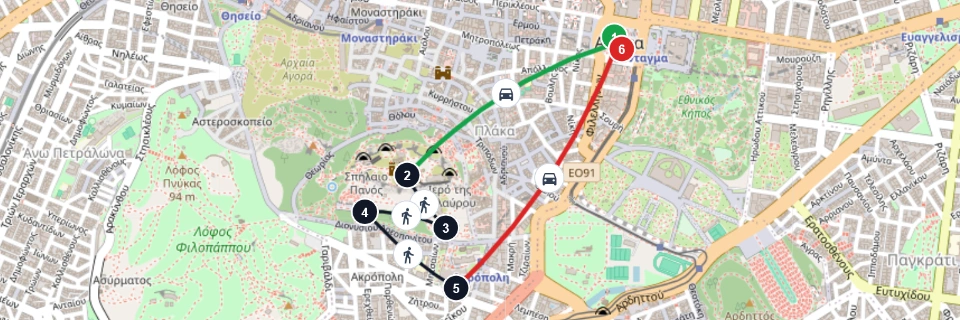
This private acropolis and museum tour athens is designed for travelers who want focused access to the main classical highlights in a short schedule. The route starts from Athens with private transfer support and a guided walk through the Acropolis area. Visitors explore central monuments including the Parthenon, Propylaea, Erechtheion, and surrounding historical structures. The itinerary also includes the Theatre of Dionysus and the Theatre of Herodes Atticus as key performance heritage points. As a half day athens acropolis private tour, it delivers depth and efficiency together.
After the hilltop section, the program continues with an acropolis museum private guided visit to connect artifacts with the monuments seen on site. The museum stage adds context to architectural fragments, sculptures, and archaeological findings linked to the Acropolis. Because this is one integrated private route, transitions remain smooth and time management is easier. Travelers can follow a clear narrative from open air ancient remains to curated museum interpretation. The content stays fully aligned with the official Acropolis and Acropolis Museum itinerary.
The package includes professional English speaking guiding, transfer operations, and listed entrance fees for both core locations. This structure reduces planning effort and supports a reliable visit for guests with limited time in Athens. Travelers looking for a theatre of dionysus and herodes atticus tour can cover both theatre landmarks within the same half-day route. The overall experience balances monument viewing, historical explanation, and museum continuity in one program. It is a practical option for complete parthenon and acropolis highlights coverage in private format.
-
Athens
Private pickup and departure
Meet your private guide and depart from your Athens hotel toward the Acropolis area.
-
Acropolis of Athens
Guided Acropolis visit
Explore the Acropolis monuments and Parthenon with private historical commentary.
Acropolis of Athens is one of those places that feels instantly familiar yet still overwhelming in person. Rising above the modern city, the sacred rock gathers some of the most recognizable monuments of the classical world, with the Parthenon standing as the clearest symbol of all. The approach itself builds anticipation, and once you are on the hill, the combination of architecture, light, and wide city views makes the experience feel larger than expected. It is not simply a famous site, but a powerful physical encounter with the idea of ancient Athens.
What makes the Acropolis unforgettable is the way it connects beauty, history, and setting so naturally. Every angle seems to explain why this place became central to the cultural imagination of Europe and beyond. At the same time, the hill is not frozen in the past, because modern Athens spreads around it in every direction. For travelers, the Acropolis often becomes the moment when classical history stops being academic and starts feeling immediate and alive.
-
Theatre of Dionysus
Classical theatre stop
Visit the Theatre of Dionysus, one of the earliest known theatre structures in the world.
Theatre of Dionysus is one of the most important places in the history of performance, and standing here gives that idea real weight. This is where ancient drama developed in the shadow of the Acropolis, turning religious celebration into a form of art that would influence the world. The seating remains and the slope of the theater still allow you to picture crowds gathered for tragedy and comedy many centuries ago. It is a powerful stop because the site feels both intellectually important and physically immediate.
When you look across the stones, try to imagine the voices, costumes, and rituals that once filled this open-air space. The setting connects myth, civic life, and artistic innovation in a way that few monuments can. It is also a reminder that Athens shaped culture not only through philosophy and politics, but through storytelling and public performance. Visitors who pause here often leave with a deeper appreciation for how alive the ancient city once was.
-
Odeon of Herodes Atticus
Monumental odeon
See the Roman-era Odeon of Herodes Atticus built into the Acropolis hillside.
The Odeon of Herodes Atticus is one of the most elegant and recognizable monuments on the slopes of the Acropolis, combining Roman patronage with the dramatic setting of classical Athens. Even seen from outside or in passing, it immediately adds theatrical grandeur to the landscape. The structure feels perfectly placed, as if the hillside itself were part of the design. It is one of those monuments that quietly amplifies the power of the whole Acropolis area.
What makes the odeon so memorable is the way it links performance, architecture, and topography. You can easily imagine the cultural life that once unfolded here, with music and civic presence carried into an already sacred urban setting. The monument also helps visitors understand that Athens was not frozen in a single era, but continued evolving through the Roman period and beyond. That added historical layer makes the stop especially rewarding.
-
Acropolis Museum
Museum galleries
Continue to the Acropolis Museum to view original sculptures and contextual exhibits.
Acropolis Museum gives the monuments of Athens a second life indoors. After standing among the ruins on the hill, coming here allows you to meet the sculptures, fragments, and architectural details at eye level, in a setting designed to make their craftsmanship easier to appreciate. The museum feels modern and clear without losing the emotional force of the ancient material it holds. It is not a separate stop from the Acropolis experience, but an essential continuation of it.
What makes the museum especially rewarding is the way it restores context to what weather, time, and displacement can no longer show on the hill itself. Instead of seeing the Acropolis only as silhouette and stone, you begin to understand its artistic richness, narrative detail, and human scale. The galleries also create a calmer space for reflection after the brightness and movement of the outdoor site. For many travelers, Acropolis Museum is where admiration turns into deeper understanding.
-
Athens Drop-off
Private return transfer
After the museum visit, transfer back to your Athens hotel or designated drop-off point.
Got a question about this tour?
Reach out to our travel experts.
Informations
-
What's Included
- Private licensed English-speaking guide
- Private vehicle with pickup and drop-off from Athens city hotels
- Acropolis archaeological site entrance
- Acropolis Museum entrance
- Parking and local operational costs
-
What's Excluded
- Personal expenses and optional extras
- Meals and beverages
- Services not listed in the included section
- Transfers outside defined pickup area
-
Entrance Fees
- Acropolis entrance fee is included
- Acropolis Museum entrance fee is included
- Any optional special exhibition or extra section fee is not included
-
Travel Tips
- Wear comfortable shoes for ancient steps and uneven marble surfaces
- Carry sun protection, especially in spring and summer
- Bring a light rain layer in winter months
- Keep water with you during walking segments
-
Note
- Museum operation may vary on official holidays and selected weekdays
- Tour order can be adjusted for crowd control and timed entries
- Pickup timing can vary based on hotel zone and city traffic
Your Peace of Mind Options
Cancellation Policy
A transparent overview of applicable fees.
Customer Comments - Tripadvisor Write A Review!
Customer Comments - Tripadvisor





Tour Reminder!
You can create a reminder for yourself for this tour. We will send you a reminder e-mail/sms about this tour on the date you specify.
FAQs
-
What does the Athens Acropolis and Acropolis Museum Private Half-Day Tour include?
- Private licensed English-speaking guide
- Private vehicle with pickup and drop-off from Athens city hotels
- Acropolis archaeological site entrance
- Acropolis Museum entrance
- Parking and local operational costs
-
Is this a private tour?
- Yes. This is a private tour operated only for your group
- It includes a private guide and private vehicle
-
Which places are visited on this tour?
- Acropolis of Athens (Parthenon area)
- Theatre of Dionysus
- Odeon of Herodes Atticus
- Acropolis Museum
-
Are entrance tickets included?
- Yes. Acropolis archaeological site entrance is included
- Yes. Acropolis Museum entrance is included
-
Where is pickup and drop-off?
- Private pickup and drop-off are included from Athens city hotels
- Transfers outside the defined pickup area are not included
- Pickup timing can vary based on hotel zone and city traffic
-
Can the route or timing be adjusted on a private tour?
- Yes. The order can be adjusted for crowd control and timed entries
- Small adjustments are possible, but we still follow opening hours and operational timing
-
How much walking is involved? Is it suitable for limited mobility?
- Expect walking on uneven stone surfaces and uphill sections at the Acropolis
- There are stairs and sloped paths; some areas can be challenging
- If you have mobility concerns, tell us in advance so we can advise the best approach
-
What should I wear and bring?
- Comfortable walking shoes are strongly recommended
- In warm months: water, hat, and sunscreen
- A light jacket can help in cooler seasons or windy days on the hill
-
Are meals and beverages included?
- No. Meals and beverages are excluded
- Personal expenses and optional extras are excluded
-
What is not included in the price?
- Personal expenses and optional extras
- Meals and beverages
- Services not listed in the included section
- Transfers outside defined pickup area
General FAQs
-
What currency is used in Greece?
Greece uses the Euro (EUR).
- Cards are widely accepted, but carrying cash is useful for small purchases and tips.
-
Do I need a visa to visit Greece?
Visa requirements depend on your nationality. Greece is part of the Schengen Area.
- Please check the latest rules from official sources before travel.
-
What is the best time to visit Greece?
Many travelers prefer spring and early autumn for pleasant temperatures and fewer crowds.
- July and August are peak season, especially on the islands.
- Shoulder seasons can offer better availability and milder weather.
-
Is Greece safe for tourists?
Greece is generally safe for visitors.
- In major cities and crowded areas, watch for pickpockets.
- Use licensed taxis and keep valuables secure, especially at transport hubs.
-
Is tap water safe to drink in Greece?
Tap water is generally fine in many mainland areas, but on some islands visitors prefer bottled water.
- If in doubt, ask your hotel or guide locally.
-
What language is spoken in Greece?
Greek is the official language. In tourist areas, English is commonly spoken.
- Learning a few basic Greek phrases is appreciated.
-
How do ferries and domestic travel work in Greece?
Ferries are a key part of travel between islands and the mainland.
- Schedules can be seasonal and weather-dependent.
- In peak season, booking popular routes ahead can help.
-
What should I know about driving and taxis in Greece?
Driving can be a great way to explore, but roads can be narrow and parking limited in popular towns.
- Use seatbelts and drive defensively.
- For taxis, use licensed providers and confirm the fare when possible.
-
What power plug is used in Greece?
Greece typically uses Type C and Type F plugs (230V, 50Hz).
- Bring a travel adapter if needed.
-
Are SIM cards and mobile data easy to get in Greece?
Yes. Mobile data is widely available and you can buy SIM/eSIM options from common providers.
- Coverage is usually good in cities and many islands, but can vary in remote areas.
-
Is tipping expected in Greece?
Tipping is appreciated, especially for good service.
- In restaurants, rounding up or leaving a small amount is common.
- For guides and drivers, tips are optional and based on satisfaction.
-
What should I pack for Greece?
It depends on season and islands vs mainland, but these basics help:
- Comfortable walking shoes
- Sun protection (hat, sunscreen)
- A light layer for evenings or windy ferry rides
-
What are the emergency numbers in Greece?
Dial 112 for emergencies (free, EU-wide).
- Police: 100
- Ambulance: 166
- Fire: 199
- Coast Guard: 108
If you are unsure, call 112.
-
How do I get from airports/ports to the city in Greece?
Depending on the destination, you may use:
- Metro/train or public buses (common in large cities)
- Licensed taxis
- Pre-booked private transfers
- Ferries between islands and the mainland
In peak season, booking transfers and popular ferry routes ahead can help.
-
How do pharmacies work in Greece (on-duty pharmacy)?
Pharmacies often have a rotating on-duty system outside normal hours.
- Many pharmacies display the on-duty pharmacy information on the door/window.
- If you need urgent assistance, call 112 or your accommodation can help you locate the nearest option.
-
What are typical opening hours in Greece?
Opening hours vary by area and season.
- In some towns, shops may close during the afternoon and reopen in the evening.
- Sundays may have reduced opening, especially outside tourist areas.
- On national/religious holidays, hours can change.
-
What should I wear when visiting monasteries and churches in Greece?
Dress modestly at religious sites.
- Shoulders and knees should be covered.
- Some monasteries may have stricter rules.
-
Are there rules for photography in Greece?
In public areas, photography is usually fine. In museums, churches, and archaeological sites, rules can vary.
- Some places restrict flash or tripods.
- Look for signage and follow staff instructions.
Let's Customize Your Trip!
Prepare your own tour plan!
Good to Know
-
Good to know: private tours still follow official site schedules
- Opening hours and official closures apply
- Your guide will adjust timing for the best flow when possible
-
Good to know: the Acropolis can be crowded and hot
- Summer midday heat can be intense
- Early timing and sun protection improve comfort
-
Good to know: surfaces can be slippery
- Polished marble and stone can be slippery, especially after rain
- Shoes with good grip are recommended
-
Good to know: allow time for security lines
- Security screening can take time at peak hours
- Starting earlier helps the overall experience
-
Good to know: pickup time depends on hotel zone and traffic
- Athens traffic can impact timings
- Please be ready at the advised time for smooth operation
Want to read it later?
Download this tour’s PDF brochure and start tour planning offline
Similar Tours

Ancient Corinth Private Half Day Tour
Enjoy a private half-day tour from Athens to Ancient Corinth with a Corinth Canal stop and a visit to the Ancient Port of Cehries.


