
Santorini Wine Tasting Private Tour
Enjoy a private half-day Santorini wine tasting tour from Santorini with visits to Koutsogiannopoulos Wine Museum, Boutari Winery, and Gavalas Vineyard.
Highlights
- Koutsogiannopoulos Wine Museum cellar experience
- Boutari Winery tasting in Megalochori area
- Gavalas Winery and indigenous Santorini grape focus
- Private transfer comfort between wine estates
Santorini Wine Tasting Private Tour
Enjoy a private half-day Santorini wine tasting tour from Santorini with visits to Koutsogiannopoulos Wine Museum, Boutari Winery, and Gavalas Vineyard.
Itinerary
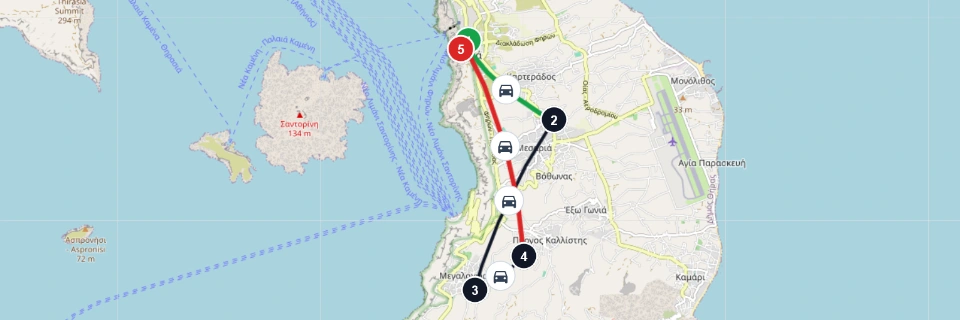
Discover island wine culture on a curated santorini wine tasting tour private route designed for comfort and flexibility. This half-day program starts in Santorini and connects three signature wine locations in one smooth itinerary. The experience is ideal for travelers who want a focused tasting schedule without full-day time pressure. As a santorini half-day wine tour, it balances education, tasting, and scenic movement across the island. Private transfer keeps the route efficient from pickup to drop-off.
Your first highlight is the koutsogiannopoulos wine museum, where local wine history and production heritage are presented in an engaging setting. This stop provides useful background before you continue to active wineries for tastings. The itinerary then moves to boutari winery santorini, one of the best known names for island wine experiences. Together, these visits connect heritage and modern production in a clear sequence. The private format allows a steady pace and easier transitions between stops.
The tour concludes with a visit to gavalas vineyard tasting, adding another perspective on Santorini varieties and cellar style. Sampling wines at multiple venues gives stronger comparison value than a single-winery visit. This is why the route works well for both first-time tasters and returning wine travelers. The half-day duration keeps the program practical while still delivering meaningful depth. By the end, the santorini wine tasting tour private offers a complete and memorable island wine experience.
-
Santorini
Private pickup and departure
Meet your private vehicle and begin Santorini wine route.
-
Koutsogiannopoulos Wine Museum
Museum and tasting stop
Visit the underground wine museum and start first tasting session.
The Koutsogiannopoulos Wine Museum offers one of Santorini's most distinctive introductions to the island's wine culture, combining museum storytelling with the sensory pleasure of tasting. Set in an underground environment, the visit helps explain how volcanic soil, climate, and local ingenuity shaped one of Greece's most recognizable wine traditions. It is an engaging stop because it gives you both information and atmosphere before the tasting even begins. The experience feels educational without becoming dry.
As you move through the displays, you get a clearer sense of how demanding viticulture on Santorini has always been and why the resulting wines are so distinctive. This makes the tasting more meaningful, especially if you are trying indigenous varieties for the first time. It is a good stop for understanding the island through flavor as well as landscape. By the end, the connection between terroir and identity feels much stronger.
-
Boutari Winery
Winery tasting stop
Continue to Boutari Winery for guided tasting and cellar insight.
Boutari Winery is a rewarding Santorini stop because it lets you experience the island not only through caldera views, but also through a wine culture deeply shaped by volcanic soil, wind, and local growing methods. This gives the visit a strong sense of place. The tasting is not simply about drinking wine. It is about understanding why Santorini tastes the way it does. That connection makes the stop especially satisfying for travelers.
As you move through the tasting and cellar context, pay attention to how the island's climate and terrain influence both grape character and production style. Even visitors who are not dedicated wine enthusiasts often enjoy this stop because it adds a sensory and agricultural layer to Santorini. The experience works best when taken slowly. Let yourself notice differences rather than rushing through them. A good winery stop leaves you with a clearer sense of the island as a living landscape.
-
Gavalas Winery
Final winery stop
Conclude at Gavalas Winery focusing on indigenous Santorini varieties.
Gavalas Winery introduces you to Santorini's wine culture through a producer that remains closely connected to the island's local grape traditions. The volcanic landscape outside is not just scenery here, because it shapes the minerality, freshness, and distinct personality found in the wines you taste. Visiting a winery like this helps explain why Santorini is so highly regarded by wine lovers despite its dry climate and harsh growing conditions. The stop feels both educational and sensory, with history, craftsmanship, and place all present in the glass.
Take your time with the tasting, especially if indigenous varieties such as Assyrtiko are included. You may notice crisp citrus notes, saline tension, and a clean structure that reflects the island's windswept terroir. Asking about local production methods and vineyard traditions can make the experience even richer, because Santorini's viticulture is unusually distinctive. By the end of the visit, the island often feels easier to understand not only through its views, but through its flavors as well.
-
Santorini Drop-off
Private return transfer
Return to your Santorini hotel or preferred drop-off point.
Got a question about this tour?
Reach out to our travel experts.
Informations
-
What's Included
- Private transportation across Santorini wine route
- English-speaking private host/guide
- Wine museum entry and winery tasting sessions
- Winery visit fees included in the program
- Operational and parking costs
-
What's Excluded
- Personal purchases of bottles or souvenirs
- Meals and additional snacks unless explicitly stated
- Services not listed under included section
-
Entrance Fees
- Wine museum and listed winery entries are included
- Optional extra tasting flights or premium labels are paid locally
-
Travel Tips
- Eat a light meal before tasting sessions
- Stay hydrated throughout the tour
- Use sun protection for outdoor vineyard areas
- Arrange responsible transport after tastings (already included in private transfer)
-
Note
- Winery order may vary by opening hours and production schedule
- Tasting labels can change seasonally based on availability
- Program is designed for legal drinking-age participants
Your Peace of Mind Options
Cancellation Policy
A transparent overview of applicable fees.
Customer Comments - Tripadvisor Write A Review!
Customer Comments - Tripadvisor





Tour Reminder!
You can create a reminder for yourself for this tour. We will send you a reminder e-mail/sms about this tour on the date you specify.
FAQs
-
What does the Santorini Private Wine Tasting Half-Day Tour include?
- Private transportation across Santorini wine route
- English-speaking private host/guide
- Wine museum entry and winery tasting sessions
- Winery visit fees included in the program
- Operational and parking costs
-
Is this a private tour?
- Yes. This is a private wine route program for your party
- It includes private transportation and a private host/guide
-
Which wineries and places are visited?
- Koutsogiannopoulos Wine Museum
- Boutari Winery (Megalochori area)
- Gavalas Winery
-
Are tasting fees and entry fees included?
- Yes. Wine museum entry and winery tasting sessions are included
- Winery visit fees are included in the program
-
Is food included on this tour?
- Meals and additional snacks are excluded unless explicitly stated
- You can plan a separate meal before or after the tasting route
-
Can I buy wine bottles during the tour?
- Yes. You can purchase bottles or souvenirs at wineries
- Personal purchases are excluded from the tour price
-
Is this tour suitable for non-drinkers?
- Yes. You can still enjoy the winery visit and wine culture
- Please tell us in advance if you prefer non-alcoholic alternatives where available
-
Are there any age restrictions?
- This program is designed for legal drinking-age participants
- Participation and tasting policy may follow local rules and venue policy
-
Can the winery order change?
- Yes. Winery order may vary by opening hours and production schedule
- Tasting labels can change seasonally based on availability
-
What is not included in the price?
- Personal purchases of bottles or souvenirs
- Meals and additional snacks unless explicitly stated
- Services not listed under included section
General FAQs
-
What currency is used in Greece?
Greece uses the Euro (EUR).
- Cards are widely accepted, but carrying cash is useful for small purchases and tips.
-
Do I need a visa to visit Greece?
Visa requirements depend on your nationality. Greece is part of the Schengen Area.
- Please check the latest rules from official sources before travel.
-
What is the best time to visit Greece?
Many travelers prefer spring and early autumn for pleasant temperatures and fewer crowds.
- July and August are peak season, especially on the islands.
- Shoulder seasons can offer better availability and milder weather.
-
Is Greece safe for tourists?
Greece is generally safe for visitors.
- In major cities and crowded areas, watch for pickpockets.
- Use licensed taxis and keep valuables secure, especially at transport hubs.
-
Is tap water safe to drink in Greece?
Tap water is generally fine in many mainland areas, but on some islands visitors prefer bottled water.
- If in doubt, ask your hotel or guide locally.
-
What language is spoken in Greece?
Greek is the official language. In tourist areas, English is commonly spoken.
- Learning a few basic Greek phrases is appreciated.
-
How do ferries and domestic travel work in Greece?
Ferries are a key part of travel between islands and the mainland.
- Schedules can be seasonal and weather-dependent.
- In peak season, booking popular routes ahead can help.
-
What should I know about driving and taxis in Greece?
Driving can be a great way to explore, but roads can be narrow and parking limited in popular towns.
- Use seatbelts and drive defensively.
- For taxis, use licensed providers and confirm the fare when possible.
-
What power plug is used in Greece?
Greece typically uses Type C and Type F plugs (230V, 50Hz).
- Bring a travel adapter if needed.
-
Are SIM cards and mobile data easy to get in Greece?
Yes. Mobile data is widely available and you can buy SIM/eSIM options from common providers.
- Coverage is usually good in cities and many islands, but can vary in remote areas.
-
Is tipping expected in Greece?
Tipping is appreciated, especially for good service.
- In restaurants, rounding up or leaving a small amount is common.
- For guides and drivers, tips are optional and based on satisfaction.
-
What should I pack for Greece?
It depends on season and islands vs mainland, but these basics help:
- Comfortable walking shoes
- Sun protection (hat, sunscreen)
- A light layer for evenings or windy ferry rides
-
What are the emergency numbers in Greece?
Dial 112 for emergencies (free, EU-wide).
- Police: 100
- Ambulance: 166
- Fire: 199
- Coast Guard: 108
If you are unsure, call 112.
-
How do I get from airports/ports to the city in Greece?
Depending on the destination, you may use:
- Metro/train or public buses (common in large cities)
- Licensed taxis
- Pre-booked private transfers
- Ferries between islands and the mainland
In peak season, booking transfers and popular ferry routes ahead can help.
-
How do pharmacies work in Greece (on-duty pharmacy)?
Pharmacies often have a rotating on-duty system outside normal hours.
- Many pharmacies display the on-duty pharmacy information on the door/window.
- If you need urgent assistance, call 112 or your accommodation can help you locate the nearest option.
-
What are typical opening hours in Greece?
Opening hours vary by area and season.
- In some towns, shops may close during the afternoon and reopen in the evening.
- Sundays may have reduced opening, especially outside tourist areas.
- On national/religious holidays, hours can change.
-
What should I wear when visiting monasteries and churches in Greece?
Dress modestly at religious sites.
- Shoulders and knees should be covered.
- Some monasteries may have stricter rules.
-
Are there rules for photography in Greece?
In public areas, photography is usually fine. In museums, churches, and archaeological sites, rules can vary.
- Some places restrict flash or tripods.
- Look for signage and follow staff instructions.
Let's Customize Your Trip!
Prepare your own tour plan!
Good to Know
-
Good to know: tasting selections can change seasonally
- Wineries may rotate labels based on availability
- Your host will align tastings with the day's selection
-
Good to know: eat beforehand for a better tasting experience
- Meals are not included unless stated
- Having a meal before the tour can improve comfort
-
Good to know: bring an ID if requested by venues
- Some venues may ask for age verification
- Bring an ID/passport just in case
-
Good to know: purchases are separate
- Bottle and souvenir purchases are excluded
- Consider bringing a card/cash depending on your preference
-
Good to know: this is a half-day route with multiple stops
- Keep a light bag and stay hydrated
- Comfortable shoes help if you walk around winery areas
Want to read it later?
Download this tour’s PDF brochure and start tour planning offline
Similar Tours

Santorini Beach Highlights Private Tour
Enjoy a private half-day Santorini beach tour from Santorini with Kamari Beach, Red Beach, and Perivolos Beach in one scenic route.


