
Cappadocia Valleys and Underground City Tour

Explore Cappadocia on a full-day bus route from Ankara with Salt Lake, Goreme Open Air Museum churches, Kaymakli Underground City, Pasabagi, Devrent, Pigeon Valley, Uchisar, and Ortahisar.
Highlights
- Photo stop at Salt Lake, Turkey's largest inland salt basin
- Visit Avanos, pottery town on the Kizilirmak riverbank
- Explore Goreme Open Air Museum and its monastic cave churches
- See Nuns and Priests Monastery and early monastic settlement traces
- Visit St. Basil Church, Apple Church, St. Barbara Chapel, and Serpent Church
- Enter Tokali Church, one of Cappadocia's most important painted churches
- Discover Kaymakli Underground City's multi-level survival design
- Walk Pasabagi and Devrent valley fairy chimney landscapes
- View Pigeon Valley and Uchisar's signature rock-castle silhouette
- Finish with Three Beauties and Ortahisar Castle panoramas

Cappadocia Valleys and Underground City Tour
Explore Cappadocia on a full-day bus route from Ankara with Salt Lake, Goreme Open Air Museum churches, Kaymakli Underground City, Pasabagi, Devrent, Pigeon Valley, Uchisar, and Ortahisar.
Itinerary
This daily cappadocia tour from ankara by bus is designed for travelers who want to cover the region's most iconic natural and historical landmarks in one day. The itinerary combines major valleys, rock-cut churches, underground city heritage, and panoramic castle points in a structured route. Your guide explains each location with practical context linked to visible formations and historical use. The program stays fully aligned with listed highlights and avoids unrelated additions. It is a strong option for a full-day cappadocia highlights tour.
The day begins with a salt lake stop on cappadocia route and continues into the core heritage area around Goreme. In the goreme open air museum churches section, visitors see monastic complexes and painted interiors that define the region's religious history. The route then includes a kaymakli underground city tour, where carved living spaces reveal how communities adapted to security needs in earlier periods. Commentary remains concise and tied directly to on-site features. The pace allows meaningful time at each major stop without compressing the program.
The landscape section includes pasabagi monks valley and devrent valley, plus photo points at uchisar pigeon valley ortahisar castle. These visits complete the route with classic fairy chimney scenes, panoramic viewpoints, and old settlement silhouettes. The itinerary remains fully aligned with official content and does not include off-route claims. Travel flow is optimized so all key highlights can be experienced comfortably in one day. For travelers seeking maximum Cappadocia variety in a single route, this program offers strong value.
-
Departure from Ankara
Bus route to Cappadocia
Early departure from Ankara by private vehicle.
-
Salt Lake
Scenic photo break
Photo stop at Salt Lake.
Salt Lake introduces one of central Anatolia's most minimalist and striking landscapes, where wide horizons, pale surfaces, and open sky create a scene that feels almost abstract. The stop works because it offers a complete change of mood from cities, valleys, and monuments. Even a short photo break here leaves a strong impression thanks to the lake's scale and visual simplicity. It is one of those landscapes that feels larger than its individual details.
What makes the experience memorable is the sense of space. The flatness of the basin and the brightness of the salt surface create a rare stillness, especially when the light is strong. It is a place where a very simple view can feel unexpectedly dramatic. For travelers crossing central Anatolia, the lake becomes a clear marker of the region's broad geography.
-
Avanos
Pottery town stop
Visit Avanos on the Kizilirmak river.
Avanos brings a more lived-in, artisanal side of Cappadocia into view. Set along the Kizilirmak, the Red River, the town is closely associated with pottery traditions that draw on the same reddish clay that shapes the local landscape. That connection between craft and geography makes the stop feel especially authentic. Instead of dramatic valleys alone, you encounter a place where people have long turned the earth itself into daily work and artistic expression.
The pleasure of Avanos comes from its combination of small-town atmosphere and cultural continuity. Pottery workshops, riverside movement, and old streets give the visit a different rhythm from the region's more scenic viewpoints. It is a good place to notice hands-on tradition rather than only monumental geology. For travelers, Avanos often feels like one of the stops that makes Cappadocia more human and more complete.
-
Goreme Open Air Museum
Monastic heritage
Enter Goreme Open Air Museum area.
Goreme Open Air Museum is one of the places where Cappadocia's landscape and spiritual history come together most clearly. Carved directly into soft volcanic rock, the churches, chapels, and monastic spaces show how communities adapted the land into a sacred environment filled with faith, artistry, and daily life. The frescoes inside many of the cave churches add color and emotion to a setting that is already visually unforgettable. It is easy to understand why this site is considered one of the region's essential stops.
The visit becomes especially rewarding when you slow down and let the details emerge from the stone. Dark interiors, painted walls, worn steps, and quiet courtyards create a mood that feels very different from the dramatic valleys outside. Instead of seeing the museum only as a collection of monuments, try to experience it as a lived monastic world shaped by devotion and isolation. For travelers exploring Cappadocia, Goreme Open Air Museum often provides the historical depth that makes the entire landscape feel richer and more meaningful.
-
Nuns and Priests Monastery
Rock monastery
Visit Nuns and Priests Monastery section.
The Nuns and Priests Monastery opens a quieter side of Cappadocia, where religious life was carved directly into the soft volcanic rock of the landscape. Unlike panoramic viewpoints or fairy-chimney valleys, this stop invites you into the inner world of monastic routine, devotion, and community. The carved spaces reveal how people once organized worship, shelter, and daily life within an environment shaped as much by faith as by geology. Even in partial form, the complex carries a strong atmosphere of seclusion and discipline. It is a rewarding visit for travelers who want to see Cappadocia beyond its most photographed surfaces.
As you move through the site, imagine the practical and spiritual rhythm of life inside these rock-cut chambers. The monastery helps explain why Cappadocia became such an important refuge and religious landscape in the medieval period. This is a stop where scale and spectacle matter less than texture, context, and imagination. It pairs especially well with the region's painted churches and valley settlements, adding another piece to the monastic story. The result is a visit that feels thoughtful, intimate, and historically rich.
-
St. Basil Church
Frescoed church
See St. Basil Church interior.
St. Basil Church is one of the key religious stops in the Cappadocia circuit, where carved interior space and painted tradition come together in a way that gives the route real spiritual depth. The church stands out because it helps translate the region's famous rock landscape into a lived religious environment. It is not only a visual curiosity, but part of a wider world of worship, refuge, and local memory. That gives the visit real weight.
What makes the church especially rewarding is the concentration of meaning within a relatively small space. Fresco traces, interior form, and the setting within the larger heritage route all work together to make the stop more than just another cave church. It adds texture and historical specificity to the Cappadocia experience. For many travelers, these focused sacred interiors remain among the most memorable parts of the region.
-
Apple Church
Cross-planned cave church
Visit Apple Church.
Apple Church is one of the cave churches that helps reveal how rich and varied Goreme's religious landscape really is. The church may not rely on monumental size alone, but it stands out through its fresco program, carved form, and role within the broader spiritual world of Cappadocia. These smaller sacred spaces often leave strong impressions precisely because they feel intimate and concentrated. Apple Church is one of those examples.
What makes the stop memorable is the balance between devotional atmosphere and artistic detail. The painted cycles help the church feel alive with narrative and ritual meaning rather than just architectural curiosity. For travelers moving through the Goreme complex, this kind of church adds nuance and texture to the larger monastic story. Apple Church rewards patient looking and a quieter kind of attention.
-
St. Barbara Chapel
Rock chapel
Stop at St. Barbara Chapel.
St. Barbara Chapel is one of those smaller Cappadocian sacred spaces that rewards close attention. The chapel may not have the scale of the most famous cave churches, but its symbolic and geometric painted program gives it a distinctive atmosphere and helps it stand apart within the region's Christian heritage. The compact setting makes the encounter feel intimate and focused. It is a place where detail matters more than monumentality.
What makes the chapel memorable is the sense of early devotional expression preserved in a modest carved interior. The painted motifs and cave architecture together create an experience that feels personal rather than grand. For travelers interested in the diversity of Cappadocia's rock churches, this stop adds valuable nuance to the route. St. Barbara Chapel shows how even smaller sacred spaces in the region can carry real emotional and artistic presence.
-
Serpent Church
Fresco detail stop
Visit Serpent Church.
The Serpent Church is one of those Cappadocian stops where the intimacy of the interior matters as much as the larger landscape outside. As part of the Goreme religious circuit, it offers a closer look at how carved sacred spaces were shaped through image, devotion, and local memory. The church may be smaller in scale than the valley panoramas around it, but its atmosphere is concentrated and distinctive. It adds another important layer to understanding the spiritual life once rooted in this terrain.
What makes the stop rewarding is the chance to focus on interior detail after broader outdoor scenery. The setting encourages slower attention, especially for visitors interested in the texture of early Christian heritage in Cappadocia. Each church in the region contributes something different, and Serpent Church stands out through its specific identity and symbolic associations. It helps the route feel culturally rich rather than visually repetitive.
-
Tokali Church
Largest church in area
Visit Tokali Church.
Tokali Church is one of the most important cave churches in Cappadocia, and it often leaves a stronger impression than visitors expect. The scale of the interior, the depth of its fresco program, and the weight of its Byzantine heritage make the space feel spiritually and artistically significant at the same time. This is not a minor chapel tucked into the landscape, but a major sacred monument carved into it. The atmosphere inside is often one of the highlights of a Cappadocia heritage route.
What makes Tokali especially memorable is the richness of its painted surfaces and the way the architecture guides your attention through them. Even travelers who have already seen other cave churches often notice that this one feels more complete and more monumental. The stop rewards slow observation rather than a quick glance. Tokali Church is one of the places where Cappadocia's Christian past becomes most vivid and most beautiful.
-
Kaymakli Underground City
Subterranean settlement
Explore Kaymakli Underground City.
Kaymakli Underground City gives you one of Cappadocia's most unusual and immersive experiences. Descending into its narrow passages and carved chambers, you begin to understand how entire communities once organized shelter, storage, movement, and defense beneath the surface of the land. The engineering feels remarkably practical, but the atmosphere is what most visitors remember first. Cool air, low tunnels, and the sense of hidden life make the visit feel adventurous from the very first steps.
This is not just an underground shelter, but a complex system that reveals how people adapted creatively to uncertain times. As you move through the levels, it becomes easier to imagine families, supplies, animals, and religious life all being protected within this subterranean world. The experience is especially powerful because it feels so different from Cappadocia's open valleys and panoramic viewpoints above ground. For travelers who want a stronger sense of the region's human story, Kaymakli Underground City is often one of the most memorable stops on the route.
-
Pasabagi (Monks Valley)
Fairy chimney valley
Walk Pasabagi valley.
Pasabagi (Monks Valley) offers one of the purest expressions of Cappadocia's fairy-chimney landscape. The valley is filled with distinctive rock forms that feel almost sculpted by intention, with mushroom-like shapes and tall cones turning the terrain into something strangely imaginative. It is one of those stops where the region's reputation becomes easy to understand at a glance. Even travelers who have seen other valleys often find Pasabagi especially memorable.
The charm of the place lies in the balance between surreal beauty and quiet atmosphere. You can enjoy it visually from a distance, but it becomes even more interesting when you walk among the formations and notice their scale and texture at ground level. The valley also carries a sense of calm that softens its dramatic appearance. Pasabagi is one of Cappadocia's essential stops because it feels both iconic and immersive at the same time.
-
Pigeon Valley
Panoramic valley point
Photo stop at Pigeon Valley.
Pigeon Valley is one of Cappadocia's most satisfying panoramic stops. The valley opens into dramatic cliffs, carved cave spaces, and long visual lines that help you appreciate how deeply people shaped this volcanic landscape over centuries. Its name comes from the many dovecotes cut into the rock, a reminder that even the most beautiful scenery here was also part of practical daily life. The result is a viewpoint that feels both scenic and culturally rooted.
What makes the stop memorable is the balance between scale and detail. From a distance, the valley looks vast and sculptural, but the more you look, the more human traces begin to appear in the cliffs and carved surfaces. It is an excellent place for photos, yet the real reward is simply standing still and letting the landscape unfold. For travelers moving through Cappadocia, Pigeon Valley often becomes one of the moments when the region's beauty feels most complete.
-
Uchisar Castle
Rock citadel viewpoint
Visit Uchisar Castle viewpoint.
Uchisar Castle gives you one of the most commanding panoramic experiences in Cappadocia. The rock citadel rises above the surrounding valleys like a natural watchtower, and once you reach the viewpoint, the region's tuff ridges, carved slopes, and layered settlements begin to spread out in a way that feels both beautiful and clarifying. It is the kind of stop that helps the wider geography suddenly make sense. The view is broad, clean, and deeply satisfying.
What makes Uchisar so memorable is the combination of altitude and sculptural form. The castle itself is already striking, but its real power comes from the perspective it offers over the landscape around it. This is often where travelers feel the full scale of Cappadocia rather than only its individual valleys. Uchisar works as both a landmark and an ideal final panorama stop.
-
Three Beauties and Devrent Valley
Signature formations
See Three Beauties and Devrent landscape.
Three Beauties and Devrent Valley bring together two of Cappadocia's most recognizable landscape motifs: iconic fairy-chimney silhouettes and a valley famous for its imaginative rock shapes. This stop works well because it captures both the symbolic and playful sides of the region in one sequence. The formations feel unmistakably Cappadocian, yet still surprising when seen in person. It is a classic stop that remains genuinely enjoyable.
What makes the area memorable is the way it invites both observation and interpretation. The Three Beauties give you one of the region's signature skyline images, while Devrent encourages you to notice animal-like and abstract forms in the stone. That blend of iconic view and imaginative geology gives the stop strong personality. It is one of the places where Cappadocia feels most instantly recognizable.
-
Ortahisar Castle
Final panorama stop
Finish Cappadocia section at Ortahisar Castle.
Ortahisar Castle is one of Cappadocia's most recognizable rock citadels, and its silhouette alone explains why the stop matters. Rising like a natural fortress above the surrounding settlement, it captures the region's habit of turning geology into shelter, defense, and identity all at once. The structure feels both monumental and organic, as if the landscape itself had decided to become architecture. Even a short pause here gives a strong sense of central Cappadocia's character.
The appeal of Ortahisar comes from the way it anchors the surrounding scenery. From here, you can read the valleys, village life, and carved terrain with a clearer sense of how people once organized themselves around these rock masses. It is less theatrical than some headline viewpoints, which often makes it feel more authentic. Ortahisar leaves many travelers with a sharper understanding of how closely life in Cappadocia was tied to the stone itself.
-
Return to Ankara
Drive back
Return drive to Ankara after full-day route.
Got a question about this tour?
Reach out to our travel experts.
Informations
-
What's Included
- Hotel pickup and drop-off in Ankara
- Private licensed tour guide
- Private air-conditioned vehicle and driver
- Parking fees and local taxes
-
What's Excluded
- Museum and site entrance fees
- Meals and drinks
- Personal expenses
- Tips for guide and driver
-
Entrance Fees
- Entrance fees apply for Goreme Open Air Museum, Kaymakli Underground City, and selected museum areas on the route.
-
Travel Tips
- Wear comfortable shoes for cave steps and uneven volcanic terrain
- Carry hat, sunscreen, and water for open valleys
- Bring a light jacket for cave interiors and wind exposure
- Keep camera ready for frequent panoramic stops
- Plan for a long active day with substantial overland driving
-
Note
- This is a private tour operated only for your party
- Road and visit timing may vary due to traffic and crowd levels
- Pickup time is reconfirmed before service
- Some stops include narrow passages and stairs
- Tour operates year-round under operational availability
Your Peace of Mind Options
Cancellation Policy
A transparent overview of applicable fees.
Customer Comments - Tripadvisor Write A Review!
Customer Comments - Tripadvisor




Tour Reminder!
You can create a reminder for yourself for this tour. We will send you a reminder e-mail/sms about this tour on the date you specify.
FAQs
-
What does the Cappadocia day tour by road from Ankara include?
- Early pickup in Ankara and full-day round trip to Cappadocia region
- Salt Lake photo break
- Avanos stop
- Goreme Open Air Museum and rock-cut churches
- Kaymakli Underground City
- Pasabagi (Monks Valley), Pigeon Valley viewpoints
- Uchisar and Ortahisar castle viewpoints
- Devrent Valley style formations stop
-
How long is the tour and how much time is driving?
- Total duration: about 14 hours
- It is a very long day with significant driving from Ankara
- Breaks are included and extra comfort stops can be added
-
Where is pickup and what time do we start?
- Pickup is from your hotel or an agreed meeting point in Ankara
- Start time is early to make the full route possible
- Please be ready 5 to 10 minutes before pickup
-
Is this a private tour or a group tour?
- This is a private tour for your party only
- Timing can be adjusted based on your interests
-
How much walking is involved in Cappadocia?
- Moderate walking at Goreme Open Air Museum and valley viewpoints
- Underground city visits involve stairs and narrow passages
- Comfortable shoes with good grip are strongly recommended
-
Is the underground city suitable for everyone?
- It may feel tight for some travelers
- There are low ceilings, steps, and enclosed spaces
- If you prefer to skip it, your guide can adjust the route
-
Are entrance fees included?
- Entrance fees and personal expenses are typically paid on site unless stated otherwise
- Your guide can advise current fees on the day
-
Is lunch included?
- Time for a meal break is included in the day plan
- Meals are typically not included unless stated otherwise
- Your guide can recommend options
-
Is this tour suitable for children and seniors?
- Yes for many travelers, but it is a long day
- Walking and stairs can be tiring at museums and underground city
- We can adjust pacing and skip difficult sections if needed
-
What should we wear and bring?
- Comfortable walking shoes
- Layers: mornings and valley viewpoints can be cool and windy
- Sun protection and water
- Small bag for essentials
General FAQs
-
What currency is used in Turkey?
Turkey uses the Turkish Lira (TRY).
- Cards are widely accepted in cities and tourist areas, but cash is still useful for small purchases.
- ATMs are common. Exchange offices and banks are also available.
-
Can I pay by credit card in Turkey?
In most restaurants, hotels, and shops you can pay by card.
- For markets, small shops, taxis, and tips, carrying some cash is recommended.
- Let your bank know you are traveling to avoid card blocks.
-
Is Turkey safe for tourists?
Turkey is generally safe for visitors, especially in main tourist areas.
- As in any destination, watch out for pickpockets in crowded places.
- Use licensed taxis/transport where possible and keep valuables secure.
-
What should I wear when visiting mosques in Turkey?
Dress modestly when entering mosques.
- Shoulders and knees should be covered.
- Women may be asked to cover their hair.
- Shoes are usually removed at the entrance.
-
Do I need a visa to visit Turkey?
Visa requirements depend on your nationality.
- Please check the latest rules from official sources (consulate/embassy or the official e-visa portal) before travel.
-
What is the best time to visit Turkey?
Spring and autumn are popular because temperatures are usually milder.
- Summer can be hot on the coast and inland.
- Winter is quieter and can be great for cities and some regions.
-
Will English be enough in Turkey?
Turkish is the official language. In tourist areas, English is commonly spoken.
- Learning a few basic Turkish words is appreciated and can help outside major areas.
-
What power plug is used in Turkey?
Turkey typically uses Type C and Type F plugs (220V, 50Hz).
- If your devices use a different plug type, bring a travel adapter.
-
Is tap water safe to drink in Turkey?
In many places, visitors prefer bottled water.
- Hotels and restaurants usually provide bottled water easily.
-
Is tipping expected in Turkey?
Tipping is common and appreciated for good service.
- In restaurants, rounding up or leaving a small amount is typical.
- For guides and drivers, tips are at your discretion based on satisfaction.
-
Do I need to carry my passport in Turkey?
We recommend keeping your passport safely in your hotel and carrying a copy (photo or printed) when out.
- Some venues may request an ID; your guide can advise for your route.
-
Do museums and sites have weekly closure days in Turkey?
Opening hours can change by season and some venues may have weekly closure days.
- We recommend checking the latest opening hours close to your travel date.
- Starting earlier in the day helps to avoid crowds at popular sites.
-
What are the emergency numbers in Turkey?
Dial 112 for emergencies (medical, police, fire and other urgent situations).
- 112 is a unified emergency line in Turkey.
- If you do not speak Turkish, try English and share your location clearly.
-
How do I get from airports to the city in Turkey?
Options depend on the city, but common choices are:
- Official airport taxi
- Airport shuttles/buses
- Metro/train (available in some cities)
- Pre-booked private transfers
If you arrive late at night or with luggage, a pre-booked transfer can be the easiest option.
-
Are taxis and ride-hailing apps reliable in Turkey?
Use licensed taxis and make sure the meter is used (unless a fixed airport fare is confirmed).
- In some cities, taxi-hailing apps can help you find a taxi more easily.
- If possible, keep small cash and ask for a receipt when needed.
-
How do I buy a SIM/eSIM in Turkey?
You can buy SIM/eSIM options from mobile operators and official stores.
- Bring your passport for registration.
- For longer stays, foreign phones may require device registration (IMEI) to keep working on local networks.
-
What are typical opening hours in Turkey?
Opening hours vary by city and season.
- Many shops and malls stay open late, especially in tourist areas.
- Some museums may close earlier and may have weekly closure days.
- During national or religious holidays, hours can change.
-
How do pharmacies work in Turkey (duty pharmacy)?
Pharmacies are called Eczane. Outside normal hours, there is usually a rotating on-duty pharmacy (Nöbetçi Eczane).
- Regular pharmacies typically post the on-duty pharmacy information on the door/window.
- Your hotel reception can also help you find the nearest one.
Let's Customize Your Trip!
Prepare your own tour plan!
Good to Know
-
Local tip: consider an overnight plan if you want it relaxed
- Ankara to Cappadocia as a day trip is possible but long
- Overnight stays allow sunrise experiences and slower pacing
-
Local tip: start early and keep the day light
- Bring snacks and water
- Travel light for easier walking and transfers
-
Local tip: shoes with good grip matter
- Rock surfaces and steps can be slippery
- Good shoes reduce fatigue and slipping risk
-
Local tip: dress for wind at viewpoints
- Uchisar and valley viewpoints can be windy
- A light jacket helps even in warmer seasons
-
Local tip: avoid peak crowds at Goreme
- Early arrival improves the experience
- If it is busy, your guide can adjust the order of stops
Want to read it later?
Download this tour’s PDF brochure and start tour planning offline
Similar Tours
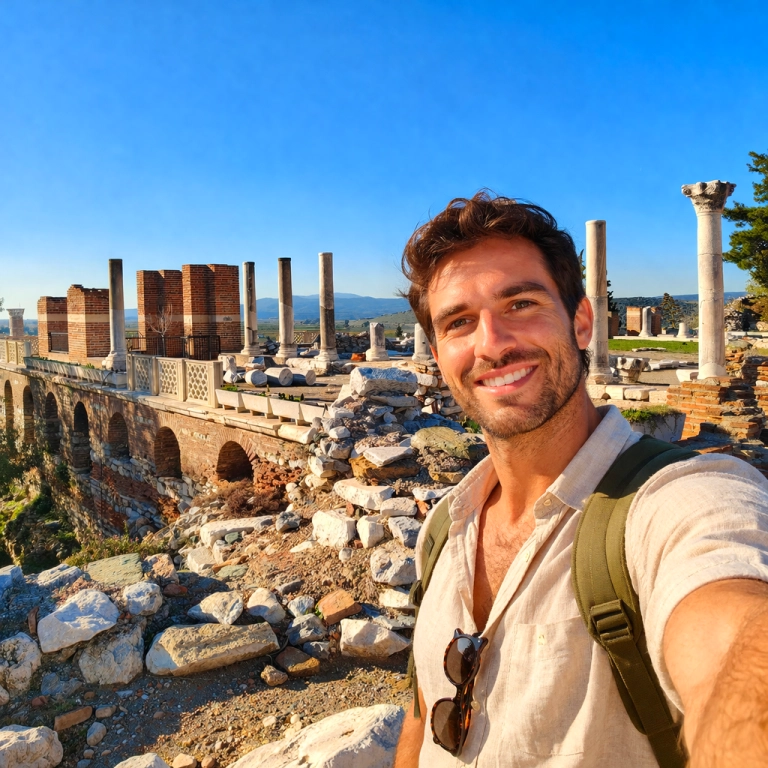
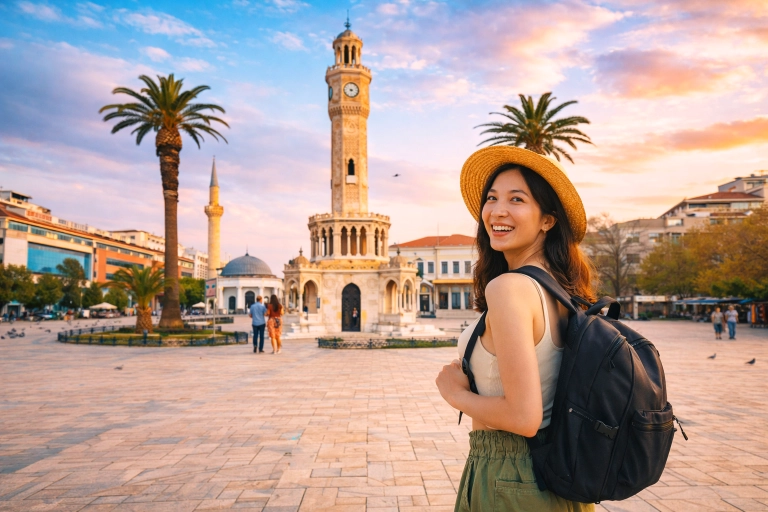
Biblical Ephesus and Smyrna Heritage Tour
Explore two biblical cities in one full-day flight itinerary from Ankara, including Ephesus Ancient City, House of Virgin Mary, Temple of Artemis, St. John Basilica, Smyrna Agora, St. Polycarp Church, Kadifekale, Konak Square, and Kemeralti.
Biblical Pergamum and Smyrna Heritage Tour
Explore two biblical cities in one full-day flight itinerary from Ankara with Pergamum Acropolis, Zeus Altar area, Asclepion, Red Basilica, Smyrna Agora, St. Polycarp Church, Kadifekale, Konak Square, and Kemeralti Bazaar.


