Bird Watching Tour at Ephesus and Meandros Valley
Join a private half-day bird watching tour from Kusadasi or Selcuk to Lake Belevi, Meandros Basin, and Lake Gebekirse with local nature guiding.
Highlights
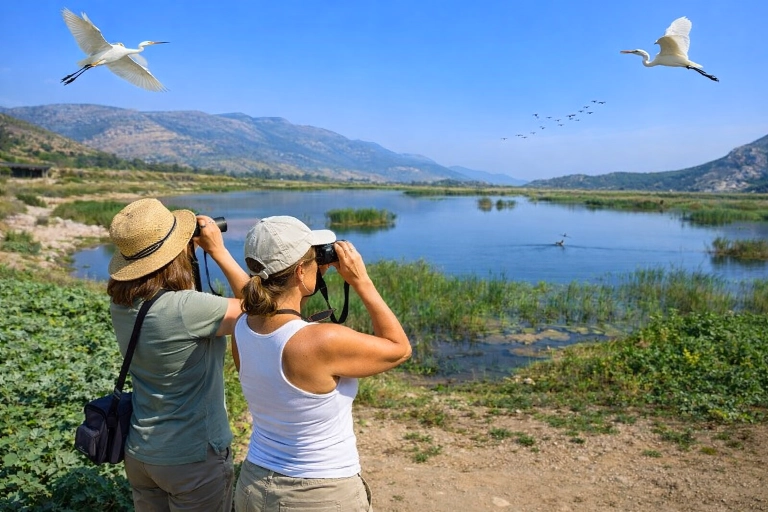
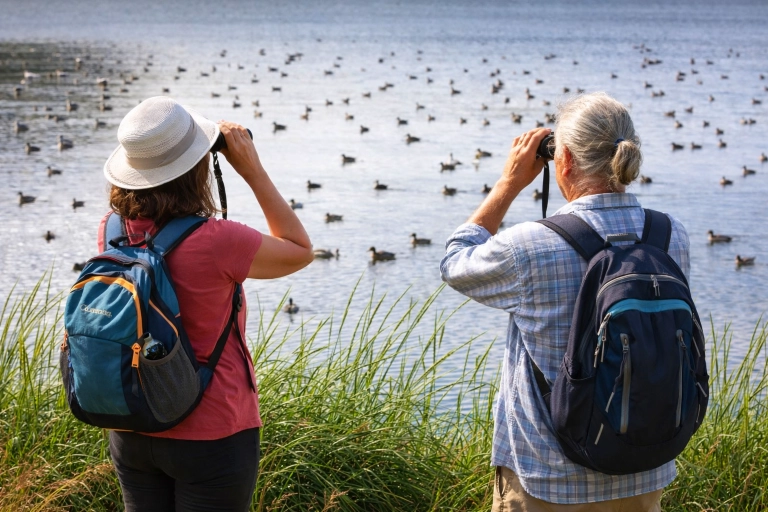
- Belevi Lake: Observe seasonal waterbirds in a calm inland habitat
- Meander Basin Viewpoints: Track birds along one of Anatolia’s key wetland corridors
- Lake Gebekirse Wetlands: Explore protected breeding and migration zones
- Nature-Focused Half Day: Flexible private route for birdwatching and photography

Bird Watching Tour at Ephesus and Meandros Valley
Join a private half-day bird watching tour from Kusadasi or Selcuk to Lake Belevi, Meandros Basin, and Lake Gebekirse with local nature guiding.
Itinerary
This bird watching tour ephesus route is designed for travelers who want wetland nature and regional wildlife in one practical program. The tour departs from Kusadasi or Selcuk and follows a private half-day format with guided field stops. Guests searching meandros valley bird watching experiences often choose this route because it combines lake habitats and delta landscapes in one itinerary. The program focuses on observation, habitat understanding, and seasonal movement of birds in the area. This makes it suitable for photographers, nature lovers, and soft-activity travelers. The route remains aligned with the listed highlights only.
The first key stop is Lake Belevi, one of the largest water bodies in the Small Meandros Basin. This section supports travelers looking for lake belevi birds and wetland biodiversity in a calm setting. The route then continues into Meandros River and basin viewpoints where river morphology and seasonal bird traffic can be observed. Field pacing is structured for binocular use, short walks, and quiet observation periods. Guests can focus on birds without rushing between points. No unrelated attractions are added to the schedule.
The final stop is Lake Gebekirse, a known protection and breeding area near Ephesus with rich bird activity. This segment is central for visitors planning a lake gebekirse birding and kusadasi birdwatching tour in the same day. Included services are licensed guide, private A/C vehicle, parking fees, local taxes, and pickup-drop-off as listed. Entrance fees, gratuities, lunch-drinks, and personal expenses remain excluded according to official details. The itinerary stays transparent and content-accurate throughout. Overall, it is a dependable selcuk nature and bird tour option.
-
Hotel Pickup (Kusadasi or Selcuk)
Pickup from your hotel or meeting point.
Start the half-day birdwatching route with private transfer toward Selcuk wetlands.
-
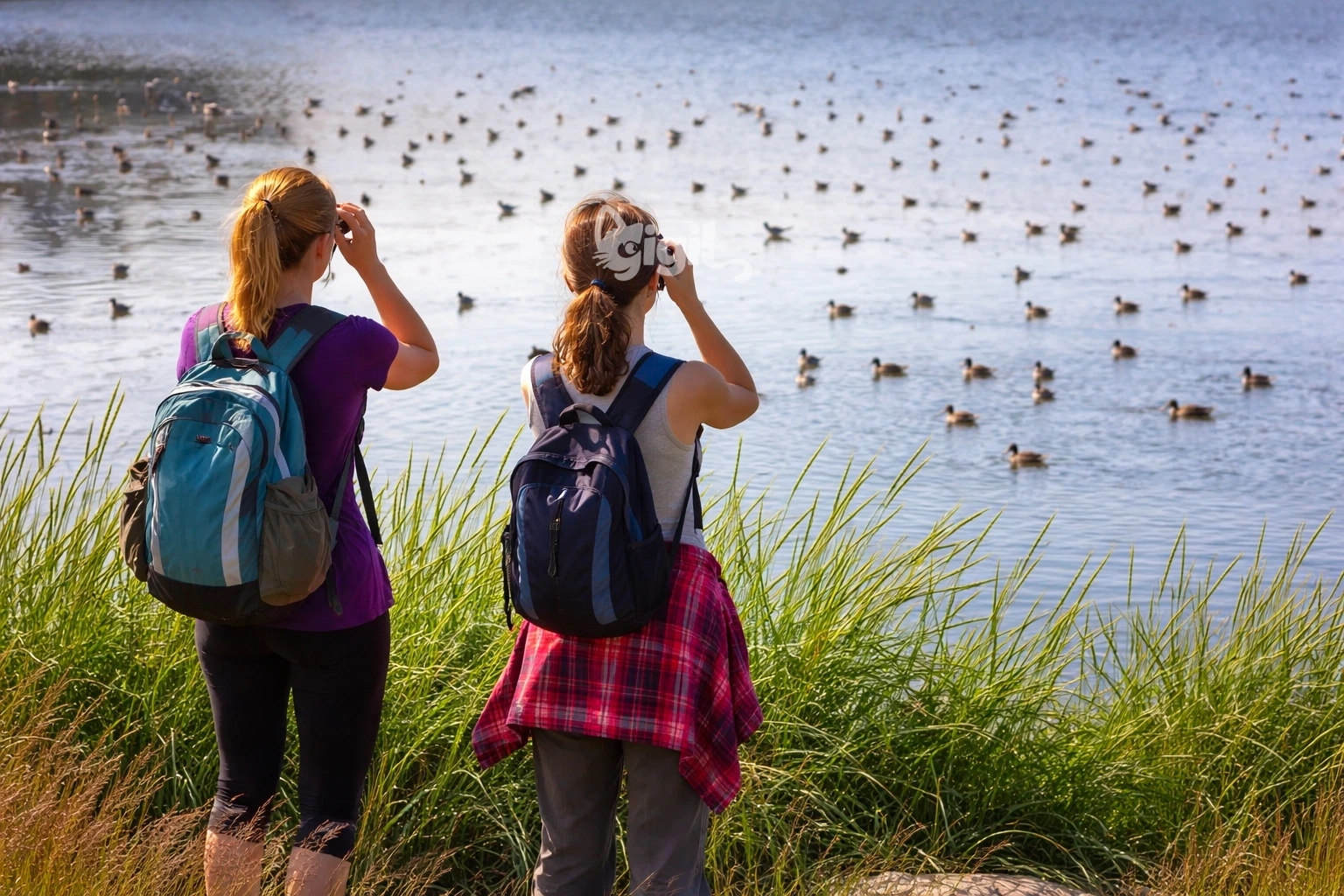
Belevi Lake Birdwatching Stop
First birdwatching session at Belevi Lake.
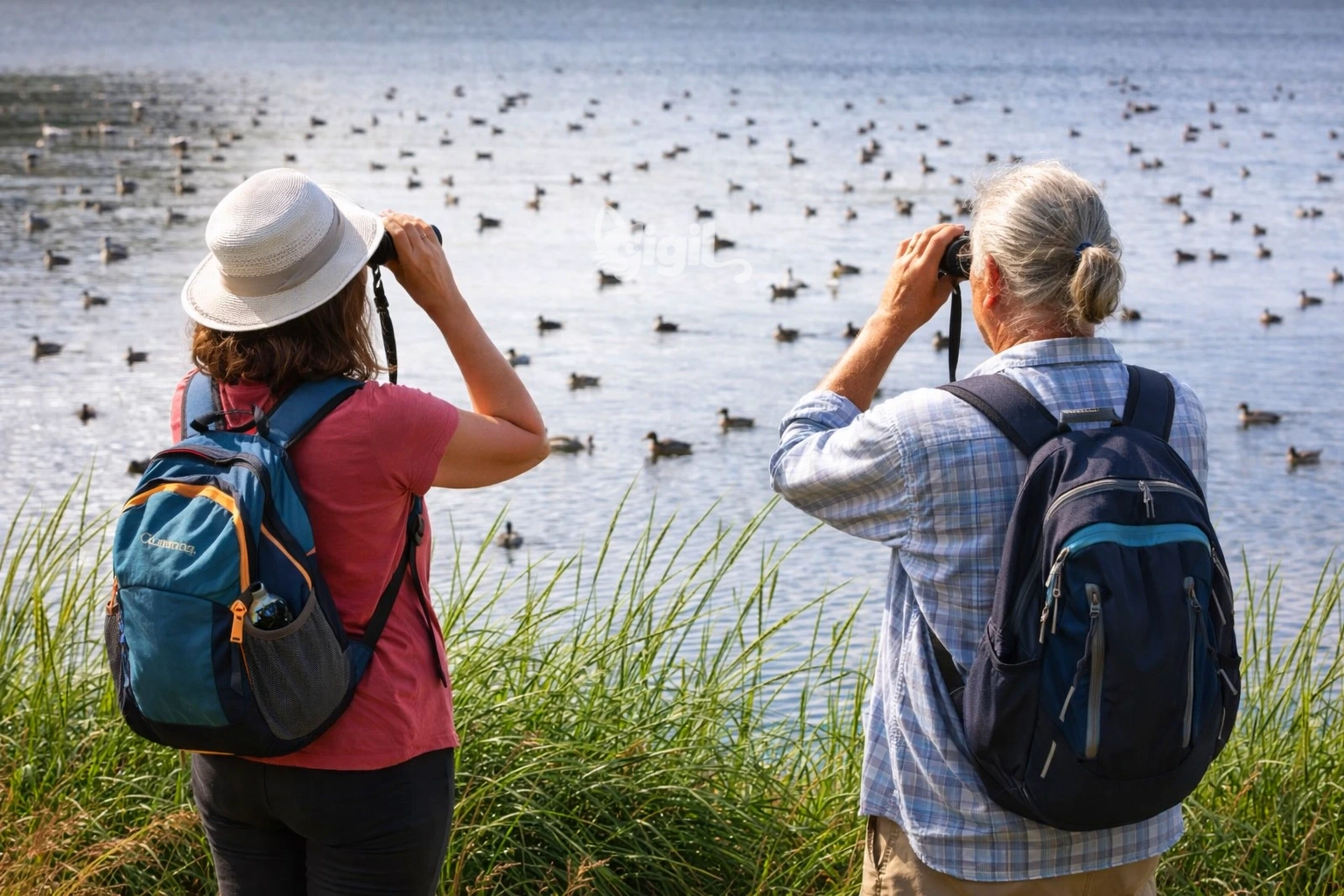
Belevi Lake hosts seasonal waterbirds and offers open habitat for observation and photography.
Belevi Lake offers a quieter and more specialized kind of nature stop, especially rewarding for travelers who enjoy birdlife, wetland atmosphere, and the slower pleasures of observation. The lake works differently from a major monument or city landmark. Its appeal lies in patience, light, and habitat. That makes the experience feel calm and focused. It is an excellent reminder that the route also includes living landscapes, not only historical ones.
As you watch the water and reed-fringed surroundings, take time to scan slowly rather than expecting instant drama. Seasonal bird movement can make the stop especially enjoyable for photography and attentive viewing. Even visitors who are not dedicated birdwatchers often appreciate the stillness of the place. Belevi works best when you let small details matter. It is a gentle but rewarding beginning to a day in the wider Selcuk region.
-
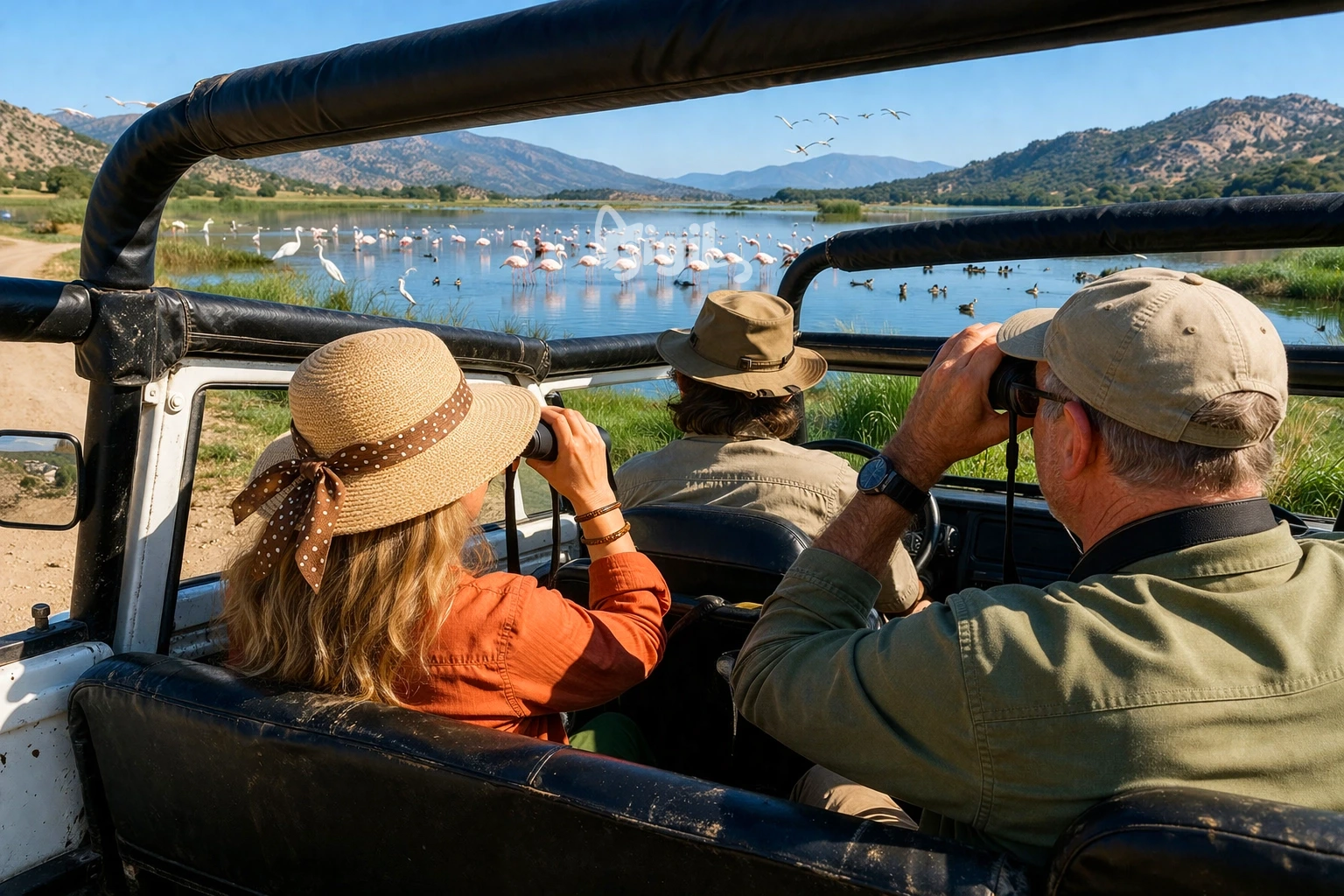
Meander Basin Wetland Route
Continue through Meander basin observation points.
The Meander basin is a key migration corridor with diverse wetland and delta-edge bird activity.
-
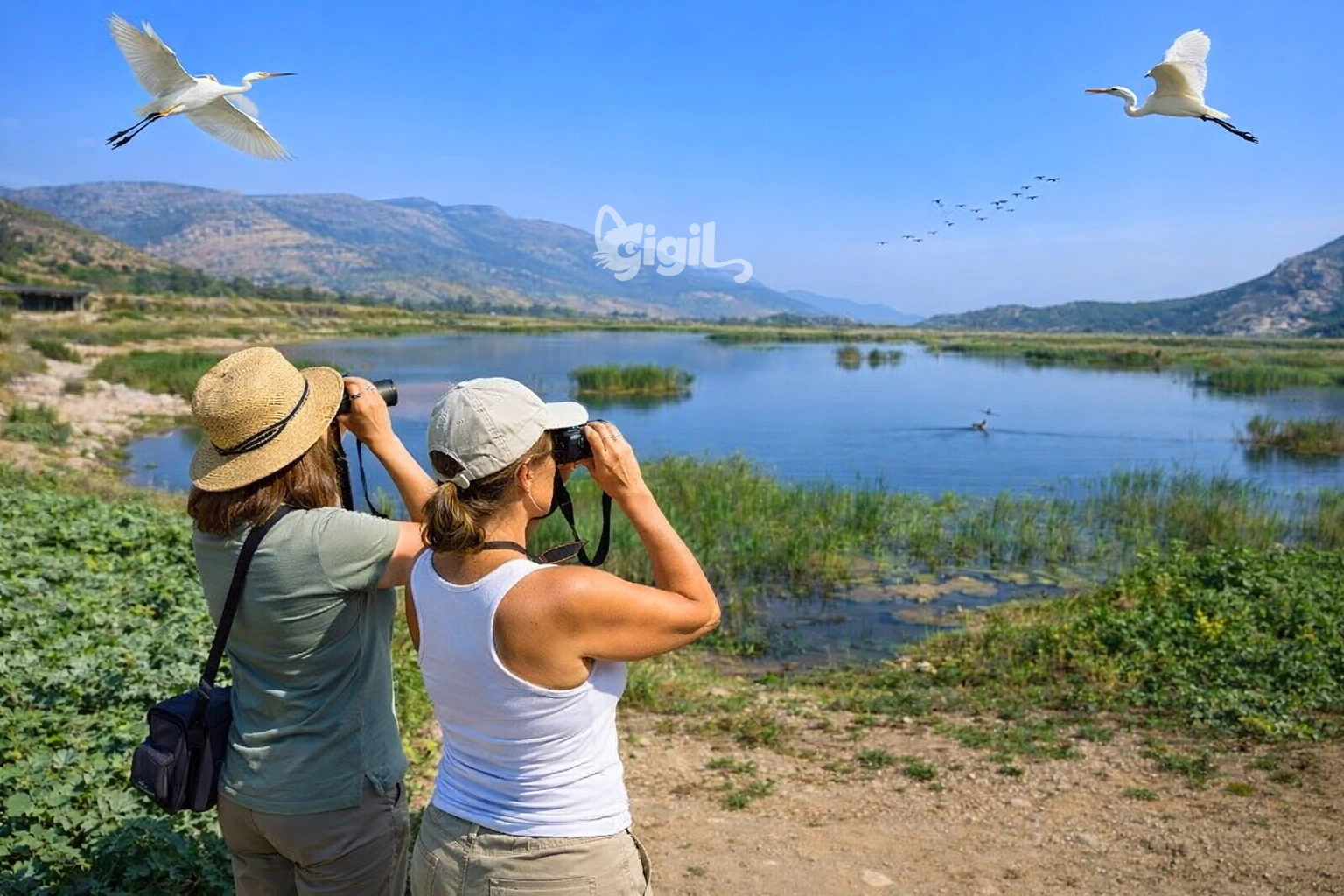
Lake Gebekirse Wetland Area
Second birdwatching session at Lake Gebekirse.
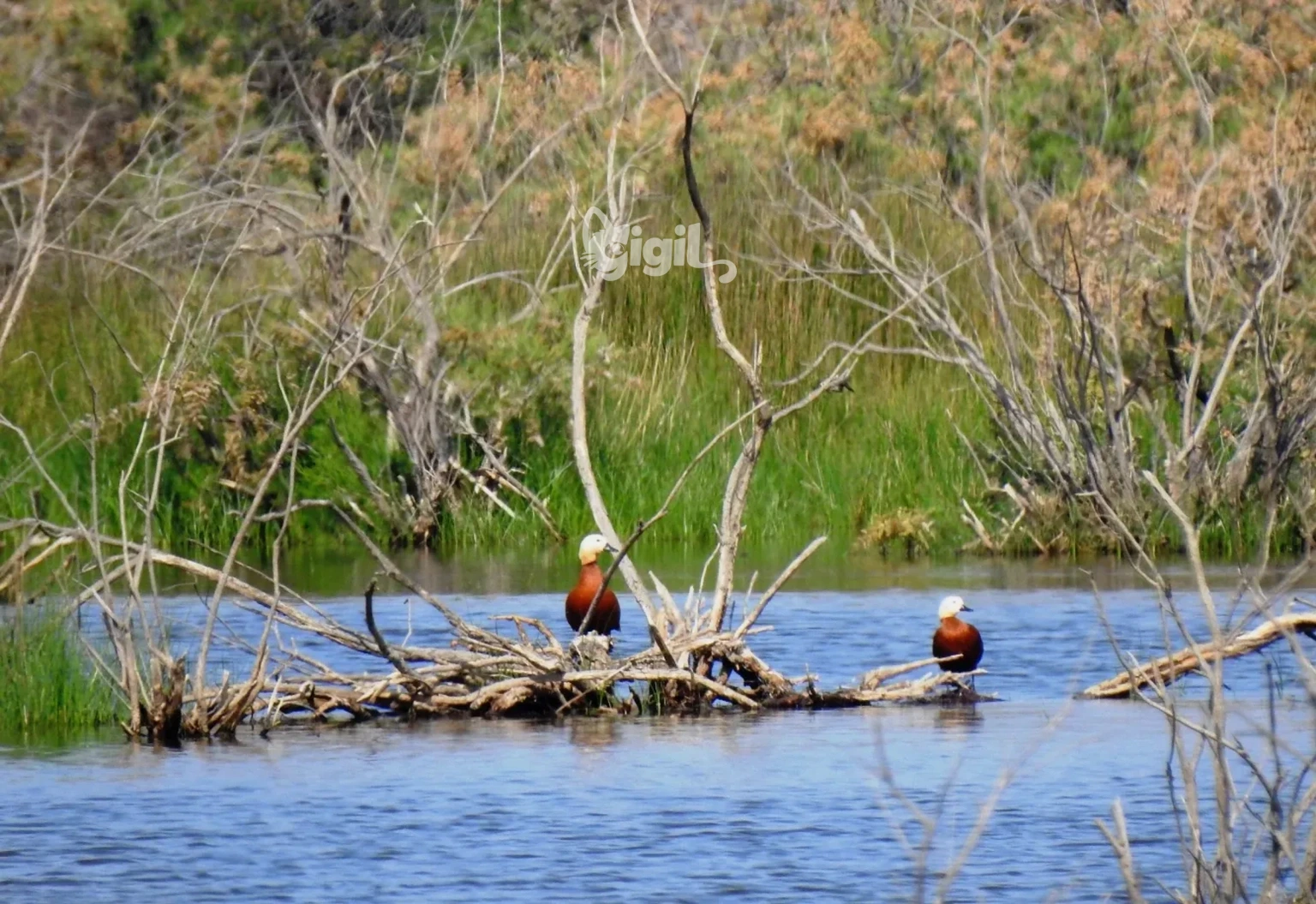
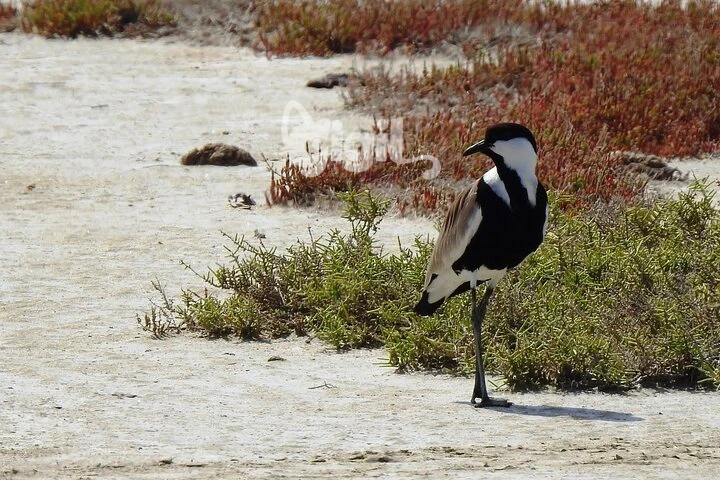
Gebekirse wetlands provide breeding and shelter zones for ducks, pelicans, and other waterbirds.
The Lake Gebekirse wetland area offers a quieter and more ecological side of the route, where the appeal comes from habitat, open water, and birdlife rather than monumental ruins. Wetlands like this matter because they create refuge and feeding space for many species, and that living richness is what gives the stop its value. The atmosphere tends to feel calm, spacious, and attentive, especially for travelers who enjoy nature through observation rather than action. It is a rewarding contrast to archaeology-heavy days.
Take your time scanning the water, reeds, and margins of the wetland. A place like this works best when you slow your pace and let small movements reveal themselves. Even if you are not a dedicated birdwatcher, the sense of quiet life and seasonal rhythm is easy to appreciate. The stop adds a softer but very memorable layer to the wider journey.
-
Return Transfer / Drop-off
Return transfer to Kusadasi or Selcuk.
Conclude the birdwatching tour with private drop-off at your hotel or meeting point.
Got a question about this tour?
Reach out to our travel experts.
Informations
-
What's Included
- Licensed professional tour guide
- Private air-conditioned vehicle
- Hotel or meeting point pick-up and drop-off
- Parking fees and local road taxes
-
What's Excluded
- Personal equipment and optional gear rental
- Food, drinks, and personal expenses
- Tips for guide and driver
-
Entrance Fees
- No mandatory entrance ticket for standard wetland route
- Optional protected area or local access fees may apply by season
-
Travel Tips
- Bring binoculars and camera with zoom lens
- Wear comfortable walking shoes and neutral outdoor clothing
- Use hat, sunscreen, and water especially in warm months
- Early departure improves bird activity and visibility
-
Note
- Tour operates all year round with seasonal species variation
- Suitable for private travel and small groups
- Bird diversity changes by migration period and weather conditions
- Route includes natural trails and uneven ground
- Final tour details and confirmation are sent by e-mail after booking
Your Peace of Mind Options
Cancellation Policy
A transparent overview of applicable fees.
Customer Comments - Tripadvisor Write A Review!
Customer Comments - Tripadvisor




Tour Reminder!
You can create a reminder for yourself for this tour. We will send you a reminder e-mail/sms about this tour on the date you specify.
FAQs
-
How long is the birdwatching half-day tour from Kusadasi?
This is typically a 5-hour half-day tour. Exact timing depends on pickup location, traffic, and how long you spend at each observation stop. -
What is included in the itinerary?
The itinerary includes pickup, birdwatching at Belevi Lake, observation along the Meander basin wetland corridor, and a second session at the Lake Gebekirse wetland area, then return transfer to Kusadasi or Selcuk. -
Are there entrance tickets for the wetlands?
There is no mandatory entrance ticket for the standard wetland route. Optional protected area or local access fees can apply by season or local policy. -
Do you provide binoculars or camera equipment?
Personal equipment is not included by default. We recommend bringing binoculars and a camera with a zoom lens if you want the best viewing and photography. If you need guidance on gear, tell us in advance. -
What kind of birds can I see on this tour?
Species vary by season, migration period, and weather. The route is designed around wetland habitats that can host waterbirds and migratory species, but exact sightings cannot be guaranteed in nature. -
Is this tour mostly driving or walking?
It is a mixed route with short walks and observation points. Expect natural trails and uneven ground at some stops, but the walking is generally light to moderate and can be adjusted to your comfort. -
What is the best time of day for birdwatching?
Early timing is usually best because bird activity is higher and visibility can be better. If you want the strongest birding experience, choose an earlier pickup. -
What should I wear and bring?
Bring binoculars, a camera with zoom lens if possible, comfortable walking shoes, neutral outdoor clothing, sun protection, and water. A hat is useful in warm months. -
Is this tour suitable for families and seniors?
Yes, with the right expectations. Some observation areas have uneven ground. A private pace can be adjusted and walking can be kept light. -
Can the route be customized for photography or specific interests?
Yes. As a private tour, timing and observation focus can be adjusted within the overall duration. If you prefer more photography time or fewer stops with longer sessions, tell us in advance.
General FAQs
-
What currency is used in Turkey?
Turkey uses the Turkish Lira (TRY).
- Cards are widely accepted in cities and tourist areas, but cash is still useful for small purchases.
- ATMs are common. Exchange offices and banks are also available.
-
Can I pay by credit card in Turkey?
In most restaurants, hotels, and shops you can pay by card.
- For markets, small shops, taxis, and tips, carrying some cash is recommended.
- Let your bank know you are traveling to avoid card blocks.
-
Is Turkey safe for tourists?
Turkey is generally safe for visitors, especially in main tourist areas.
- As in any destination, watch out for pickpockets in crowded places.
- Use licensed taxis/transport where possible and keep valuables secure.
-
What should I wear when visiting mosques in Turkey?
Dress modestly when entering mosques.
- Shoulders and knees should be covered.
- Women may be asked to cover their hair.
- Shoes are usually removed at the entrance.
-
Do I need a visa to visit Turkey?
Visa requirements depend on your nationality.
- Please check the latest rules from official sources (consulate/embassy or the official e-visa portal) before travel.
-
What is the best time to visit Turkey?
Spring and autumn are popular because temperatures are usually milder.
- Summer can be hot on the coast and inland.
- Winter is quieter and can be great for cities and some regions.
-
Will English be enough in Turkey?
Turkish is the official language. In tourist areas, English is commonly spoken.
- Learning a few basic Turkish words is appreciated and can help outside major areas.
-
What power plug is used in Turkey?
Turkey typically uses Type C and Type F plugs (220V, 50Hz).
- If your devices use a different plug type, bring a travel adapter.
-
Is tap water safe to drink in Turkey?
In many places, visitors prefer bottled water.
- Hotels and restaurants usually provide bottled water easily.
-
Is tipping expected in Turkey?
Tipping is common and appreciated for good service.
- In restaurants, rounding up or leaving a small amount is typical.
- For guides and drivers, tips are at your discretion based on satisfaction.
-
Do I need to carry my passport in Turkey?
We recommend keeping your passport safely in your hotel and carrying a copy (photo or printed) when out.
- Some venues may request an ID; your guide can advise for your route.
-
Do museums and sites have weekly closure days in Turkey?
Opening hours can change by season and some venues may have weekly closure days.
- We recommend checking the latest opening hours close to your travel date.
- Starting earlier in the day helps to avoid crowds at popular sites.
-
What are the emergency numbers in Turkey?
Dial 112 for emergencies (medical, police, fire and other urgent situations).
- 112 is a unified emergency line in Turkey.
- If you do not speak Turkish, try English and share your location clearly.
-
How do I get from airports to the city in Turkey?
Options depend on the city, but common choices are:
- Official airport taxi
- Airport shuttles/buses
- Metro/train (available in some cities)
- Pre-booked private transfers
If you arrive late at night or with luggage, a pre-booked transfer can be the easiest option.
-
Are taxis and ride-hailing apps reliable in Turkey?
Use licensed taxis and make sure the meter is used (unless a fixed airport fare is confirmed).
- In some cities, taxi-hailing apps can help you find a taxi more easily.
- If possible, keep small cash and ask for a receipt when needed.
-
How do I buy a SIM/eSIM in Turkey?
You can buy SIM/eSIM options from mobile operators and official stores.
- Bring your passport for registration.
- For longer stays, foreign phones may require device registration (IMEI) to keep working on local networks.
-
What are typical opening hours in Turkey?
Opening hours vary by city and season.
- Many shops and malls stay open late, especially in tourist areas.
- Some museums may close earlier and may have weekly closure days.
- During national or religious holidays, hours can change.
-
How do pharmacies work in Turkey (duty pharmacy)?
Pharmacies are called Eczane. Outside normal hours, there is usually a rotating on-duty pharmacy (Nöbetçi Eczane).
- Regular pharmacies typically post the on-duty pharmacy information on the door/window.
- Your hotel reception can also help you find the nearest one.
Let's Customize Your Trip!
Prepare your own tour plan!
Good to Know
-
Good to know: Early pickup usually gives better bird activity
Bird activity is often higher in the morning. Earlier timing can improve both sightings and photography. -
Good to know: Neutral clothing can help observation
Neutral outdoor colors can be more comfortable for wildlife watching and photography than bright clothing. -
Good to know: A zoom lens and binoculars make a big difference
Wetland birds are often seen at distance. Proper gear upgrades the experience significantly. -
Good to know: Species change by season
This route is strongly seasonal. Migration periods can offer different species and higher diversity. -
Good to know: Bring water and sun protection
Wetland viewpoints can be exposed. Water, sunscreen, and a hat improve comfort.
Want to read it later?
Download this tour’s PDF brochure and start tour planning offline
Similar Tours
Ephesus and St. John Basilica Tour
Explore Ephesus Ancient City and St. John Basilica on a half-day private car tour from Kusadasi or Selcuk with licensed guide service.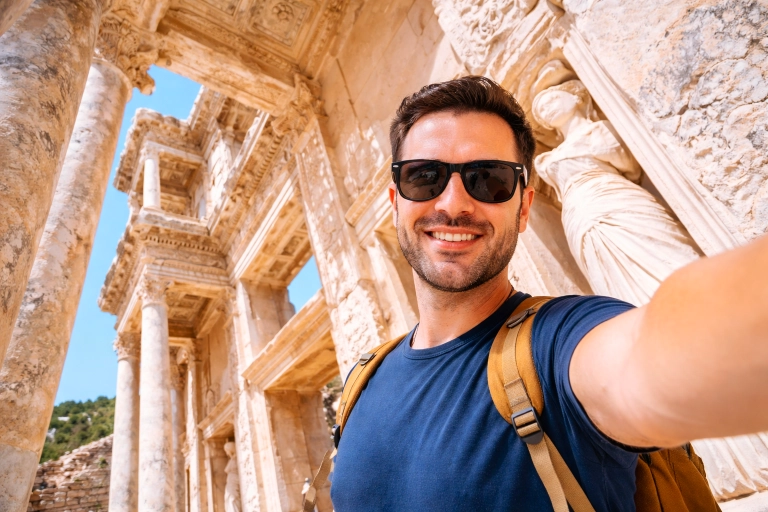
Ephesus and House of Virgin Mary Tour
Explore Ephesus Ancient City and the House of Virgin Mary on a 5-hour half-day private car tour from Kusadasi or Selcuk with licensed guide.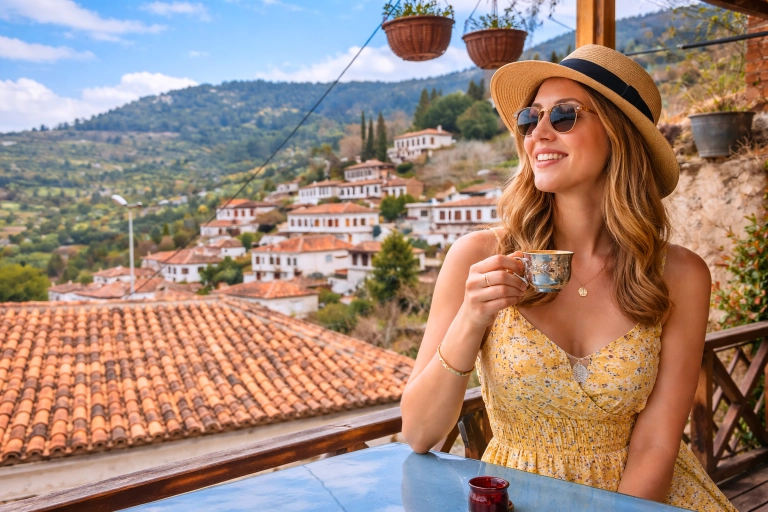
Sirince Turkish Village Life Tour
Experience Sirince Turkish village life on a half-day 4-hour private car tour from Kusadasi or Selcuk with local guide and free village time.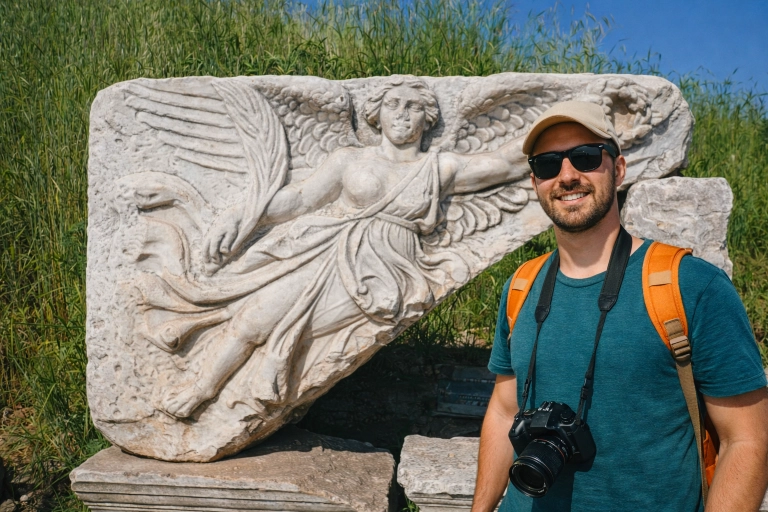
Ephesus Ruins and Selcuk Museum Tour
Discover Ephesus Ancient City and Selcuk Ephesus Archaeological Museum on a private half-day 5-hour tour from Kusadasi or Selcuk.