
Cappadocia Valleys and Summit Trek
Join a 2 day Cappadocia Valleys and Summit Trek from Cappadocia with hotel or airport pick-up, guided transport support, and 1 night camp accommodation. Hike Ihlara Valley, visit Selime area, trek Aladaglar and Bolkar mountain zones, and finish with Nargolu crater lake before return.
Highlights
- Ihlara Valley canyon trail, river-side trekking with volcanic landscape texture
- Selime Monastery zone, rock-cut architecture and elevated valley panoramas
- Mount Hasan high trail, summit-line views over Central Anatolian plateau
- Nargolu crater lake stop, volcanic geology finale before Goreme return

Cappadocia Valleys and Summit Trek
Join a 2 day Cappadocia Valleys and Summit Trek from Cappadocia with hotel or airport pick-up, guided transport support, and 1 night camp accommodation. Hike Ihlara Valley, visit Selime area, trek Aladaglar and Bolkar mountain zones, and finish with Nargolu crater lake before return.
Itinerary
This itinerary is designed for travelers who want a structured 2 day Cappadocia hiking tour with valley walking and mountain ascent in one package. The program starts with pick-up from Cappadocia hotels or Nevsehir and Kayseri airport points, then continues with guided overland support. Guests searching a practical Cappadocia hotel airport pickup hike can match this tour with the exact route listed in the itinerary. Day one focuses on Ihlara Valley and Selime area before overnight camping near Helvadere. The format works well for active travelers looking for a clear Cappadocia overnight camp hike schedule.
The first hiking stage crosses Ihlara Valley where canyon scenery, river sections, and historical rock-cut structures define the route. This section is relevant for guests researching an Ihlara Valley Selime hike with both natural and cultural texture. After valley trekking, the route advances to Selime and then transfers to the Helvadere side for camp preparation. The second day begins early and climbs toward Aladaglar and Bolkar mountain areas for broad regional views. At summit level, the tour delivers a strong Aladaglar Bolkar summit trekking experience with high-elevation perspective.
After summit and exploration time, the group descends for lunch and continues toward Goreme with a stop at Nargolu crater lake on the return line. This ending stage adds extra value for travelers comparing a guided Cappadocia trekking package with varied terrain and geological highlights. Included services cover guide support, driver and transport logistics, entrance fees, and one night camp accommodation. Excluded items remain transparent, so budgeting for drinks and lunches is easier before travel day. Overall, this is a dependable Cappadocia valleys and mountains trek tied directly to the official two-day route.
-
Day 1
Ihlara Valley and Selime Trek
Pickup from hotel or airport-linked meeting point.
Route begins with scheduled pickup from Goreme/Cappadocia area collection points.
Transfer to Ihlara ValleyMorning transfer to Ihlara trekking start zone.
Ihlara Valley is one of Cappadocia's longest canyon systems formed by Melendiz River erosion.
Ihlara Canyon Trail StartStart guided valley trekking segment.
The trail enters a deep volcanic canyon lined with rock-cut heritage remains.
The start of the Ihlara Canyon trail marks the beginning of one of Cappadocia's most immersive walking experiences, where volcanic geology, greenery, and rock-cut heritage come together in a very different way from the open plateau landscapes nearby. Descending into the canyon, the atmosphere changes quickly as the space becomes cooler, narrower, and more enclosed. The trail invites you to experience the region through movement and texture rather than viewpoints alone. It feels adventurous without losing its historical depth.
What makes this start point exciting is the sense that the canyon will reveal itself step by step. Along the route, nature and carved human presence are closely intertwined, creating a landscape that feels lived, hidden, and surprisingly lush. Beginning the walk here gives you a strong sense of transition from road travel into a deeper encounter with the terrain. From the first steps, the canyon already promises something richer than a standard stop.
Belisirma Riverside SectionContinue hiking on river-side section.
Belisirma stretch combines riverside path sections with shaded vegetation and old settlement traces.
The Belisirma riverside section is one of the most pleasant parts of the Ihlara walk, where the valley suddenly feels greener, softer, and more intimate than the open plateau above. The stream, shade, and traces of settlement make this section especially enjoyable on foot. It gives the route a refreshing rhythm. After the wider canyon views, the riverside path feels more immediate and lived in. That contrast is part of its charm.
As you continue along the water, notice the trees, rock faces, and quieter pockets that make this stretch feel almost sheltered. Travelers often appreciate Belisirma because it combines light activity with genuine atmosphere and a sense of hidden continuity in the valley. It is a good place to look carefully rather than hurry. The riverside rewards attention to texture, sound, and shade. This is where Ihlara often feels most inviting.
Lunch Break on TrailMidday trekking break (not included).
Lunch break is planned on route; meal cost is paid directly by guests.
This lunch break on the trail route is part of the rhythm of a real day outdoors, not just a scheduled meal stop. By this point you have already walked through canyon scenery and riverside stretches that show a softer, greener side of central Anatolia. The break gives your legs and pace a chance to reset before the route continues toward Selime and the camp transfer. It is the sort of stop that feels earned, especially after time on foot.
A trail lunch here is most enjoyable when it stays simple and satisfying, with grilled items, gözleme, soups, salads, yogurt, or bread-based plates that restore energy without slowing you down too much. The surroundings matter just as much as the food, because shade, water, and the quiet of the valley often shape the experience. Tea at the end of the meal can feel especially welcome after a morning of walking. When you continue, the day keeps its adventure character while still feeling comfortably paced.
Selime Monastery AreaVisit Selime's elevated rock-cut complex.
Selime is known for monumental rock-cut monastery spaces above the valley plain.
The Selime Monastery area is one of the most impressive rock-cut complexes in the Cappadocia region, combining monumental carved spaces with a commanding position above the plain. After the valley sections of the route, arriving here feels like reaching a dramatic climax. The monastery has a stronger architectural presence than many smaller cave churches, which makes it especially memorable. It shows how large and ambitious rock-cut religious spaces could become in this landscape.
What makes Selime so rewarding is the relationship between structure and setting. The carved halls, elevated position, and open views across the plain create a powerful sense of both refuge and authority. It is easy to imagine the site functioning as a real monastic center rather than as an isolated curiosity. For many visitors, this becomes one of the most impressive inland stops in Cappadocia.
Helvadere Camp TransferTransfer from Selime side to camp area.
Vehicle support moves the group to Helvadere foothill camp zone for overnight.
Camp Setup and OvernightSet camp and rest before summit day.
Overnight camp supports early ascent timing for day-two mountain hike.
-
Day 2
Sunrise Trail Departure
Early departure from camp to ascent route.
The ascent starts before noon to align with stable morning mountain conditions.
Mount Hasan Ascent TrackContinue guided ascent on high-altitude trail.
Mount Hasan is one of Central Anatolia's major stratovolcanic massifs with broad ridge views.
The Mount Hasan ascent track offers a very different side of central Anatolia from the better-known valleys of Cappadocia. Here the experience is shaped by elevation, open ridgelines, and the feeling of moving across a major volcanic massif rather than through sculpted tuff formations. The landscape feels wider, harsher, and more elemental, which gives the climb a strong sense of adventure. It is a rewarding stop for travelers who want to feel the physical scale of the region.
What makes the route memorable is not only the exercise, but the shift in perspective it creates. As you gain height, the wider geography of central Anatolia begins to open around you, and the terrain feels both remote and deeply historic. The ascent also adds a more active, expedition-like tone to the day. By the time you continue toward the viewpoint and ruins, the mountain already feels like one of the trip's most distinctive encounters.
Summit-Line ViewpointScenic stop for plateau and lake panoramas.
From upper ridge levels, long-distance views open toward surrounding volcanic plains.
The summit-line viewpoint on the Mount Hasan route gives you the sense of standing above central Anatolia rather than simply within it. From here, the terrain opens outward into volcanic plains, distant ridges, and long horizons that feel very different from the enclosed valleys of Cappadocia. The view carries a strong feeling of altitude and exposure. It is one of the moments when the mountain route becomes fully legible.
What makes this stop memorable is the scale of the perspective. The climb suddenly pays off through a panorama that feels broad, raw, and deeply regional. You begin to understand how mountains, crater lakes, and plains belong to one connected geography. The viewpoint gives the whole ascent a sense of purpose and drama.
High-Altitude Church RuinsShort exploration of upper historical remains.
Rock-cut and ruined religious traces highlight historic mountain-route usage.
The high-altitude church ruins add a quieter, more remote layer to Cappadocia's religious landscape. Perched in a higher section of the terrain, the remains feel exposed to wind, light, and distance in a way that gives the stop a different mood from the region's better-known valley churches. The site suggests a devotional world shaped by isolation, endurance, and adaptation to the land itself. Even in ruin, that atmosphere is still easy to feel.
What makes this kind of stop rewarding is not polished monumentality, but the way place and purpose still seem connected. The ruined traces, rock forms, and elevated setting encourage you to imagine a spiritual landscape built into one of Anatolia's most unusual geographies. It is a good reminder that Cappadocia's Christian heritage was spread across many levels of fame and scale, not only its headline sites. A brief pause here can make the region feel broader, older, and more layered.
Descent to Helvadere BaseDescend from high trail back to camp side.
Return descent follows guided safety pacing on uneven volcanic terrain.
The descent to Helvadere base is an important part of the trekking experience because it turns the ascent into a complete mountain day rather than a one-way achievement. Descents have their own character. They ask for steady focus, patience, and a different kind of endurance. That makes this segment meaningful in its own right. The route back is part of the accomplishment.
As you descend, notice how the landscape gradually changes scale and the higher terrain begins to release you back toward camp and settlement. Travelers often appreciate this phase because it allows the effort of the day to settle physically and mentally. The mountain feels different on the way down. That contrast is part of the experience. The descent gives the trek its full arc.
Lunch Break at HelvadereLate break after descent (not included).
Lunch break is scheduled post-descent; meal cost is paid directly by guests.
A lunch break at Helvadere feels well earned after the effort and scenery of the trail and descent. By this point, the route has already delivered both physical movement and dramatic volcanic landscape, so a proper pause becomes part of the experience rather than an interruption. Helvadere gives the day a more grounded village-edge feeling after the exposed terrain. The stop is simple, but it arrives at exactly the right time.
For food, hearty central Anatolian fare makes the most sense here. Grilled meats, soups, stews, village bread, yogurt-based sides, and filling local dishes suit a trekking day much better than anything overly light. A direct, satisfying meal helps reset energy before the route continues. The lunch often feels memorable because it follows effort with comfort.
Nargolu Crater Lake StopCooling stop at volcanic crater lake.
Nargolu is a crater-lake formation associated with regional volcanic geology.
Nargolu Crater Lake adds a refreshing geological note to a day already shaped by mountains, ascent, and remote terrain. After the physical effort and high-altitude atmosphere of the Mount Hasan route, the lake feels like a cool, quiet counterpoint. Its volcanic origin fits naturally with the wider landscape of central Anatolia, where hidden geological stories often lie beneath the surface. Even a short stop here gives the day a different mood.
What makes Nargolu appealing is its calm and unexpected beauty. The crater setting creates a more enclosed and intimate landscape than the broad mountain slopes earlier in the route. It is a good place to pause, reset, and appreciate how varied the region can feel within a single day. For many travelers, the lake becomes a small but surprisingly memorable finale to the adventure.
Goreme Drop-offReturn transfer and end of trekking program.
Route ends with drop-off at original Cappadocia collection points.
Got a question about this tour?
Reach out to our travel experts.
Informations
-
What's Included
- Hotel or airport pickup and drop-off (Cappadocia / Nevsehir / Kayseri)
- Professional licensed hiking guide
- Ground transportation with driver support
- Entrance fees for listed trekking and site areas
- 1 night camp accommodation
-
What's Excluded
- Drinks
- Tips and gratuities
- Lunches during trekking days
-
Entrance Fees
- Entrance fees for listed valley and historical route stops are included in the tour price.
-
Travel Tips
- Wear trekking shoes with good grip
- layered outdoor clothing
- and carry personal water
- sun protection
- and light rain gear according to season.
-
Note
- This itinerary requires good mobility on uneven and ascending terrain and is not suitable for wheelchair access.
Your Peace of Mind Options
Cancellation Policy
A transparent overview of applicable fees.
Customer Comments - Tripadvisor Write A Review!
Customer Comments - Tripadvisor





Tour Reminder!
You can create a reminder for yourself for this tour. We will send you a reminder e-mail/sms about this tour on the date you specify.
FAQs
-
What does the 2 Day Cappadocia Valleys and Summit Trek include?
- Hotel or airport pickup and drop-off (Cappadocia, Nevsehir, Kayseri)
- Professional licensed hiking guide
- Ground transportation with driver support
- Entrance fees for listed trekking and site areas
- 1 night camp accommodation
-
What happens on Day 1 (Ihlara Valley and Selime Trek)?
- Transfer to Ihlara Valley and start canyon trekking
- Walk the Belisirma riverside section
- Visit the Selime Monastery area
- Transfer to Helvadere area for camp setup and overnight
-
What happens on Day 2 (Mount Hasan trail and return)?
- Early departure for the sunrise trail
- Mount Hasan ascent track and high viewpoint sections
- Descent back to the Helvadere base area
- Nargolu crater lake photo stop
- Drop-off in Goreme area
-
Is this trek suitable for beginners?
- This is an active hiking program with uneven terrain and longer walking hours
- Fitness and hiking comfort matter more than technical climbing skills
- If you have concerns, share your fitness level so the guide can advise realistically
-
Does the itinerary guarantee a summit on Mount Hasan?
- The route includes Mount Hasan ascent and summit-line viewpoints
- Exact progress depends on weather, trail conditions, and group pace
- The guide prioritizes safety and may adjust the plan if needed
-
Is camping included and what should I expect?
- Yes, 1 night camp accommodation is included
- Expect basic camp conditions and outdoor overnight comfort needs
- Bring personal comfort items that fit in a small bag
-
Are entrance fees included?
- Yes, entrance fees for listed trekking and site areas are included
-
Are meals and drinks included?
- Lunches during trekking days are not included
- Drinks are not included
- Bring cash and snacks to stay comfortable during long trail hours
-
What should I bring for this trekking program?
- Hiking shoes with good grip
- Layered clothing for temperature changes
- Hat, sunscreen, and sunglasses
- Headlamp or flashlight for early start
- Refillable water bottle and trail snacks
-
What is not included in the price?
- Drinks
- Lunches during trekking days
- Tips and gratuities
General FAQs
-
What currency is used in Turkey?
Turkey uses the Turkish Lira (TRY).
- Cards are widely accepted in cities and tourist areas, but cash is still useful for small purchases.
- ATMs are common. Exchange offices and banks are also available.
-
Can I pay by credit card in Turkey?
In most restaurants, hotels, and shops you can pay by card.
- For markets, small shops, taxis, and tips, carrying some cash is recommended.
- Let your bank know you are traveling to avoid card blocks.
-
Is Turkey safe for tourists?
Turkey is generally safe for visitors, especially in main tourist areas.
- As in any destination, watch out for pickpockets in crowded places.
- Use licensed taxis/transport where possible and keep valuables secure.
-
What should I wear when visiting mosques in Turkey?
Dress modestly when entering mosques.
- Shoulders and knees should be covered.
- Women may be asked to cover their hair.
- Shoes are usually removed at the entrance.
-
Do I need a visa to visit Turkey?
Visa requirements depend on your nationality.
- Please check the latest rules from official sources (consulate/embassy or the official e-visa portal) before travel.
-
What is the best time to visit Turkey?
Spring and autumn are popular because temperatures are usually milder.
- Summer can be hot on the coast and inland.
- Winter is quieter and can be great for cities and some regions.
-
Will English be enough in Turkey?
Turkish is the official language. In tourist areas, English is commonly spoken.
- Learning a few basic Turkish words is appreciated and can help outside major areas.
-
What power plug is used in Turkey?
Turkey typically uses Type C and Type F plugs (220V, 50Hz).
- If your devices use a different plug type, bring a travel adapter.
-
Is tap water safe to drink in Turkey?
In many places, visitors prefer bottled water.
- Hotels and restaurants usually provide bottled water easily.
-
Is tipping expected in Turkey?
Tipping is common and appreciated for good service.
- In restaurants, rounding up or leaving a small amount is typical.
- For guides and drivers, tips are at your discretion based on satisfaction.
-
Do I need to carry my passport in Turkey?
We recommend keeping your passport safely in your hotel and carrying a copy (photo or printed) when out.
- Some venues may request an ID; your guide can advise for your route.
-
Do museums and sites have weekly closure days in Turkey?
Opening hours can change by season and some venues may have weekly closure days.
- We recommend checking the latest opening hours close to your travel date.
- Starting earlier in the day helps to avoid crowds at popular sites.
-
What are the emergency numbers in Turkey?
Dial 112 for emergencies (medical, police, fire and other urgent situations).
- 112 is a unified emergency line in Turkey.
- If you do not speak Turkish, try English and share your location clearly.
-
How do I get from airports to the city in Turkey?
Options depend on the city, but common choices are:
- Official airport taxi
- Airport shuttles/buses
- Metro/train (available in some cities)
- Pre-booked private transfers
If you arrive late at night or with luggage, a pre-booked transfer can be the easiest option.
-
Are taxis and ride-hailing apps reliable in Turkey?
Use licensed taxis and make sure the meter is used (unless a fixed airport fare is confirmed).
- In some cities, taxi-hailing apps can help you find a taxi more easily.
- If possible, keep small cash and ask for a receipt when needed.
-
How do I buy a SIM/eSIM in Turkey?
You can buy SIM/eSIM options from mobile operators and official stores.
- Bring your passport for registration.
- For longer stays, foreign phones may require device registration (IMEI) to keep working on local networks.
-
What are typical opening hours in Turkey?
Opening hours vary by city and season.
- Many shops and malls stay open late, especially in tourist areas.
- Some museums may close earlier and may have weekly closure days.
- During national or religious holidays, hours can change.
-
How do pharmacies work in Turkey (duty pharmacy)?
Pharmacies are called Eczane. Outside normal hours, there is usually a rotating on-duty pharmacy (Nöbetçi Eczane).
- Regular pharmacies typically post the on-duty pharmacy information on the door/window.
- Your hotel reception can also help you find the nearest one.
Let's Customize Your Trip!
Prepare your own tour plan!
Good to Know
-
Good to know: Day 2 starts very early
- Pack your headlamp and a warm layer
- Keep essentials ready the night before
-
Good to know: temperatures can change quickly on high trails
- Layered clothing helps you stay comfortable
- Wind can make conditions feel colder
-
Good to know: carry enough water and snacks
- Lunches and drinks are excluded
- Trail snacks improve energy and comfort
-
Good to know: keep your day bag light
- Long walking days feel easier with a lighter bag
- Carry only essentials and protect valuables
-
Good to know: pace and safety come first
- Ascent progress depends on conditions and group pace
- Follow the guide instructions for a safe trek
Want to read it later?
Download this tour’s PDF brochure and start tour planning offline
Similar Tours

Ionian Ancient Cities and Temples Tour
Discover Western Anatolia on a 1 Night 2 Days Ionian Ancient Cities and Temples Tour from Bodrum by private car, covering Didyma Apollo Temple, Miletus, Priene, Ephesus, House of Virgin Mary and Artemis Temple.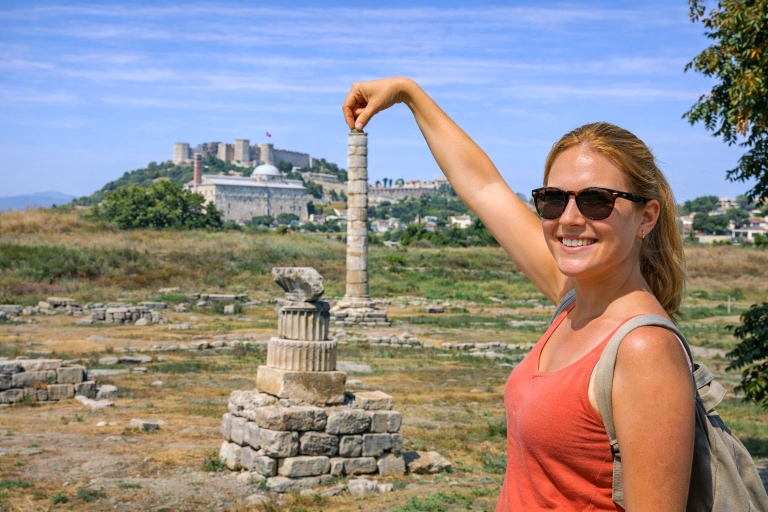
Pamukkale and Aphrodisias Heritage Tour
Join a 1 Night 2 Days Pamukkale and Aphrodisias Heritage Tour from Bodrum by private car. Visit Aphrodisias archaeological site and museum, then explore Pamukkale travertines, Hierapolis and Cleopatra Pool.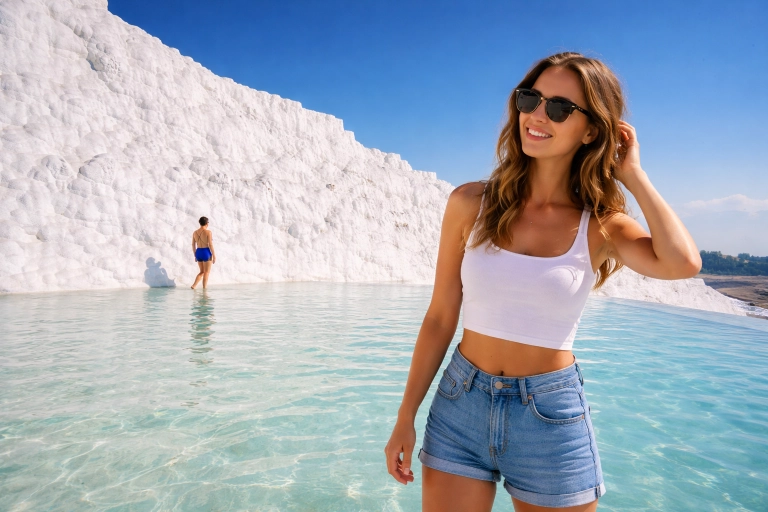
Pamukkale and Ephesus Heritage Tour
Take a 1 Night 2 Days Pamukkale and Ephesus Heritage Tour from Bodrum by private car. Visit Pamukkale white travertines, Hierapolis, Cleopatra Pool, Ephesus Ancient City, House of Virgin Mary and Temple of Artemis.
Cappadocia Private Discovery Tour
Take a 1 Night 2 Days Cappadocia Private Discovery Tour from Alanya by private car. Visit Devrent Valley, Pasabag, Avanos, Goreme Open Air Museum, Uchisar, Red-Rose Valley, Kaymakli Underground City and Ortahisar Castle.


